A doctor was murdered in South Korea. 8 years on, ‘nothing has changed’
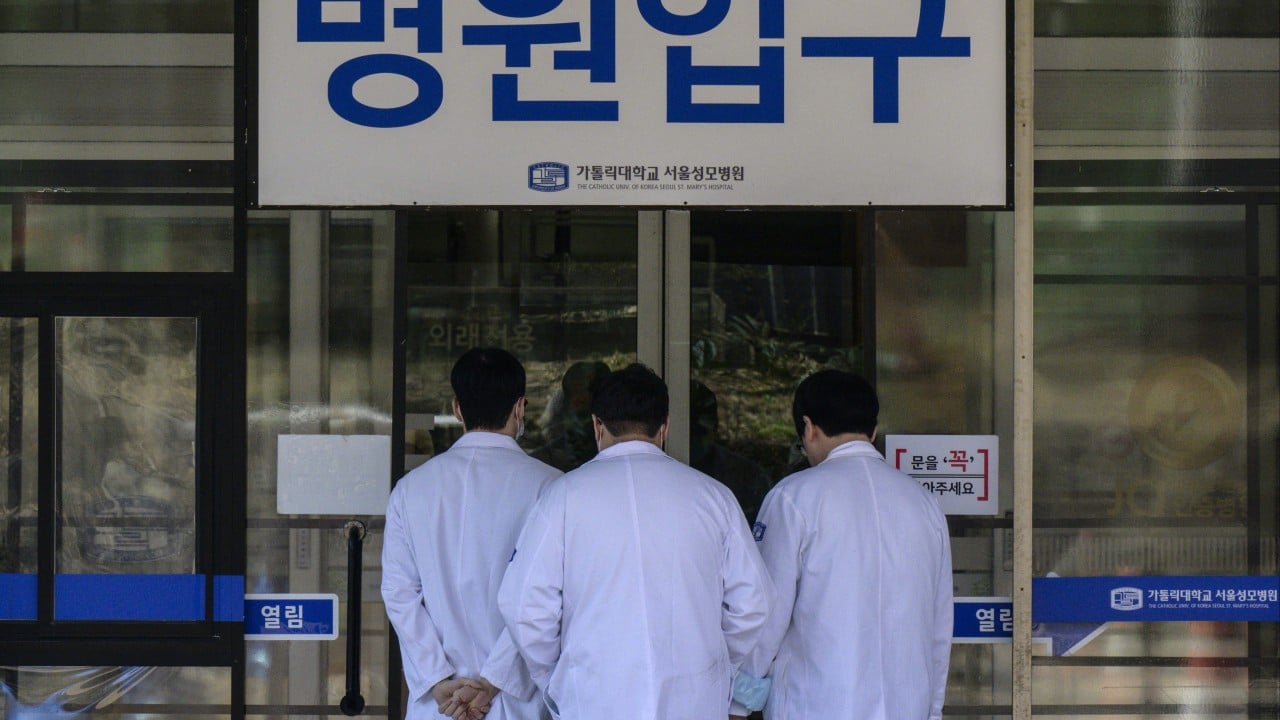
Nearly eight years after a psychiatrist’s murder prompted South Korea to pass a new law that increased penalties for assaulting medical staff, another attack this month has doctors asking why the country’s hospitals are still unsafe.
The attack at Severance Hospital in Seoul last Wednesday left the victim, a psychiatry professor surnamed Kang, with a severe hand injury that required surgery and cuts to his face and head.
South Korea’s leading medical bodies have called for urgent new security measures inside hospitals in the wake of the incident, arguing that the current legal regime has failed to prevent violence against staff.
“The public can fully exercise its right to receive treatment only when the safety of medical staff is protected,” a representative from the Korean Medical Association (KMA) told a briefing on Thursday, according to sources cited by the Seoul Economic Daily.
“The government and the National Assembly must move beyond stopgap responses centred on after-the-fact punishment.”
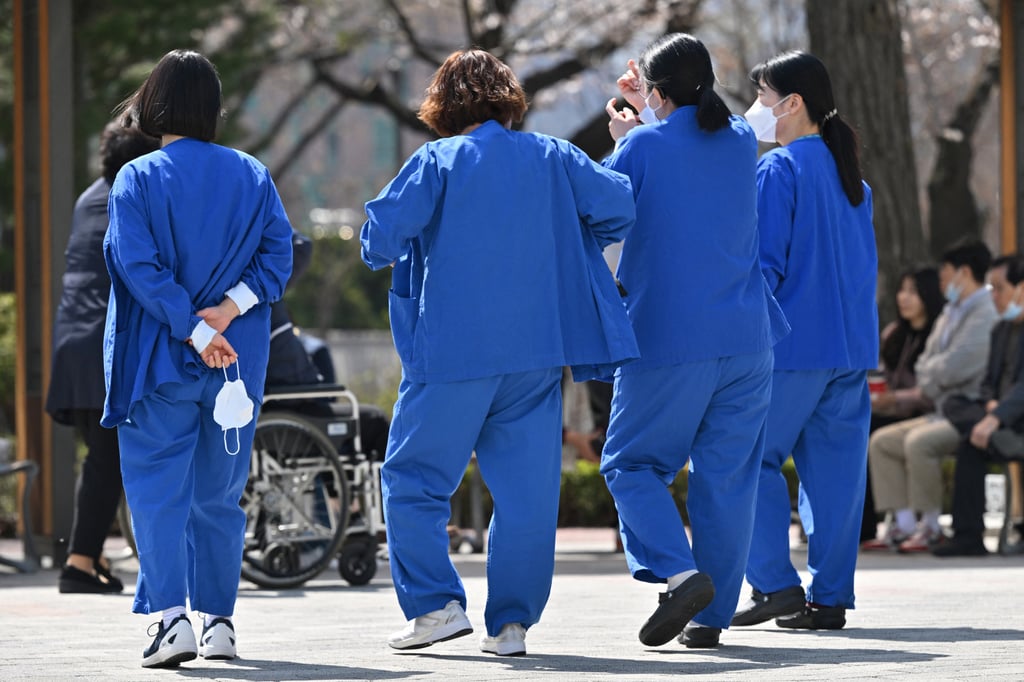
The Korean Interns and Residents Association, the Korean Hospital Association and the Seoul Medical Association also issued statements calling for safer medical settings, according to the same newspaper.
The woman arrested in connection with last week’s attack, identified only as A, allegedly brought the kitchen knife she used into the hospital in a shopping bag.
A warrant to formally arrest her on suspicion of attempted murder was issued by the Seoul Western District Court on Saturday, Yonhap news agency reported.
Police had initially arrested her at the scene of the crime on charges of aggravated injury, the Seoul Economic Daily reported.
Sources told Yonhap that the woman, who is in her fifties, was not a patient waiting for psychiatric treatment. The agency reported that she “rambled” to journalists outside the court, accusing the hospital of failing to provide treatment in 2018 and causing her diabetes.
The KMA told local media that the woman’s specific condition had not been confirmed.
‘Nothing has changed’
Police statistics cited by the Maeil Business newspaper show there were 9,061 violent crimes in South Korean medical institutions over the past five years, of which 5,897 were assaults.
The number of annual assaults rose last year, to around 1,200, after holding steady at around 1,100 a year since 2021.
One day after the Severance Hospital attack, Maeil Business reported that a man in his sixties wielded a weapon and threatened doctors and nurses at a clinic in Gapyeong county, Gyeonggi province.
The Lim Se-won Act, which introduced stiffer penalties for assaults on medical staff, followed the 2018 killing of Lim, a professor at Gangbuk Samsung Hospital, by a patient during a consultation.
“Years have passed since the Lim Se-won Act was implemented, but nothing has changed in essence,” Choi Joon-ho, chairman of the Korea Neuropsychiatric Association, told Maeil Business. “Recent events prove that the Lim Se-won Act is ineffective.”
Call for metal detectors
Rules in force since 2020 require psychiatric institutions and hospitals with 100 or more beds to employ at least one dedicated security staff member and install emergency alarms that notify the police when triggered.
But KMA spokesman Kim Sung-keun told Seoul Economic Daily this was not enough, calling for the designation of high-risk zones and the use of metal detectors to keep out items such as knives.
He warned that repeated attacks would widen “the physical and psychological distance” between doctors and patients.
Maeil Business reported that doctors also want to scrap the rule that prevents assault charges from being brought without the victim’s consent. Medical staff, who must continue treating patients and run the risk of encountering their assailant again, often decline to press charges for fear of retaliation.
Alongside alarms, more guards and the provision of evacuation facilities, Choi told the newspaper that South Korea must consider scrapping this consent rule “to ensure the safety of medical staff”.
Tokyo ambulance attacks
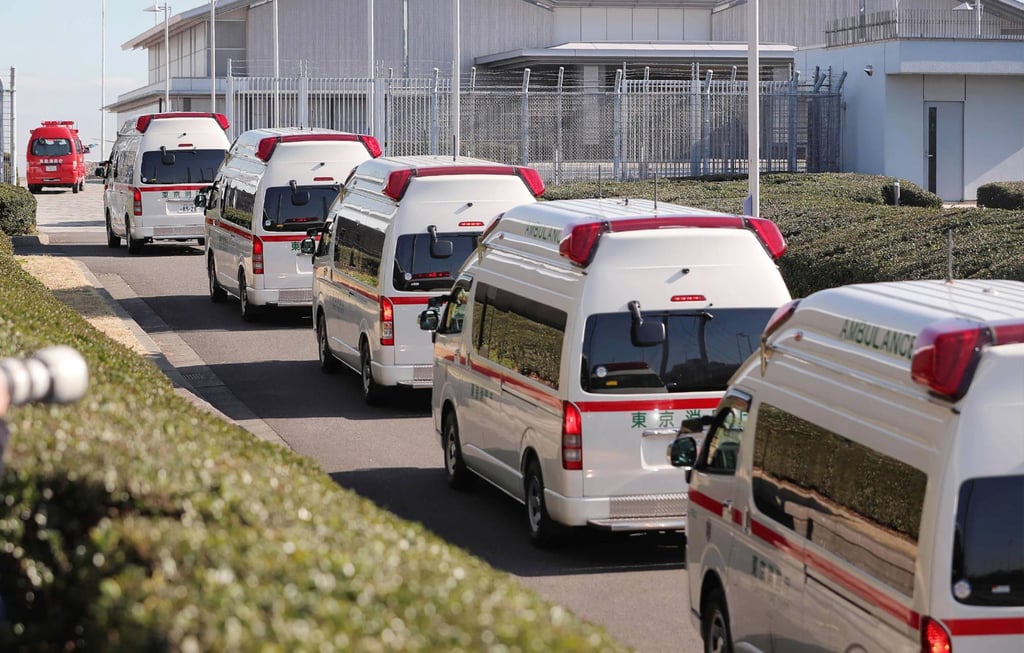
Violence against healthcare workers is not a problem confined to South Korea, either. In neighbouring Japan, Tokyo emergency services recorded 24 cases of violent language or behaviour against ambulance crews in the capital last year, the highest number in five years, according to The Japan Times. Between 2021 and 2024, the annual figure ranged from 20 to 22.
Of last year’s cases, 11 reportedly involved bodily harm to staff and another 11 involved property damage. In two of them, rescue operations were hampered by abusive language.
Another 15 cases were reported in the first five months of this year, the newspaper reported in July.
In one incident this May, a paramedic treating a collapsed man was punched and kicked more than 10 times and threatened with stabbing. A second paramedic who intervened was also attacked. The ambulance crew was out of action for about five hours, with four other teams sent to the site, the newspaper reported.
KioskNews shows a cleaned-up reading view extracted from the publisher’s page — the original always lives on their site, not ours.