The 10 Greatest American Fantasy Movies of All Time, Ranked

William likes watching movies and writing about those movies. Anything else is minutae.
Sign in to your Collider account
Fantasy movies aren’t beholden to any borders. Many of them take place in completely fictional worlds based on an odd assortment of historical, folkloric, and mythological inspirations. Fantasy can come from anyone and anywhere, but in many films, especially those that are high fantasy, there’s a certain inherent antiquity. They take place in worlds that resemble Medieval England, with characters that speak with some semblance of an English accent.
That may be a narrow view of the genre, but it’s prevalent enough that, in 2026, viewers took issue with the actors in The Odyssey using American accents as opposed to English ones. Despite that strange association, many amazing fantasy movies were produced by the good old U.S. of A, and this is a list of the greatest of them. For simplicity, this list will stick to those that are majority American-financed and produced. Based on those criteria, Harry Potter belongs to the Brits, and The Lord of the Rings to the Kiwis, but there are still plenty of great American fantasy films, and these ten are the greatest.
10 'Edward Scissorhands' (1990)
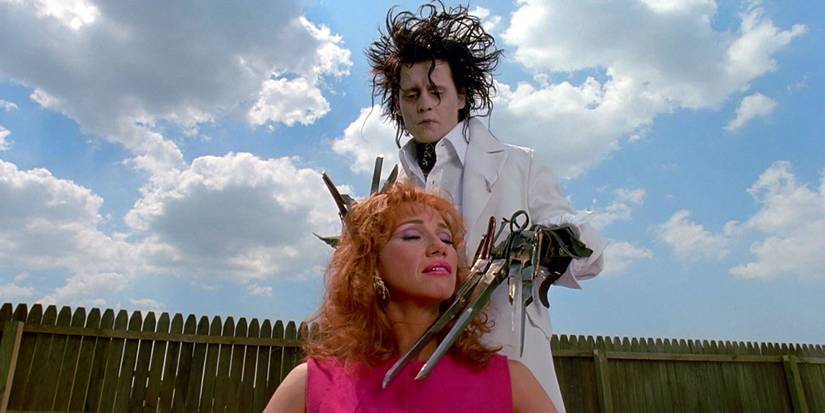
Gothic fantasy comes to the suburbs in Tim Burton's romantic fantasy Edward Scissorhands, arguably his most personal effort that cemented his unique style as a filmmaker. The film is a wonderful modern American fairy tale that could have only come from the mind of Burton. Johnny Depp plays Edward, an artificial man built by an inventor (Vincent Price in his final film role), who is brought out of his castle home and into the brightly colored suburbs by a kindly Avon lady played by Dianne Wiest. Naturally, some of the suburbanites turn out to be far more monstrous on the inside than Edward outwardly appears.
Like much of Burton's filmography, Edward Scissorhands appeals to those who feel like outsiders. While his aesthetics may have been co-opted by mainstream brands like Hot Topic and, ironically, mass-produced for merchandising, Burton's legacy as an original voice of American cinema is assured by films like Edward Scissorhands.
9 'Coraline' (2009)
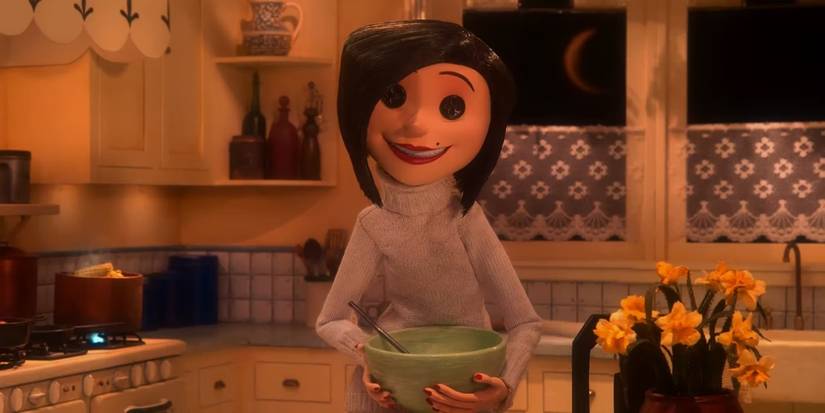
Burton's work in fantasy also expanded beyond live-action into the world of stop-motion animation. The unique medium lends itself to the genre, but the film most famously associated with it that bears Burton's name, The Nightmare Before Christmas, wasn't actually directed by him. It was the work of famed animator Henry Selick, who also gifted audiences with the whimsical stop-motion movies James and the Giant Peach, Wendell & Wild and his greatest masterpiece, Coraline, a vivid fantasy film filled with dark delights for children and adults.
The film follows the titular pre-teen (Dakota Fanning), who moves to a new home in rainy, grey Oregon with her parents, where she discovers a portal to an alternate universe. Her Other Mother (Teri Hatcher) seems perfect on the outside, but there's more than meets the button eye. With incredible animation and design, the world of Coraline is both beautiful and unnerving, taking full advantage of the benefits of stop-motion and its inherent creepiness. Selick's triumphant return to the medium was also the first film produced by animation studio Laika, who have continued the tradition with its own pantheon of fantastic fantasy movies.
8 'Where the Wild Things Are' (2009)

As singular an American filmmaker as both Burton and Selick, Spike Jonze has brought a grounded naturalism to his films, be they a sci-fi romance like Her, a surrealist comedy like Being John Malkovich, or his overlooked fantasy adaptation Where the Wild Things Are. In bringing Maurice Sendak's classic children's book to the screen, Jonze expanded it into a meandering journey of self-discovery and emotional maturity. Despite receiving the most mixed reviews of Jonze's career, it's a deeply moving movie that's unlike almost any other kid's movie.
The film maintains the same basic narrative of the short book, following hellion Max (Max Records) as he journeys into a fantasy world populated by the titular Wild Things. It's a stunningly realized world, grounded in majestic Australian location filming and impressive creature effects which combine suits created by Jim Henson's Creature Shop with expressive CGI. Where the Wild Things Are is a more deliberately paced fantasy film that demands deeper engagement but rewards it with pure inspiration and imagination.
7 'Groundhog Day' (1993)

Time loops are usually the result of some kind of sci-fi trickery, but there's no such justification given for the loop experienced by Bill Murray in the romantic fable Groundhog Day. This comedy classic, directed by Harold Ramis, isn't interested in the mechanics behind the repeated day, but the effect it has on one cynical man and how it inspires him to be better. While it wasn't the first film to use a time loop as a plot device, Groundhog Day has become so synonymous with the concept that it's often used as a shorthand description of repeating the same events over and over again.
Murray's Phil Connors is one of the many sardonic protagonists the comedic actor became known for playing. His outlook isn't helped when he finds himself repeating the titular day in the small town of Punxsutawney, Pennsylvania. The premise lends itself to all sorts of potential, and Murray and Ramis leave no comedic stone unturned, but it's when the film begins to explore the deeper emotional turmoil of the time loop that it gets interesting. Phil's arc, from cold-hearted cynic to a genuinely empathetic human being, is more effective through repetition, and Murray gives one of his most nuanced performances in the role.
6 'The Princess Bride' (1987)
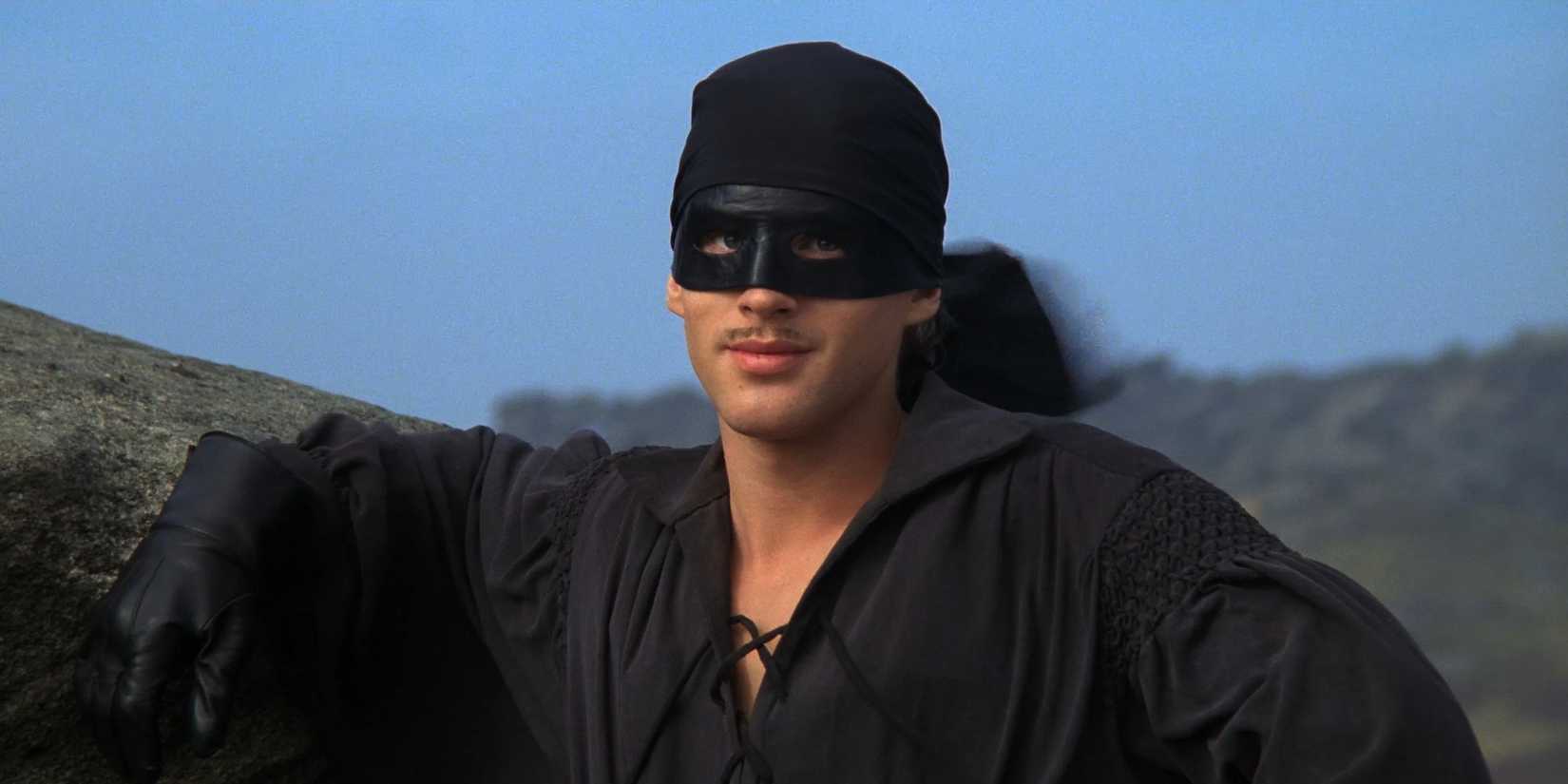
For as much of a cult favorite turned canonized classic as Groundhog Day was, it can't compete with the ultimate cult fantasy film, The Princess Bride. Eternally quotable and practically universally beloved, it's inspired the kind of admiration that can often inspire a frenzied backlash. Certainly, there are some contrarians to it, but the overwhelming joy that Rob Reiner's film brings has conquered even the most hardened cynics. It's got everything: fences, fighting, torture, revenge, giants, monsters, chases, escapes, true love and miracles.
The first miracle of the film is its pitch-perfect casting. Cary Elwes and Robin Wright make for adorable star-crossed lovers Wesley and Buttercup, while Mandy Patinkin is the most charming rogue out for revenge, Inigo Montoya, alongside André the Giant's soft-hearted Fezzik and Wallace Shawn's loquacious Sicilian Vizzini. The second miracle is the tone management of William Goldman's screenplay, which balances ironic humor with genuine emotion. The final miracle is Reiner's direction, walking a fine line between whimsical and parodical that makes the film the perfect evolution of the classic fantasy adventure formula.
Collider Exclusive · 8 Questions · 2 Minutes Which Iconic Romance Is Your Favorite? Harry & Sally · Love & Basketball · Heated Rivalry · Titanic
Four great love stories, and four completely different ideas of what love actually is. One is a friendship that took twelve years to admit itself. One is two people who refuse to stop competing. One happens entirely behind closed doors. And one lasts five days and never stops mattering. Eight questions decide which one is really yours.
🍂Harry & Sally(1989)
🏀Love & Basketball(2000)
🏒Heated Rivalry(HBO Max)
🚢Titanic(1997)
01
How does your love story start? The first scene tells you what kind of story this is going to be.
02
What do the two of you keep arguing about? Every great romance has one fight it has over and over.
03
How do you show somebody that you love them? Grand gestures are easy to write. This is the harder question.
04
What is actually standing in the way? There is always something. Which something tells you the genre.
05
Which romantic moment gets you every single time? Be honest. There is one that works on you and you know which.
06
What would you actually risk for the right person? Every romance asks this. Most people find out far too late.
07
Where are the two of you in ten years? Some love stories are about the meeting. Some are about the staying.
08
Which of these sounds most like something you would say? Eight questions in, this is the one that decides your romance.
Roll The Credits Your Romance Is…
Four love stories, four completely different ideas of what it means to be somebody's person. This is the one that matches how you actually fall, and what it would ask of you.
Harry & Sally
You do not fall for strangers. You fall for the person you have already been talking to for years, which is the slowest and by some distance the most durable way anybody has found to do this.
- When Harry Met Sally made the case that the best romance is an argument you enjoy, conducted over a decade, by two people refusing to admit what is happening.
- You want to be known rather than swept away. Somebody who remembers your worst story is doing better work than anybody arriving with flowers.
- The film is unusually honest about timing. These two are wrong for each other repeatedly until suddenly they are not, and neither of them engineered it.
- You would still be talking about everything at eighty. That is the entire promise.
Love & Basketball
You want a partner, not an audience. Somebody who wants their own life as badly as you want yours, and who would never ask you to be smaller to make the relationship easier.
- This is the rare romance where both people have a real career and the film takes both of them equally seriously.
- You would rather be pushed than protected. The right person for you is also a bit of a rival, and that never entirely goes away.
- It understands the actual problem in ambitious relationships. Not whether you love each other, but whose turn it is this year.
- You would still be competing at forty. That is how you would know it was working.
Heated Rivalry
The intensity was never the problem. The secrecy is. You are drawn to a love that lives entirely in private, and to the particular ache of wanting somebody you are not supposed to want.
- Heated Rivalry runs on the oldest engine in romance: two people on opposite sides, meeting in secret, getting far more attached than either of them planned.
- You keep your private life genuinely private, and something in you finds hidden things more real than public ones.
- The tension is not only between the two of them. It is between what they have and what it would cost either one to say it out loud.
- Years of this, and the whole story is really about whether either of them will finally stop hiding.
Titanic
You do not do this cautiously. When it happens for you it is immediate and total and it rearranges everything, and you would not accept a smaller version of it.
- Titanic gave us the biggest romance in film history and then made it last about five days, which is precisely the point of it.
- You measure love by intensity rather than duration. A few days of the real thing beats decades of something merely comfortable.
- The film is not only about the romance. It is about a woman who went on to live an enormous life afterwards because of it.
- You would still be telling this story at a hundred years old, and telling it exactly the same way.
5 'Who Framed Roger Rabbit' (1988)
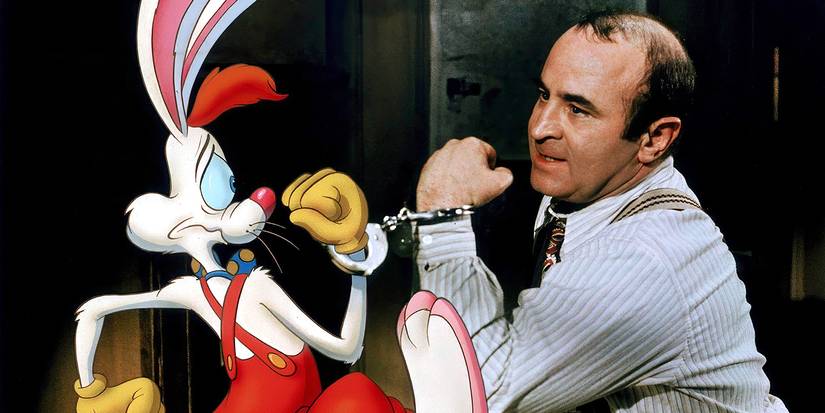
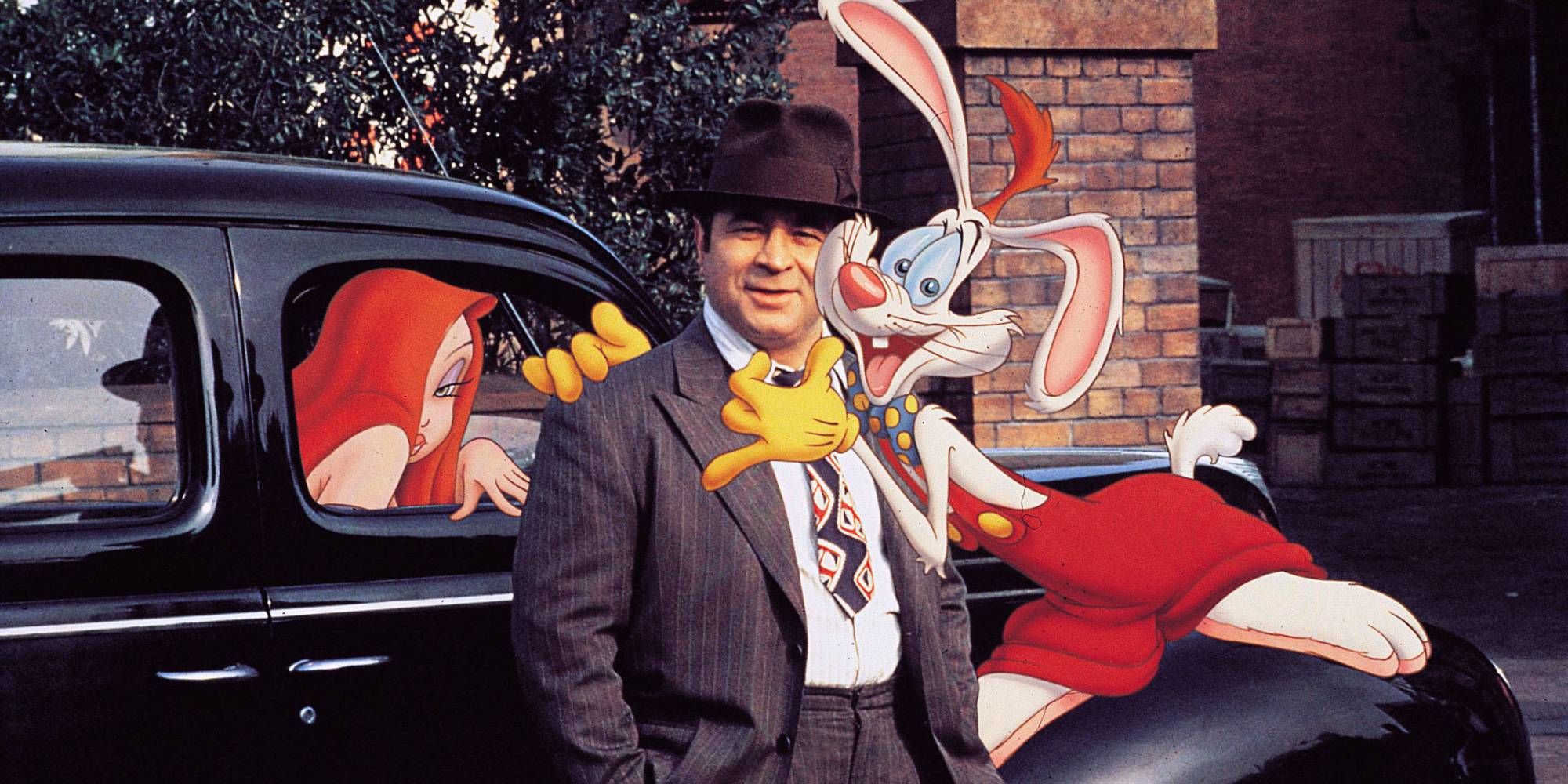
Speaking of miracles, Robert Zemeckis' cartoon noir slapstick fantasy Who Framed Roger Rabbit could have only been made at the exact time it was and by the exact creators behind it. While corporate consolidation has made it easier for some modern movies to bring different fictional characters together in a single film, it's usually just a calculated act of franchise synergy. The act of bringing animated characters from the worlds of Looney Tunes and Disney together for this film was an act of creative passion, and was only accomplished through the sheer producing power of Steven Spielberg.
Zemeckis was the perfect director for such a technically precise film, aided tremendously by animation director Richard Williams. Equally important is the committed lead performance by Bob Hoskins as private eye Eddie Valiant, who gets mixed up in a toon-based conspiracy of greed, sex, and murder. Hoskins plays the role with a hard-boiled authenticity that makes the fantasy of the cartoon characters he interacts with all the more fantastic. Who Framed Roger Rabbit is a classic Hollywood fantasy made by some of the most talented filmmakers of '80s cinema.
4 'It's a Wonderful Life' (1946)

There have been many Christmas miracles featured in classic American movies—some on 34th Street, others in Whoville, and in more Hallmark movies than there may have been actual Christmases. The greatest Christmas miracle comes in the form of an angel sent to save the soul of one hopeless man named George Bailey, in Frank Capra's classic It's a Wonderful Life. Only becoming beloved after years of perennial airings on television during the holiday season, it captures the kind of hope and magic that only a filmmaker like Capra, working with a leading man like James Stewart, could make feel genuine.
Stewart imbues Bailey with a selflessness and generosity that many actors, both of the same era and now, would have difficulty making feel authentic without tipping into pitiable naivety. It's that balance that makes Bailey a paragon of his hometown, Bedford Falls, and what makes his depressive spiral into contemplation of suicide so effective. When he's saved by the angel Clarence (Henry Travers) and shown the impact he's had on everyone in the town, it's easy to believe because of how effortlessly Capra and Stewart sell it. It's a Wonderful Life is an aspirational American fantasy classic.
3 'Pinocchio' (1940)
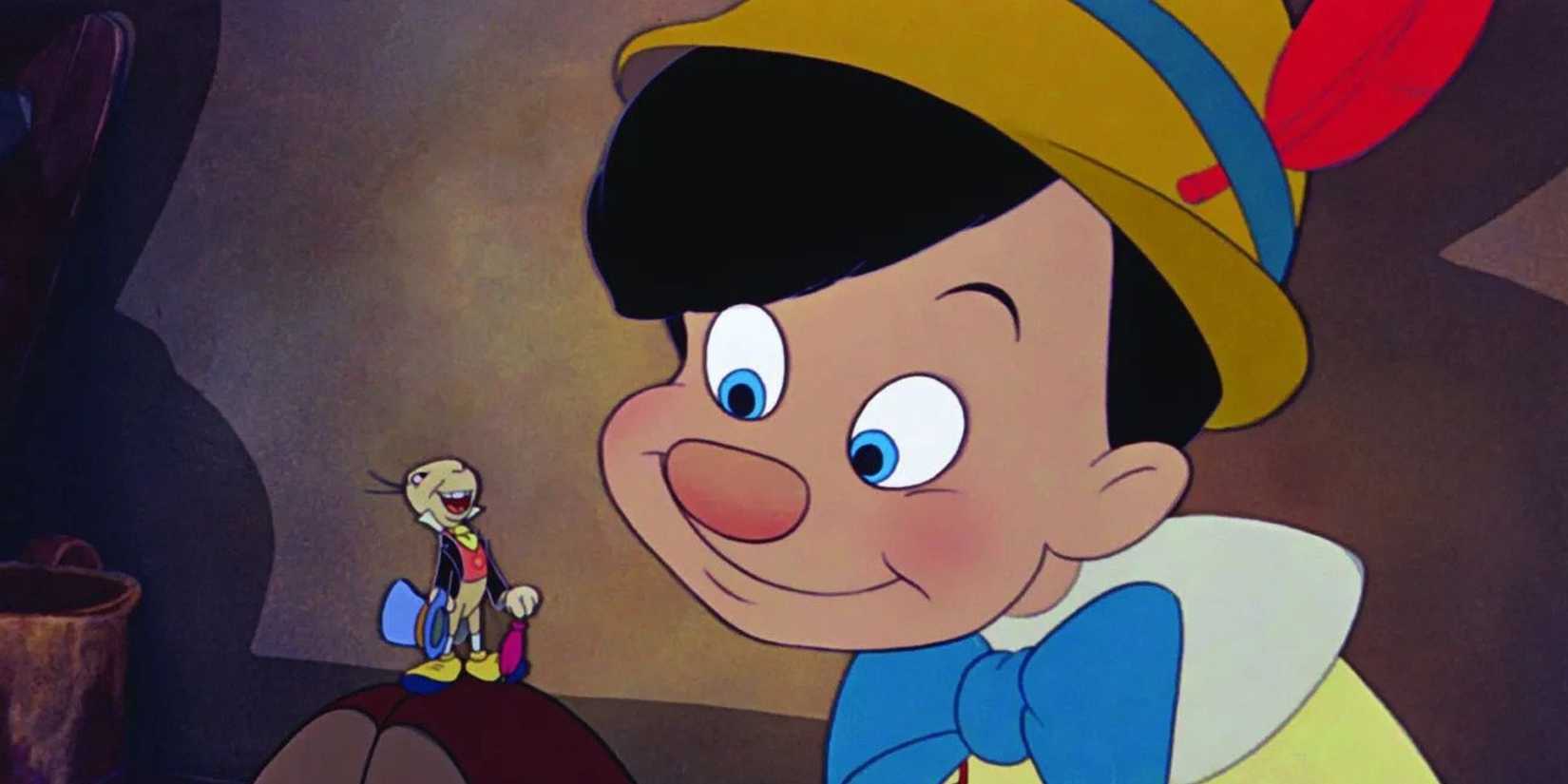
There's no discussing American fantasy films without bringing Disney into the discussion. For all the many faults of the company, it's built on a solid foundation of classic storytelling and magical movie-making. Of the many fairy tales that it completely changed the cultural perception of, Pinocchio reigns supreme. Only the second feature film produced under the Disney banner, it's become a pillar of American animation and the fantasy genre, inspiring hundreds of filmmakers and providing the foundation for every film version of the classic story that's come since.
Carlo Collodi's The Adventures of Pinocchio provided the basic framework for the Disney directors and animators who brought the film to life. The rest is classic Disneyfication, turning the rude wooden boy of the book into a precocious hero and his talking cricket into his singing conscience. Ambitious, charming, and a little bit terrifying, Pinocchio is a classic fantasy for old and young alike, and it's aged perfectly. The songs are classics, the animation is still astounding, and the fantasy still inspires wonder.
2 'Star Wars: Episode V - The Empire Strikes Back' (1980)
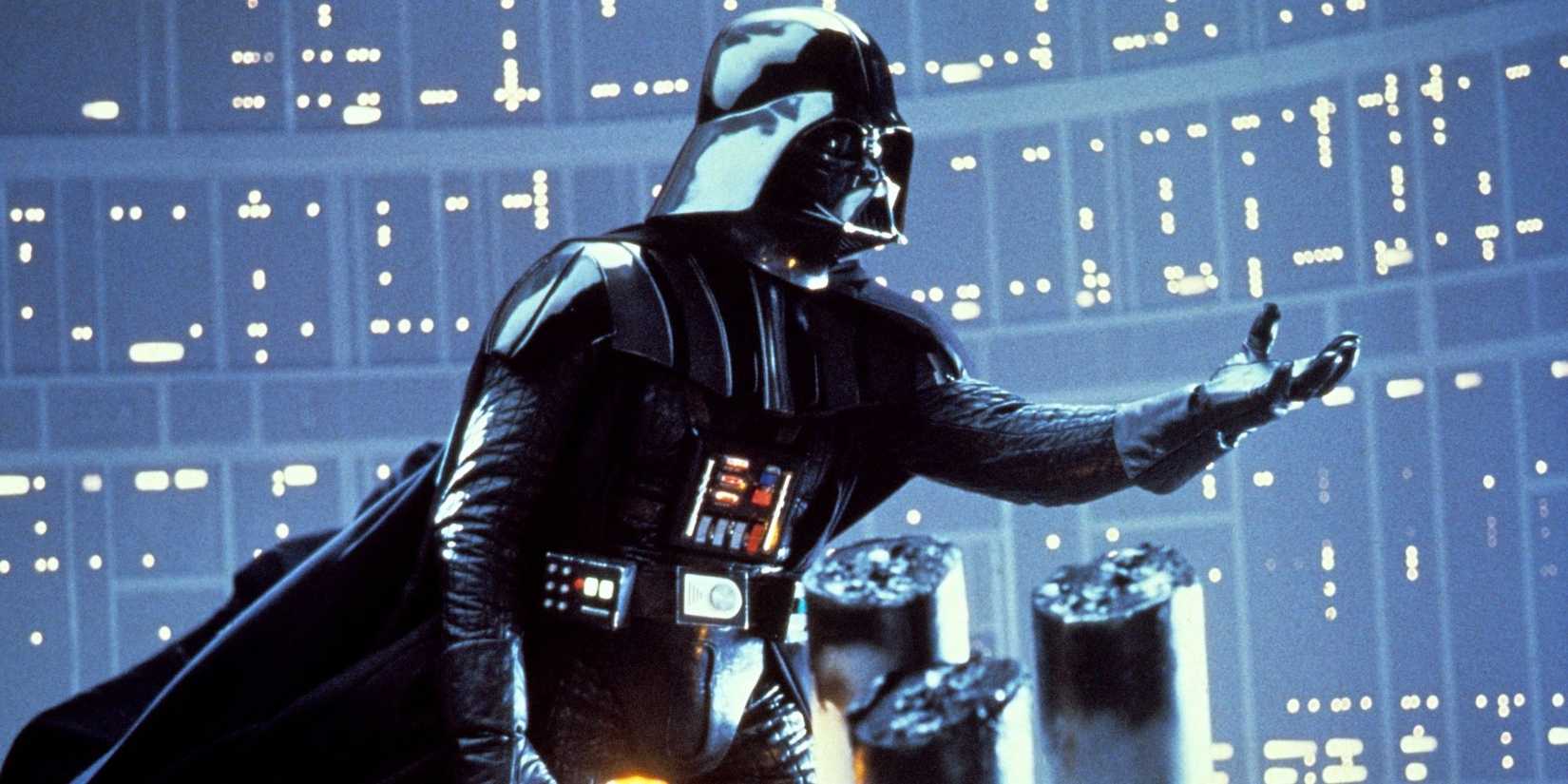
Not all American fantasies take place on our planet: some are set in a galaxy far, far away. George Lucas' original trilogy of space fantasies changed the cinematic landscape forever, ushering in an era of franchise filmmaking that has continued to evolve and dominate the box office. Beyond that blockbuster success, the films are also the best kind of fantasy storytelling, creating an entirely new world that feels lived-in and wholly unique. Every chapter has something to offer, but part five, The Empire Strikes Back, is the greatest American space fantasy of all time.
With Irvin Kirschner taking over as director from Lucas, the performances are all more natural, while the effects and action are bigger and better. From the opening battles on icy Hoth, to Luke training with Yoda on Dagobah, to Han and Leia lying low in Cloud City, The Empire Strikes Back is one iconic setting after another, adding to the larger universe. It's the darker elements, the more personal stakes, that really make this sequel one of the best. It's a far-flung fantasy that set a bar no Star Wars film has been able to clear since.
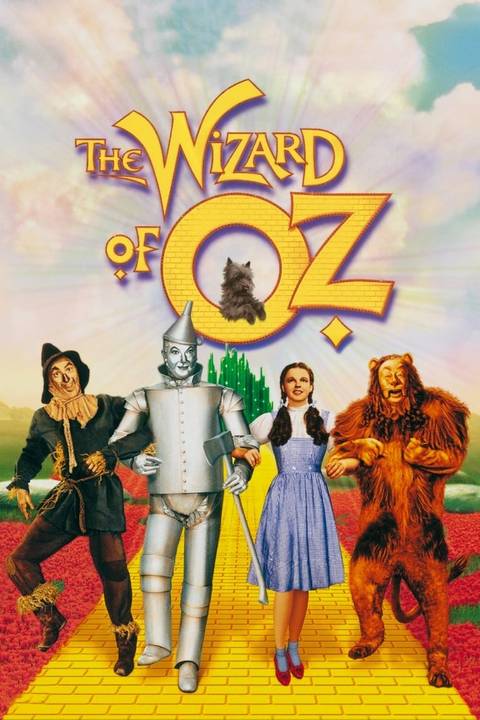
1 'The Wizard of Oz' (1939)
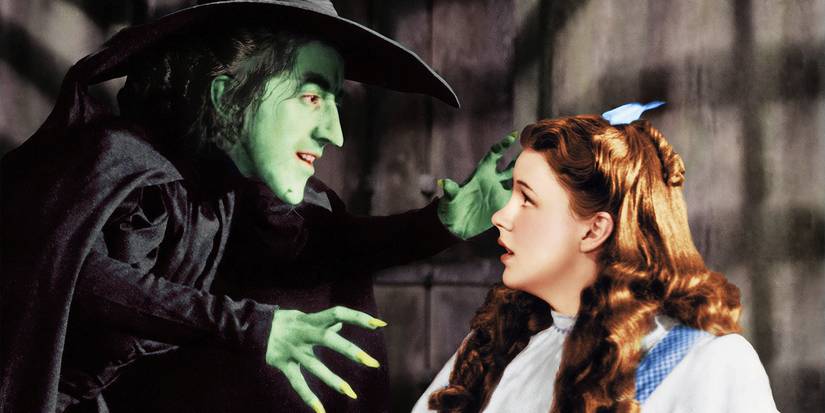
The greatest fantasy adventure of all time in the land of Oz also just happened to come from the land of the U.S.A. The Wizard of Oz is paramount to American fantasy cinema, setting many of the storytelling techniques and visual techniques that would become standards in the genre. The transition from black-and-white Kansas into the Technicolor land of Oz is so iconic that it essentially became the official moment that movies went to color, even if it wasn't.
That iconic status extends down through every aspect of the film's production, from its makeup and costume design to its Oscar-winning score and songs. It's the greatest American fantasy film ever made. Judy Garland, who endured well-documented abuse on set, is inimitable as Dorothy, the Kansas farm girl who gets sent spinning into the land of Oz by way of tornado and finds herself on a journey down the yellow brick road to meet the titular Wizard, joined by the Scarecrow, the Tin Man, and the Cowardly Lion. The setting and characters as depicted here may differ from their counterparts in the novel The Wonderful Wizard of Oz by L. Frank Baum, but they've become the standard representations by which all others are judged.
The Wizard of Oz
- Release Date
- August 25, 1939
- Cast
- Judy Garland, Ray Bolger, Jack Haley, Bert Lahr, Frank Morgan, Margaret Hamilton, Billie Burke, Charley Grapewin, Pat Walshe, Clara Blandick, Terry, Adriana Caselotti, Harry Earles, Jerry Maren, Buddy Ebsen, Parnell St. Aubin, Billy Bletcher, Pinto Colvig, Charles Becker, Mitchell Lewis, Buster Brodie, Ethelreda Leopold, Billy Curtis, Eleanor Keaton, Angelo Rossitto
- Runtime
- 102 minutes
- Director
- Victor Fleming
- Writers
- Edgar Allan Woolf, Florence Ryerson, Noel Langley, L. Frank Baum
KioskNews shows a cleaned-up reading view extracted from the publisher’s page — the original always lives on their site, not ours.