Ryanair considers pay freezes and reducing crew on flights as fuel costs soar
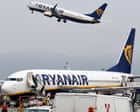
Ryanair is considering cost-cutting measures including pay freezes, reducing crew numbers on flights and increasing the use of AI to offset soaring fuel costs driven by the Middle East conflict.
Europe’s largest low-cost carrier said it expects European airlines to raise their ticket prices by as much as 20%, as it anticipates its jet fuel costs will increase by about €2bn (£1.6bn) in its next financial year, which ends in March 2028.
“Unless there is a swift resolution of the Middle East conflict we expect jet fuel prices to remain elevated well into 2027,” said Michael O’Leary, the chief executive of Ryanair. “While we believe European short-haul fares will increase materially to reflect these much higher jet-fuel prices and competitor capacity reductions, this is unlikely to provide a full offset for an estimated €2bn increase in our fuel bill.”
Oil prices hit a six-month high on Friday before falling to about $110 a barrel on Monday.
Ryanair expects European short-haul fares to “increase materially” next year, as fuel hedging deals taken out by airlines to reduce costs expire.
“To help address this, we’re reviewing all costs across group airlines with a particular focus on airport churn negotiations, maturing labour agreements (which may require temporary pay freezes), lower crew ratios and increased use of AI,” O’Leary said.
The company said its increased use of AI would focus on improving productivity in operations and back-office and support functions.
Ryanair said 80% of its fuel requirements until the end of March were hedged at $67 a barrel. The company’s fuel requirements for the subsequent 12 months are 25% hedged at $95 a barrel.
The Irish airline, Europe’s largest by passenger numbers, said average fares fell by 2% year on year in the quarter ending in September. Ryanair added that fares in the final three months of the year were trending “modestly ahead” of the same quarter last year.
after newsletter promotion
“The booking window remains closer-in which reduces visibility,” the company said.“[The current quarter’s] fare outcome will heavily depend on the strength of close-in October-November school midterm [holiday] and Christmas bookings.”
The airline reported a post-tax profit of €1.61bn in the quarter ending inSeptember, a fall of 6% year on year but in line with analyst expectations. Passenger numbers grew 5% year on year to 64.5 million during the quarter.
KioskNews shows a cleaned-up reading view extracted from the publisher’s page — the original always lives on their site, not ours.