You know the launch market is tough when satellite companies start building rockets
Let’s start with a little history. SpaceX became the first purely commercial launch startup to announce plans to build a new medium-lift rocket about two decades ago, in 2005. The company holds the record for the fastest time to orbit with the Falcon 9 vehicle, with a development time of 4.7 years.
But SpaceX had some significant advantages. By then, the company had been operating for more than three years, had extensive experience with the Merlin engine, and was less than a year away from its first launch of the smaller Falcon 1 rocket. In retrospect, it’s also clear that the company had an insanely talented team of engineers. Finally, the Falcon 9 was quite a bit smaller than the recently announced vehicles, Blacklift and Big Iron. In its initial form, Falcon 9 had a lift capacity of about 10 tons.
What about other companies? Since 2015, a number of other US companies—United Launch Alliance (Vulcan), Rocket Lab (Neutron), Relativity Space (Terran R), Firefly/Northrop Grumman (Eclipse), and Stoke Space (Nova) have announced medium to heavy lift vehicles, ranging in payload capacity from about 7 to 27 metric tons (Blue Origin’s New Glenn is much larger than any of these).
Of these, only Vulcan has reached orbit. It took 8.7 years, with an incredibly experienced launch team behind the vehicle and about $2 billion in aggregate federal support across its suppliers.
Broadly speaking, the track records of these existing launch companies suggest that developing a new medium- or heavy-lift rocket takes five to nine years from public announcement to first orbital launch. Moreover, many of these companies either started with smaller rockets or brought other valuable experience to bear.
Yes, they’re getting some engines—at a cost
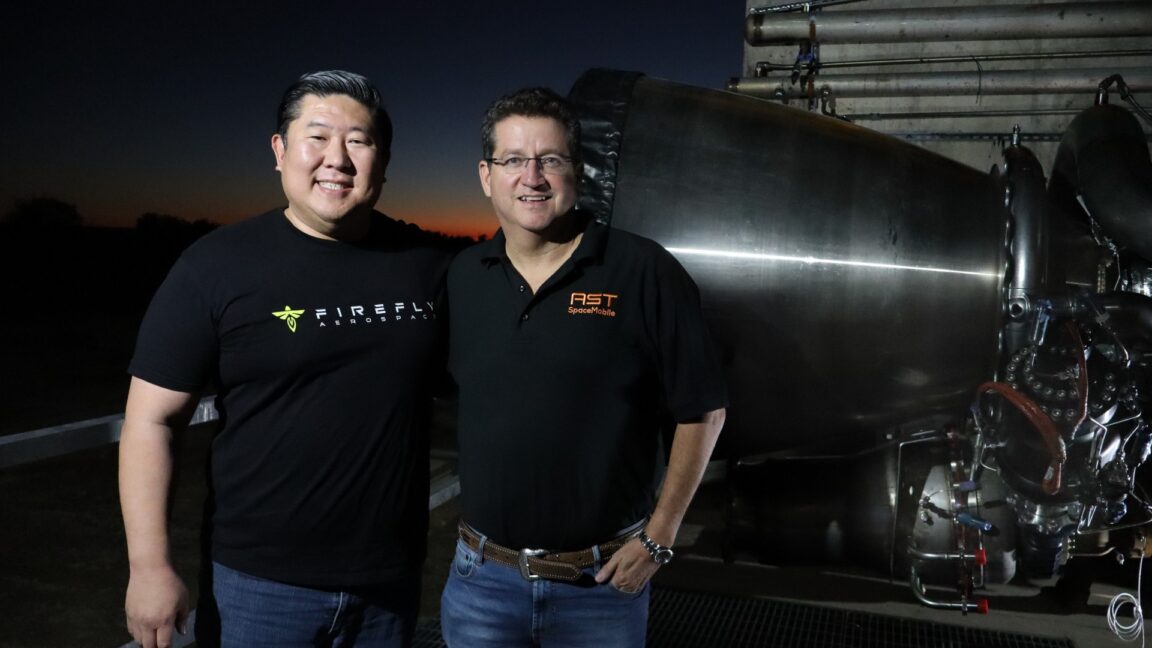
AST SpaceMobile’s counterargument is that it won’t be starting from scratch. The company said Friday that it has signed an agreement with Firefly to deliver engines for the first three Blacklift rockets, provide engineering services over a three-year period, and acquire the perpetual license to manufacture the Miranda and vacuum-variant Vira engines from Firefly. Nine Miranda engines will power Blacklift’s first stage.
KioskNews shows a cleaned-up reading view extracted from the publisher’s page — the original always lives on their site, not ours.