Risk Of India Returning To Cash Economy: Retailers' Body On UPI Fee
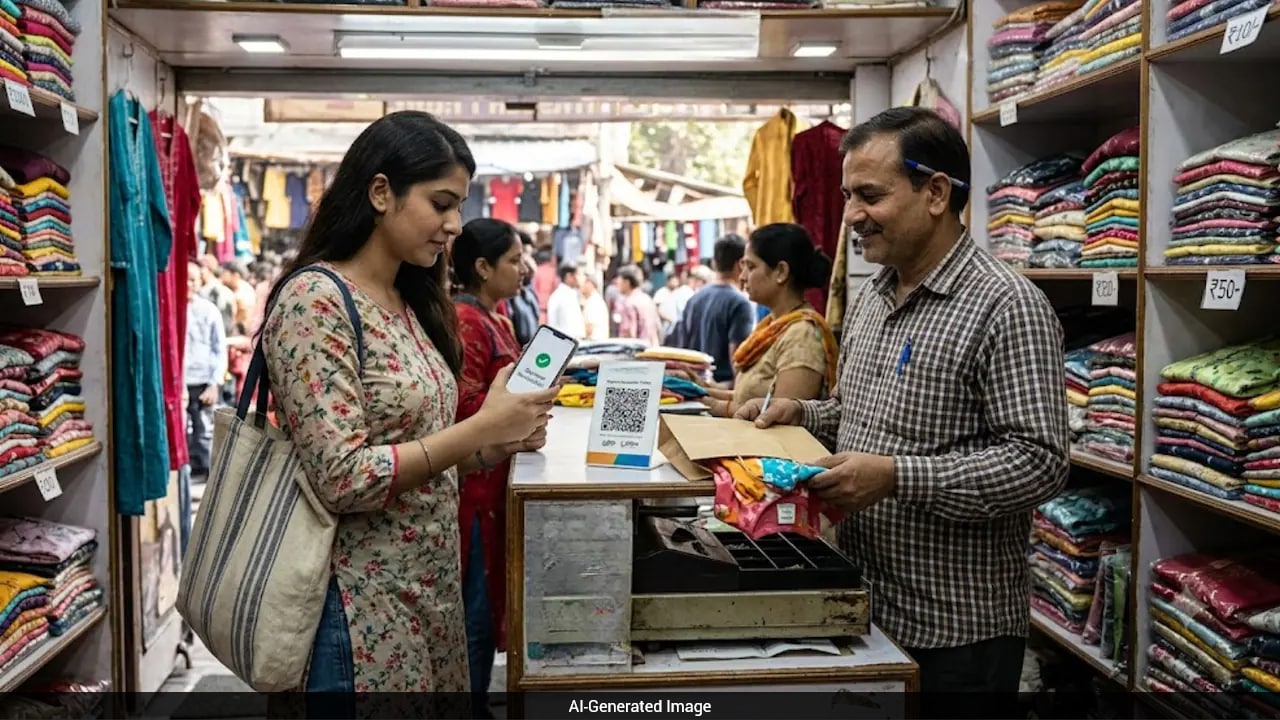
Sounding an alarm over the new charge on some UPI transactions over Rs 2,000, the Retailers Association of India has said that the decision carries the risk of India returning to a cash economy.
"Small merchants will now think twice about whether to accept cash or UPI," Kumar Rajagopalan, the CEO of the association, which represents organised retailers, said on Wednesday.
Rajagopalan pointed out that such merchants often operate on razor-thin margins and even a small charge could affect their openness to accepting UPI payments.
The UPI system had been free for six years, encouraging its speedy adoption, until the National Payments Corporation of India (NPCI) announced on Tuesday that while all transactions will remain free for consumers, some payments over Rs 2,000 will attract a Merchant Discount Rate (MDR). The fee will be 0.4% for consumer-to-merchant transactions over Rs 2,000 (approximately Rs 8 for an amount of Rs 2,001) and a flat rate of Rs 5 for sectors like railways, telecom services, insurance, and fuel.
READ | Fuel Payment, Phone Purchase, Restaurant Bills: UPI Charges Explained
Person-to-person transactions will continue to be free and small merchants - receiving up to Rs 1 lakh a month via UPI QR codes - will pay no charges.
Rajagopalan said the Retailers Association of India (RAI) will take up the matter with the NPCI and the Ministry of Finance and press for a graded structure that separates debit- and credit-linked UPI transactions.
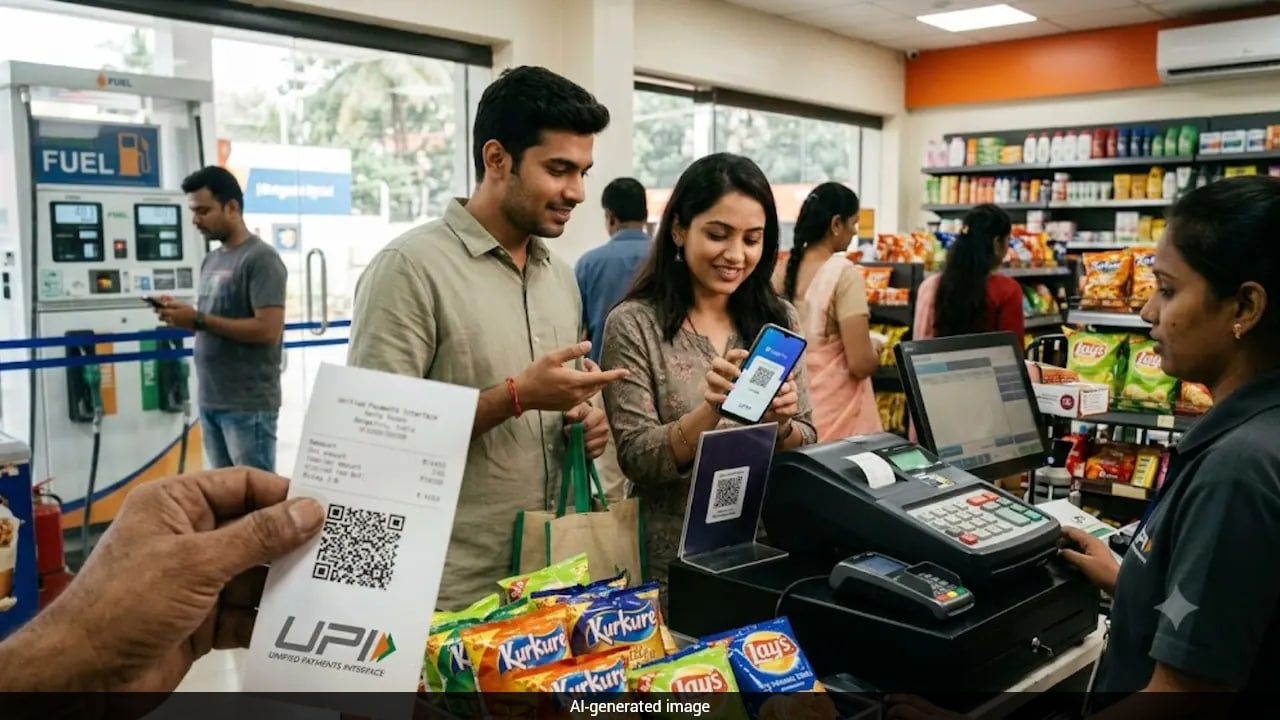
The CEO emphasised that the MDR burden creates an incentive to steer transactions back towards cash. The charge, he said, goes against the government's own formalisation agenda and it should bear the cost of normal UPI transactions.
Santosh Katariya, President of the Clothing Manufacturers Association of India (CMAI), questioned the timing of the decision and pointed out that the new charge will come into effect on October 15, just weeks before Diwali.
"Introducing MDR on UPI at the start of the festive season could not have come at a more challenging time for the industry. This period is critical for merchants, retailers and consumer-facing businesses, many of whom are already working hard to revive demand and improve margins. Adding another cost to digital transactions at this juncture risks putting further pressure on an ecosystem that is still finding its footing. UPI has been a powerful enabler of consumption and formalisation and any move that increases the cost of acceptance needs to be carefully calibrated, particularly during the most important sales period of the year," he said.
READ | UPI Charges From October 15: 10 Things Every User Should Know Before Paying Online
Nitin Gupta, president of the Kamla Nagar Market Association in Delhi, said traders had supported the cashless payments push, but would now switch to cash transactions.
"We were already paying transaction charges and 18 per cent GST. Now if the government charges us on UPI MDR, then we will promote cash. When the government introduced UPI payments, we supported it. Now if we are charged for UPI transactions as well, we will not support it and start promoting cash payments. Why should we pay transaction charges?" he was quoted as saying by news agency PTI.
'4% Of Transactions'
The finance ministry, in a statement, said the MDR will affect only 4% of transactions.
"The new UPI framework introduced has no impact on any person-to-person transactions. UPI will continue to remain completely free for all person-to-person transactions, irrespective of the amount transferred. Payments to merchants up to Rs 2,000, along with transactions covered under the zero-MDR framework for small merchants, will also remain free. Consequently, approximately 96% of all P2M transactions will remain unaffected. MDR will apply only to specified merchant transactions above Rs 2,000," the finance ministry said.
"It is clarified that MDR is neither a tax nor a charge collected by the Government or NPCI. It is distributed among payment ecosystem participants, including banks and payment application providers, to support the operation and continued expansion of the UPI ecosystem," it explained.
Highly placed sources also said on Wednesday that the decision to introduce the MDR was a considered one and was taken five years ago. They emphasised that the move will not be rolled back.
"It was decided five years ago that MDR would be levied once the digital infrastructure was established... The general public will not be affected, and this decision will not be reconsidered," a source said.
Opposition's Attack
The Congress and other Opposition parties termed the UPI charge "anti-people" and pressed for it to be withdrawn.
"'No fees on UPI' has been changed to 'no fees on UPI transactions up to Rs 2,000'. Sky-high inflation has already emptied the common person's pocket. Wholesale inflation is near 10%, and the BJP government has planned to impose a 'Digital Payments Tax' on the public, aiming to destroy whatever little savings they have left," Congress President Mallikarjun Kharge said in a post in Hindi on X on Tuesday.
Leader of the Opposition Rahul Gandhi also hit out at Prime Minister Narendra Modi on Wednesday and accused the government of taking the decision to benefit the US.
Without taking any names, the Finance Ministry rejected the claim and said the decision was taken independently.
— Ministry of Finance (@FinMinIndia) September 16, 2026🔰 UPI Remains Free for Consumers
UPI continues to be free for customers. Sending money to friends, paying at shops, or scanning a QR code — all remain without charges.
Key Facts:
✅ No charges on P2P: Person-to-Person transfers are always free, regardless of amount.
✅ Small… pic.twitter.com/PyQ7hotNMN
"Some claims suggest the change is due to foreign influence. This is false. India's UPI policy decisions are made independently, with the clear goal of building a self-sustaining, inclusive, and affordable digital payments ecosystem," the ministry said in a post on X.
Taking a dig at Gandhi, Union Minister Jyotiraditya Scindia said the Opposition leader sees the "ghost" of the US everywhere.
"Rahulji sees the 'bhoot' of America everywhere. There is no talk of nation-building. Whether within the country or abroad, the focus remains on disparaging the nation. The people of our country have no room in their minds or hearts for negative thinking or negative tendencies. We are moving forward with a positive mindset and ideology," Scindia told news agency ANI.
"Every citizen is working day and night with the sole intention of propelling the country forward. I am not responding to American experts or authorities. I have clearly explained to you and the public the reasons behind this, how we are implementing it and on whom it will apply. There will be no burden on the customer. This charge falls on the merchant, specifically on merchants whose monthly UPI-based payments exceed Rs 1 lakh. As I mentioned, this applies to only 4% of merchants," he added.
KioskNews shows a cleaned-up reading view extracted from the publisher’s page — the original always lives on their site, not ours.