Indonesia's downstreaming target set at US$618 billion by 2040
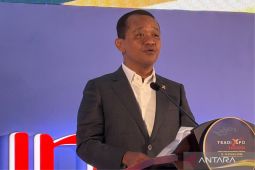
Banten (ANTARA) - Indonesia aims to generate US$618 billion in downstream industry value by 2040 by expanding processing industries across its natural resource sectors, Coordinating Minister for Downstreaming and Energy Transition Bahlil Lahadalia said.
He described downstreaming as a key strategy to accelerate economic growth and increase the added value of Indonesia’s natural resources.
“Our target for Indonesia’s future downstreaming master plan by 2040 is to reach US$618 billion across all sectors,” he said at the opening of the 2026 Trade Expo Indonesia at ICE BSD, Tangerang, Banten, on Wednesday.
The strategy covers minerals and coal, oil and gas, forestry, fisheries, and agriculture, he said.
The roadmap aims to boost growth by developing industries that produce higher-value-added goods.
Lahadalia said Indonesia sought to move beyond exporting raw materials by expanding domestic processing and strengthening links between upstream suppliers and downstream manufacturers.
He cited nickel processing as an example of how downstreaming can increase export earnings.
Indonesia’s nickel export value was about US$3.3 billion in 2017–2018 before rising to US$34 billion in 2023 and more than US$40 billion in 2025, following government efforts to expand domestic processing.
For 2026, the government has set a target of at least US$45 billion in nickel exports.
Lahadalia said downstreaming could also strengthen Indonesia’s economic independence, beyond its contribution to growth.
He added that domestic industrial development required investment in areas such as new and renewable energy, as international markets increasingly favor products made through cleaner, greener processes.
The minister urged investors to seize opportunities in Indonesia to develop industries that generate greater added value.
The government aims to maximize the economic benefits of its natural resources and improve the competitiveness of Indonesian products in international markets through downstreaming.
Related news: Indonesia, Serbia agree to deepen cooperation in trade, food, energy
Related news: Prabowo launches first EV battery export from Indonesia
Translator: Maria Cicilia G P, Resinta Sulistiyandari
Editor: Rahmad Nasution
Copyright © ANTARA 2026
KioskNews shows a cleaned-up reading view extracted from the publisher’s page — the original always lives on their site, not ours.