In age of WhatsApp messages, why LPU other university need security rethink
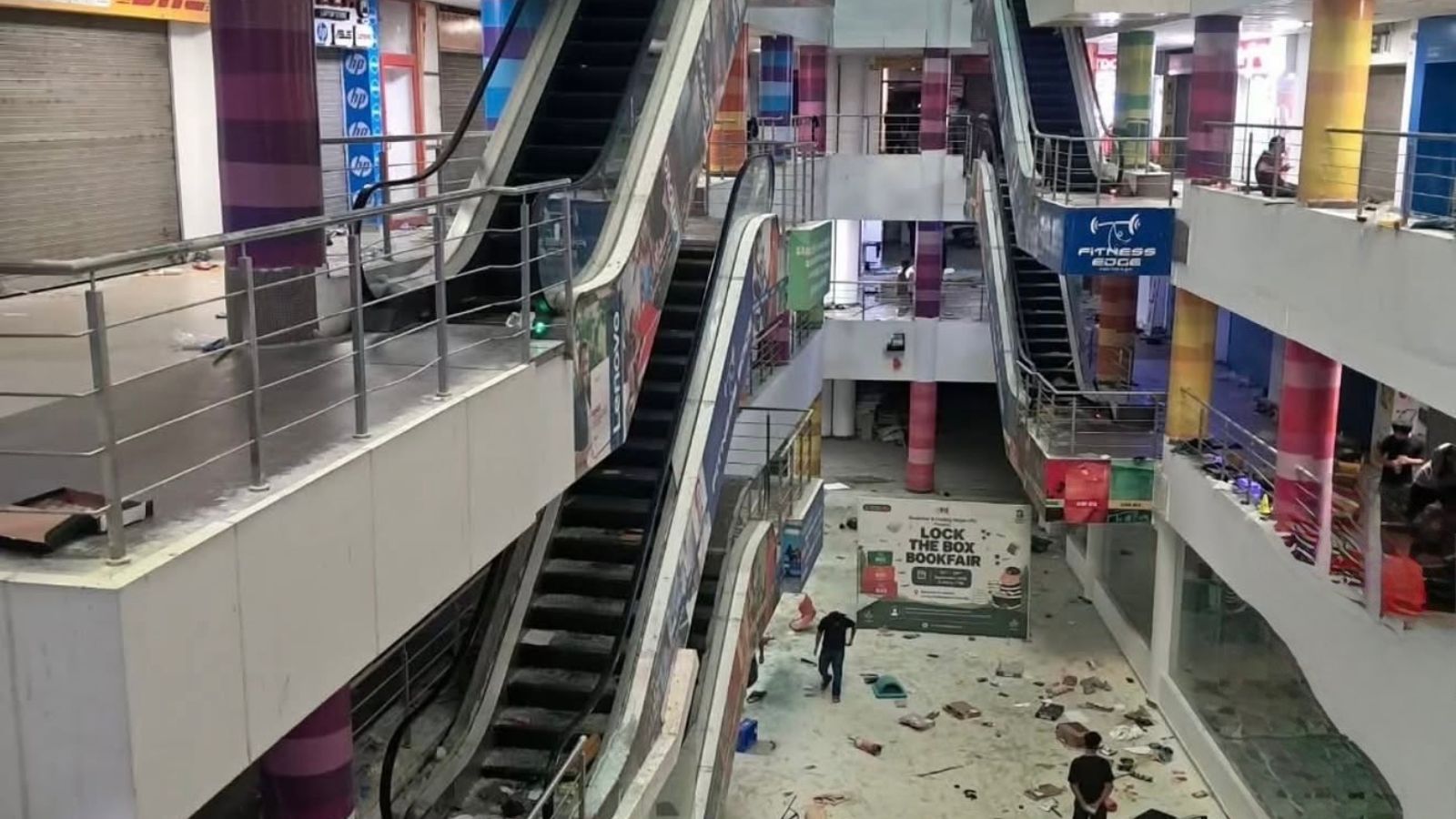
Lovely Professional University describes its security infrastructure in terms more commonly associated with a small township than a university campus: more than 7,400 CCTV cameras, over 200 full-time security officials, turnstile gates, boom barriers, a dedicated fire station and round-the-clock security personnel, including ex-servicemen and specially recruited women guards for girls’ hostels.
The university says its security system combines electronic surveillance, trained personnel and controlled access across its 600-plus-acre campus. Yet after two days of unrest that saw vandalism, vehicles being set on fire, clashes with police and a prolonged blockade of National Highway-44, the university is now reviewing its security arrangements.
The Panjab University, meanwhile, issued an advisory asking students not to believe or share unverified information about incidents on or around the campus. The September 28 advisory asked students to rely on official university communication, verify information before sharing it and report genuine concerns to the appropriate authorities. PU said unverified information circulated through social media and messaging platforms could adversely affect the university’s peaceful and harmonious academic environment.
The timing of the advisory has brought into sharper focus what happened LPU and at Chitkara University in Punjab.
At Chitkara University in Rajpura, hundreds of hostel students gathered on September 25 after social media posts circulated claims that two female students were missing. Police later said they found no evidence of a missing student or suicide.
Less than 27 hours later, students at LPU in Phagwara gathered after a social-media message alleged that a female student had been sexually assaulted by an outsider in a girls’ hostel. The university denied the allegation, while police registered an FIR against an unidentified person and constituted an SIT to investigate it. The protest escalated into property damage, arson, clashes with police and a blockade of National Highway-44.
The two incidents are being investigated separately. But they share same documented feature: claims involving female students and hostel premises spread rapidly among students before the facts could be established, and both incidents subsequently escalated into large gatherings and violence.
Story continues below this ad
It raises a question beyond these two campuses: with thousands of students living and studying together and communicating constantly through social media, should universities be doing more than issuing advisories after an incident?
The Indian Express explains.
Should digital literacy become part of university orientation?
The idea is not entirely new.
The National Council of Educational Research and Training’s Central Institute of Educational Technology (CIET-NCERT) describes media literacy as a key skill in the digital age, including the ability to check sources, compare information with reliable sources and identify misinformation and harmful content. Its social-media safety programme also specifically covers misinformation, responsible sharing, digital citizenship and reporting mechanisms.
For universities, such training could move beyond a general “do not share unverified information” message.
Story continues below this ad
Students could be introduced, during orientation and hostel induction, to a simple protocol for handling serious claims: What constitutes an emergency? Whom should they call? etc.
The purpose would not be to discourage students from reporting concerns.
What should universities put in place when serious claims go viral?
Universities need a clear system for students to report and verify. The universities should give them a quick, trusted route to report issues while universities verify and communicate the facts as fast as possible.
The system could designate a hostel official, administrator, student-affairs officer or emergency response team as the first point of contact. Panjab University’s Cyber Wellness Clinic, inaugurated in March 2025, already provides digital-safety training and support involving cybercrime first responders, lawyers, psychologists and forensic experts.
Story continues below this ad
“A university can have thousands of students living within a relatively concentrated physical space while being connected through dozens of digital groups. A message posted in one hostel or class group can therefore move quickly through other student groups and public platforms. The speed creates a particular problem: verification takes time, while forwarding takes seconds and which is the responsibility of the university to clear the things fastest,” said an educationist.
How education experts see the LPU and Chitkara protests?
Professor Kuldeep Singh, who taught Education at Punjabi University and is now a researcher, says a viral message or campus flashpoint can be only the immediate trigger, with deeper academic, economic and other pressures among students forming the backdrop. As higher education becomes increasingly commercialised, he says institutions need greater focus on students’ wider concerns through counselling, support programmes and meaningful engagement rather than viewing education only as a commercial service. Such undercurrents can turn even unverified messages into wider protests, as seen at LPU and Chitkara, he says. Institutions should therefore adopt a more philanthropic approach to education and frame student-friendly policies.
Educationist and former Secretary, Education, DPI (Colleges), and Director, Technical Education, Punjab, Dr Manmohan Singh, says the State also has a responsibility to ensure educational institutions remain focused on education and the betterment of society rather than functioning like industries. While policy envisages higher educational institutions serving a larger public purpose, he says effective mechanisms are needed to monitor standards, fee practices and the treatment of students. “The State has all power to act,” he says, arguing that Punjab needs stronger institutional mechanisms to protect the quality and integrity of higher education rather than leaving education to private institutes, which, he says, are profit-making organisations that can place economic and other pressures on students, who then vent out their ire in the form of protests and destruction.
KioskNews shows a cleaned-up reading view extracted from the publisher’s page — the original always lives on their site, not ours.