Chinese scientists make a toothbrush that uses mild electric shocks to reduce plaque
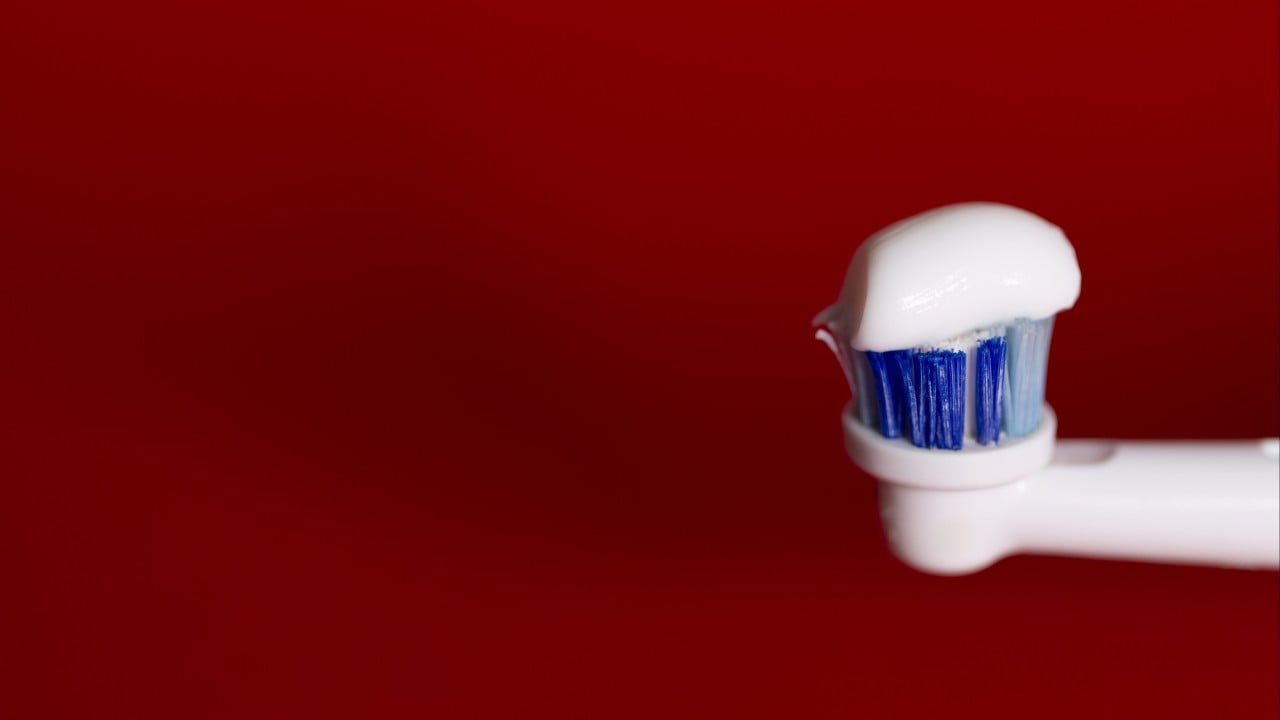
No matter how thoroughly you brush your teeth in the morning and evening, the battle against bacteria is almost certain to be lost.
Within a few hours of brushing, it will return in force and rebuild a solid defence line on the surface of your teeth.
From ancient times to now, humanity has essentially had only one way of dealing with it, whether it was using twigs and sticks or the first bristled toothbrushes, which date back to 10th century China.
But even today’s most advanced electric brushes are still relying on physical friction to remove dental plaque.
Now a group of researchers from China has decided to take a different approach by letting the toothbrush generate its own electricity to eliminate the bacteria silently.
Its bristles are designed to generate tiny electric currents that catalyse the production of reactive oxygen species, which disrupt the spread of bacteria in the mouth.
In a clinical trial, those using the electric toothbrushes showed significantly greater reductions in dental plaque, gum inflammation and bleeding compared with those using regular toothbrushes.
The study was published online in the journal Science Advances.
Zhang Xuehui, the corresponding author of the article and director of the Dental Materials Laboratory at Peking University School and Hospital of Stomatology, said the new toothbrushes “combine physical cleaning with sustained antibacterial effect, thus highlighting the potential of self-charged materials in advancing oral healthcare”.
Zhang and his team used polyvinylidene fluoride (PVDF) to make bristles that generate a mild current.
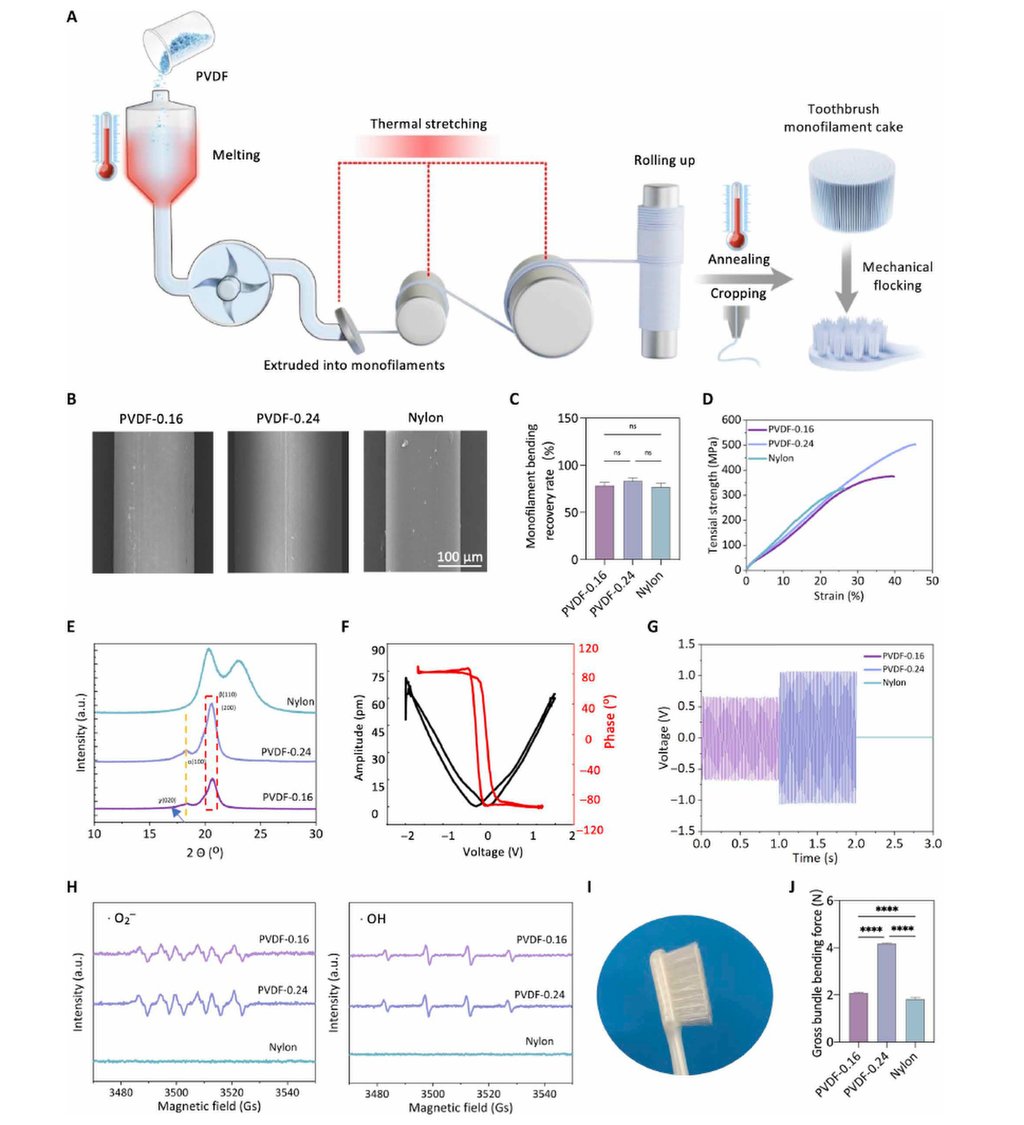
In laboratory and animal experiments, these self-charging bristles achieved a superior cleaning efficacy compared with traditional nylon toothbrushes, with a cleaning efficiency of over 99 per cent and good biocompatibility, the study said.
The researchers then carried out a trial involving 115 volunteers with tooth and gum diseases such as periodontitis or dental caries, half of whom were asked to use a regular nylon toothbrush and half of whom were given the new brushes.
All volunteers were given identical instructions on toothpaste and brushing methods.
After three months the researchers examined the volunteers’ mouths and found that dental plaque levels, gingival inflammation and gingival bleeding all decreased significantly in the group using the new brushes.
This suggested that the removal of more dental plaque had helped to reduce inflammation and bleeding.
The brushes also proved to be safe to use, with no volunteers reporting problems such as pain, numbness or electric shocks.
Zhang added that the further comparisons with existing technology would be needed to establish the advantages of the new technique.
KioskNews shows a cleaned-up reading view extracted from the publisher’s page — the original always lives on their site, not ours.