36 Years Later, Kevin Costner’s Western Masterpiece 'Dances With Wolves' Is Still Better Than ‘Yellowstone’
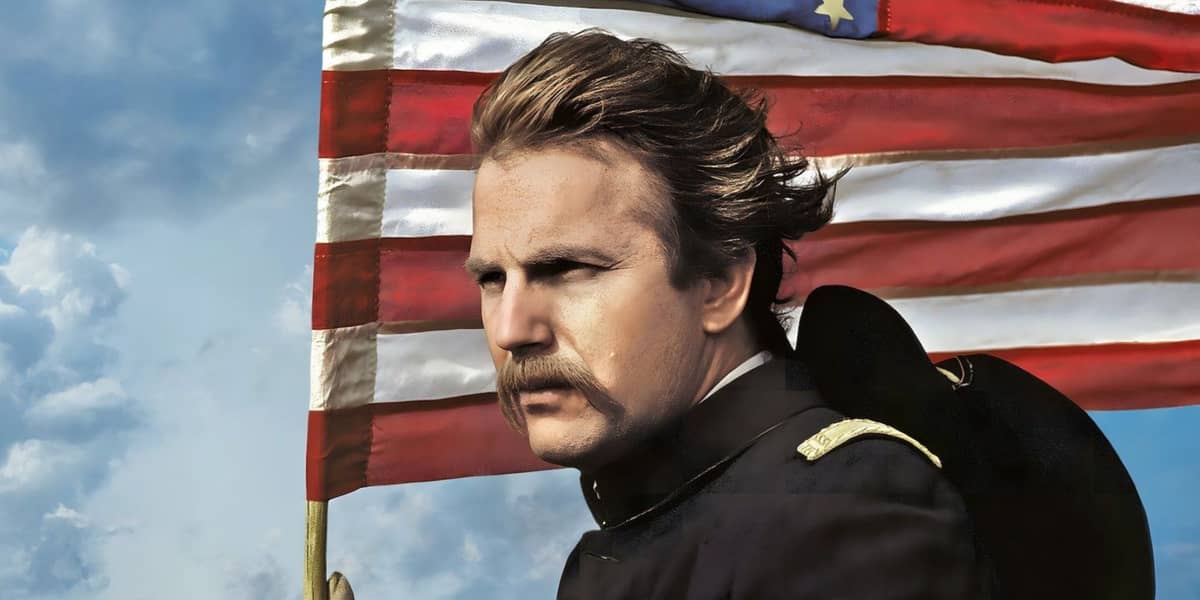

Taylor Sheridan’s Yellowstone reinvented the Western for 21st century audiences, but in the last decade of the 20th century, its star Kevin Costner perfected the genre. Now charting on Tubi, 1990's Dances With Wolves remains not only one of Costner’s greatest achievements, but arguably a stronger Western than the hit TV series that later helped revive his cowboy image. The multiple Oscar winner became the high point of the star’s career, cementing him as America’s favorite hero and creating a blueprint for revisionist, thoughtful Westerns that were about more than just shootouts or cavalries.
'Dances with Wolves' is an Oscar-Winning Historical Drama
Costner stars as John J. Dunbar, a Union Army Lieutenant injured in an act of heroism during the U.S. Civil War. Granted the opportunity to choose his next posting, he decides to be assigned to the far Western plains, on the edge of Native American land, and far from the bloodshed he has seen. Initially living a solitary life, he comes to form a bond with the Lakota Sioux community, earning their trust as well as the name “Dances with Wolves.” As tensions grow between Native settlements and the U.S. military, John is forced to choose between the country he served and the family he has found.
Based on the novel of the same name by Michael Blake (who also wrote the screenplay), the film was a financial success and won seven awards at the 1991 Oscars, including Best Picture and Best Director for Costner. After making box office hits like Bull Durham, Field of Dreams, and The Untouchables during the 1980s, Dances with Wolves announced Costner as an all-round filmmaker, capable of being as impactful behind the camera as he was in front of it.
Kevin Costner Directs and Stars in His Finest Movie Moment

A three-hour Western epic might have been considered a risky prospect for any other first-time director, let alone one who also intended to star in the film. However, Costner’s singular vision led to a cinematic classic that wowed audiences at the time. Behind the camera, he avoided many of the tropes of the Western genre. Yes, there were sweeping shots of landscapes and the grandeur of the American frontier, but that became the canvas for character development instead of stand-offs. The movie follows the growth of a human being, rather than the fight for a town, and while the story itself may be fictional, it asks thought-provoking questions about America’s history and heritage.
In front of the camera, he was equally subversive. The classic Western hero is depicted as strong, forthright, and sure in his actions. Dunbar, meanwhile, is wounded, disillusioned, and searching for meaning, having seen so much horror. It’s not the lone lawman riding off into the sunset, but rather a man trained to kill suddenly being taught what it is to live. While more complex portrayals of Native American culture have come along in the years since, this was a Hollywood epic shot on a grand scale that dared to look at things differently, and was rewarded for those risks.
'Dances with Wolves' Created the Modern Western Blueprint That Led to 'Yellowstone'
Westerns existed long before Dances with Wolves, but Costner’s movie started a conversation about what was possible within the genre. Was the West simply a battleground between good and evil, cowboys and sheriffs, or could it be the stage for something bigger? The idea of the American frontier as a place of moral complexity was spearheaded by Costner’s movie, and the resulting success showed that there was an audience hungry for that kind of story.
There’s something of that soul-searching in Taylor Sheridan’s Yellowstone, where cultural identity and family legacy are issues just as pressing as who has the most firepower. It’s fitting, then, that Costner should lead the hit TV show as its patriarch, John Dutton III, a familiar face for Western fans ushering in a new generation. Like Dunbar, Dutton is a man with an almost spiritual connection to the land, who also feels haunted by the growing disappearance of the West. Where Dunbar saw colonialism as a threat, Dutton sees industrialization chipping away the last remnants of a way of life.
Yellowstone’s character-driven approach would not have been possible without the change in direction that began with Dances with Wolves. Moving from physical spectacle to emotional journey ensured Costner’s place as an all-time Hollywood great. While Sheridan’s TV show may have revived interest in the actor’s career, the 1990 award-winner was the foundation on which his legend was built.
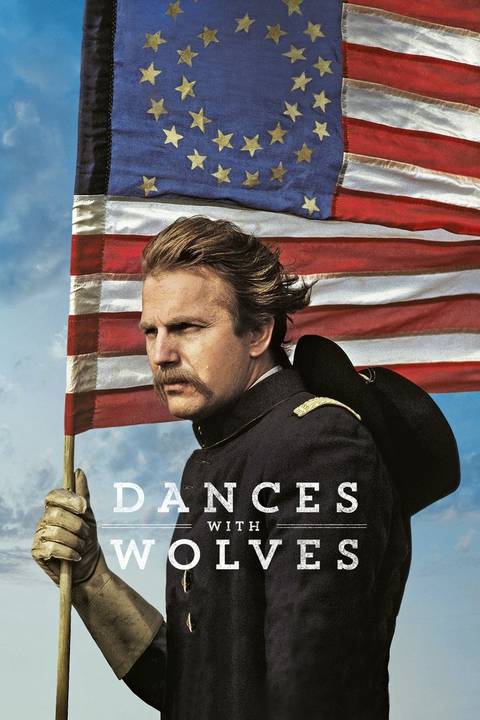
- Release Date
- November 21, 1990
- Runtime
- 181 minutes
- Director
- Kevin Costner
- Writers
- Michael Blake
- Producers
- Jake Eberts
KioskNews shows a cleaned-up reading view extracted from the publisher’s page — the original always lives on their site, not ours.