Hongkongers face higher power bills next year as CLP, HK Electric raise tariffs
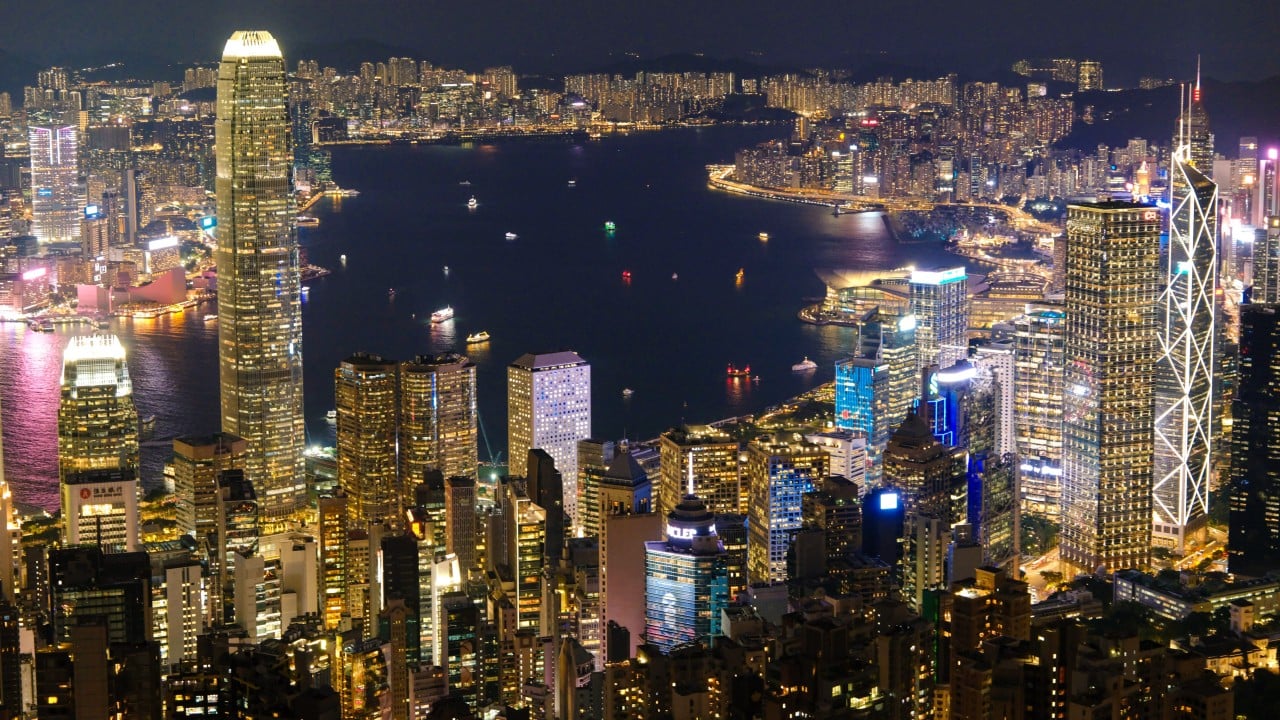
Hongkongers will pay 1.8 per cent or 7.9 per cent more for electricity next year following this year’s 2.2 per cent to 2.6 per cent reduction in net tariffs, sources have confirmed with the South China Morning Post.
Ahead of the environmental affairs panel on Tuesday, sources said HK Electric, which serves Hong Kong Island and several outlying islands, would raise its basic tariff by 7.9 per cent, they said.
CLP Power, which serves Kowloon, the New Territories and Lantau Island, would raise its tariff by 1.8 per cent.
Electricity tariffs in Hong Kong comprise a basic tariff and a fuel cost surcharge, which together form the net tariff. The utilities occasionally offer rebates that lower households’ final bills.
The basic tariff covers a power company’s operating expenses, standard fuel costs and permitted return. The fuel cost charge passes on fluctuations in global fuel prices directly to consumers.
The fuel cost adjustment rate, reviewed each month, can raise or reduce electricity bills depending on changes in global energy prices.
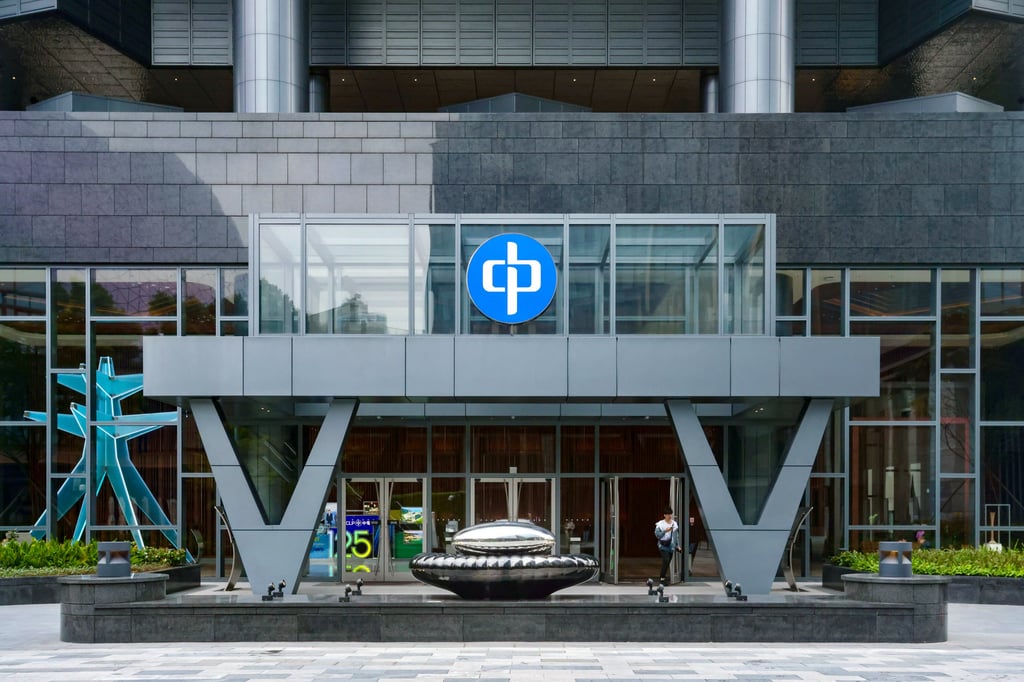
CLP Power and HK Electric have signed scheme of control agreements with the government, which commenced in 2018 and 2019. Both agreements will last until the end of 2033, providing a framework for the government to monitor the firms’ financial affairs and technical performance to regulate the city’s electricity supply.
A Legco document last week noted that the government projected CLP Power’s net tariff would increase by 1.6 per cent from 2025 to 2028, with HK Electric’s net tariff expected to rise by 1.7 per cent over the same period.
CLP Power, the larger of the two power utilities, said on Monday it would spend HK$250 million (US$32.05 million) on community support initiatives in 2027, with HK$80 million dedicated to supporting low-income families.
Aside from electricity subsidies of HK$600 to HK$1,000 that benefited about 93,000 families, CLP also allocated HK$10 million to provide energy-efficient cooler fans for 10,000 eligible households to improve their living conditions and reduce energy costs.
It also allocated HK$40 million to help 15,000 underprivileged households replace their old water heaters, refrigerators or washing machines with energy efficient models on a one-for-one basis, as part of its energy saving and decarbonisation initiatives.
HK Electric said it would allocate HK$78 million next year to reduce the pressure of energy costs on low-income households and subsidise project costs for non-profits and schools that install energy-efficient equipment.
KioskNews shows a cleaned-up reading view extracted from the publisher’s page — the original always lives on their site, not ours.