Rising electricity needs put Southeast Asia’s energy security at risk: report
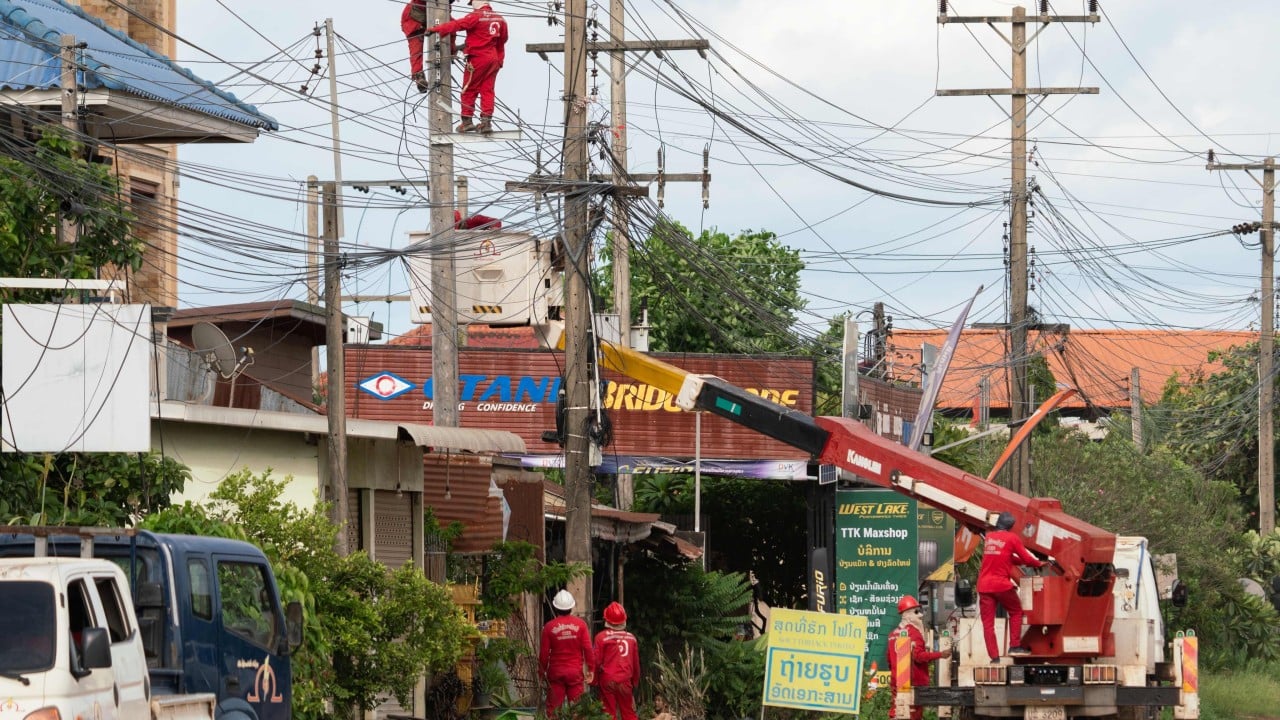
Risks to Southeast Asia’s energy supplies are multiplying faster than nations are coming up with solutions to meet rapidly rising demand for electricity, according to an International Energy Agency report released on Tuesday.
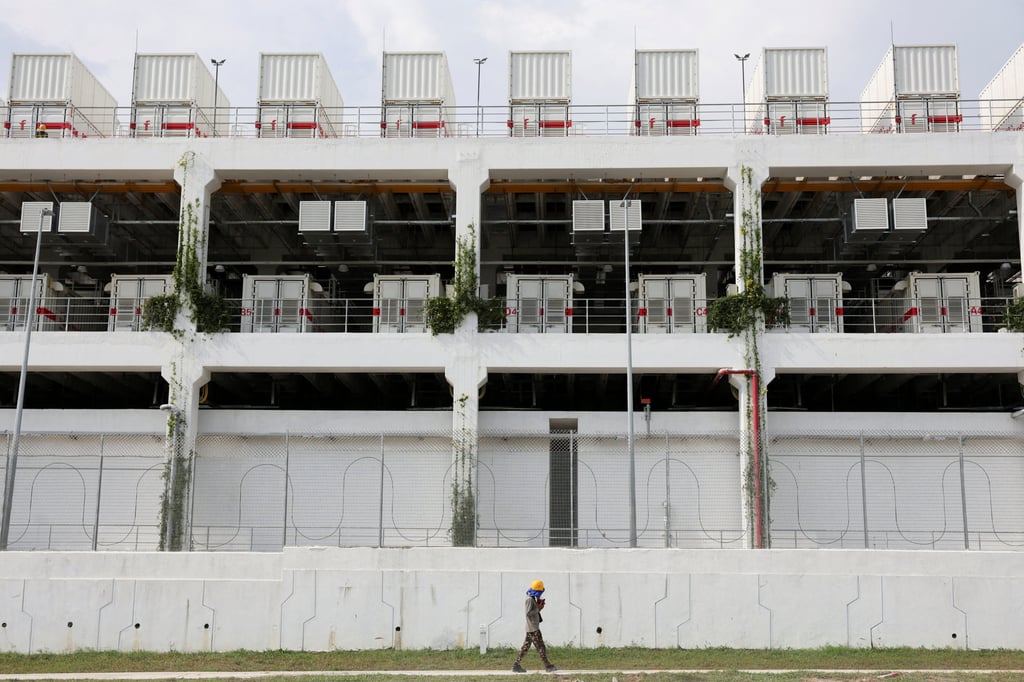
Southeast Asia has a seemingly insatiable appetite for energy, but the region is now in a pinch as energy costs rise, partly due to the Iran war. Fast-growing Southeast Asian economies also need more electricity to power data centres and keep homes and businesses cool.
To boost regional energy security, the report says Southeast Asian nations should share electricity among each other and diversify where they get their power. But countries face multiple hurdles, from territorial conflicts between neighbours to differing types of national energy markets, according to analysts, who warn these barriers may keep the region vulnerable to energy shocks.
“Southeast Asia is one of the world’s most dynamic regions, but its rising needs for energy to power its economic growth face challenges in an increasingly uncertain global energy landscape,” Fatih Birol, the IEA executive director, said in a statement.
With the Iran war now bleeding into its seventh month, the IEA warns energy security issues among the Association of Southeast Asian Nations will intensify as the region’s electricity demands outpace growth in power generation.
Rapid industrialisation, urbanisation and rising living standards are driving Southeast Asia’s energy demand, which has risen almost 30 per cent per person over the last 10 years. From now until 2030, the IEA forecasts demand will expand at an average annual rate of 5.4 per cent because of demand for cooling, data centres and industry.
The energy crisis stemming from the closure of the Strait of Hormuz has been a wake-up call for Southeast Asia, which has suffered fuel shortages and soaring costs.
Unlike their wealthier East Asian neighbours Japan and South Korea, countries in Southeast Asia have limited energy reserves and fewer resources for dealing with the crisis.
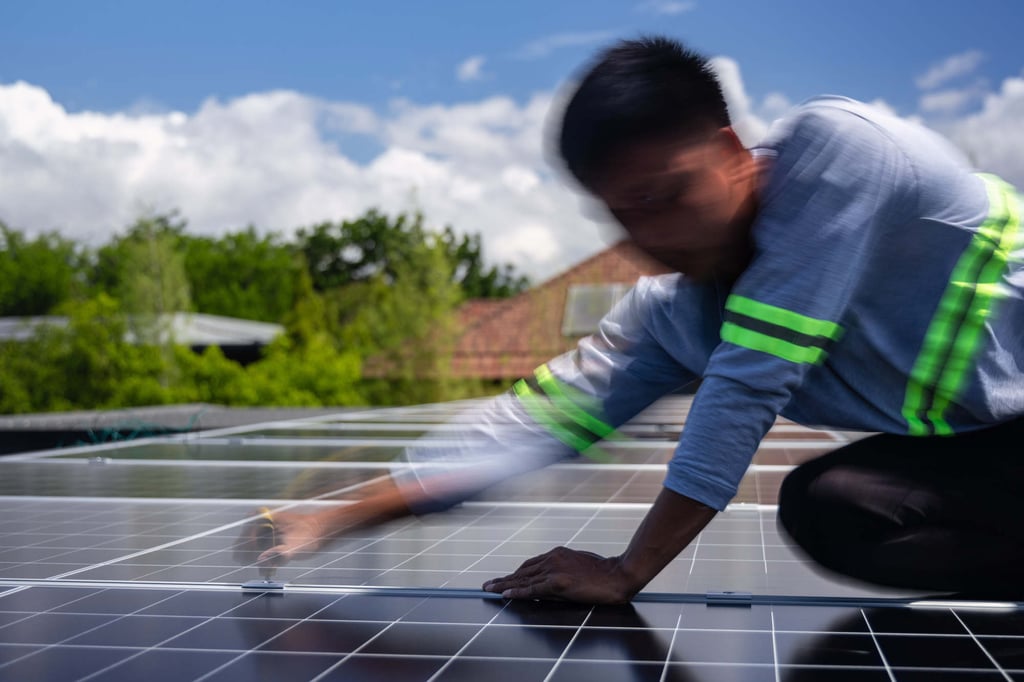
To survive, countries went into a state of energy triage to conserve power, while also burning more coal and buying Russian crude oil. But as the conflict lengthened, it also led to new policies for cleaner power – from nuclear energy agreements, to solar power subsidies and incentives for buying electric vehicles.
That can help diversify the region’s energy sector, according to Amy Kong, with Zero Carbon Analytics. “The Iran war has given governments a bit of a reality check,” she said.
If Southeast Asia wants to improve its energy security, nations need to continue diversifying energy supply sources and routes, make greater use of domestically available energy resources and accelerate electrification alongside efficiency improvements, according to the IEA.
Countries needed to act, and move faster, said Putra Adhiguna, with the Jakarta-based Energy Shift Institute.
“Southeast Asia is at a crossroads,” he said. “There needs to be much more drastic change in how the region adopts the energy transition and diversifies its traditional energy sources.”
KioskNews shows a cleaned-up reading view extracted from the publisher’s page — the original always lives on their site, not ours.