Netflix's Forgotten 3-Season Dark Comedy Is Perfect From Beginning to End


Amanda M. Castro is a Network TV writer at Collider and a New York–based journalist whose work has appeared in Newsweek, where she is an Associate Editor, and The U.S. Sun, where she previously served as a Senior Consumer Reporter.
She specializes in network television coverage, delivering sharp, thoughtful analysis of long-running procedural hits and ambitious new dramas across broadcast TV. At Collider, Amanda explores character arcs, storytelling trends, and the cultural impact of network series that keep audiences tuning in week after week.
Born and raised in Puerto Rico, Amanda is bilingual and holds a degree in Communication, Film, and Media Studies from the University of New Haven.
Netflix has spent years churning out shows that dominate the conversation for a week before disappearing into the streaming void, but some of its best series deserve a longer shelf life. Dead to Me, Liz Feldman’s wickedly funny dark comedy starring Christina Applegate and Linda Cardellini, is one of them. Dead to Me unfolds over three seasons, as the bond between two friends, forged in a moment of calamity, is drawn into a whirlwind of secrets.
Premiered in 2019, Dead to Me follows two girls whose lives become bound after they attend a mourning support group. What starts as an unexpected connection between a furious widow and an incredibly friendly stranger becomes a determination to keep their lives from falling apart. The show ran for 30 episodes, concluding in November 2022, and its ending gave Jen and Judy’s story something many streaming dramas struggle to achieve: a real finish line.
What Is ‘Dead to Me’ About? Netflix’s Dark Comedy Has a Killer Premise
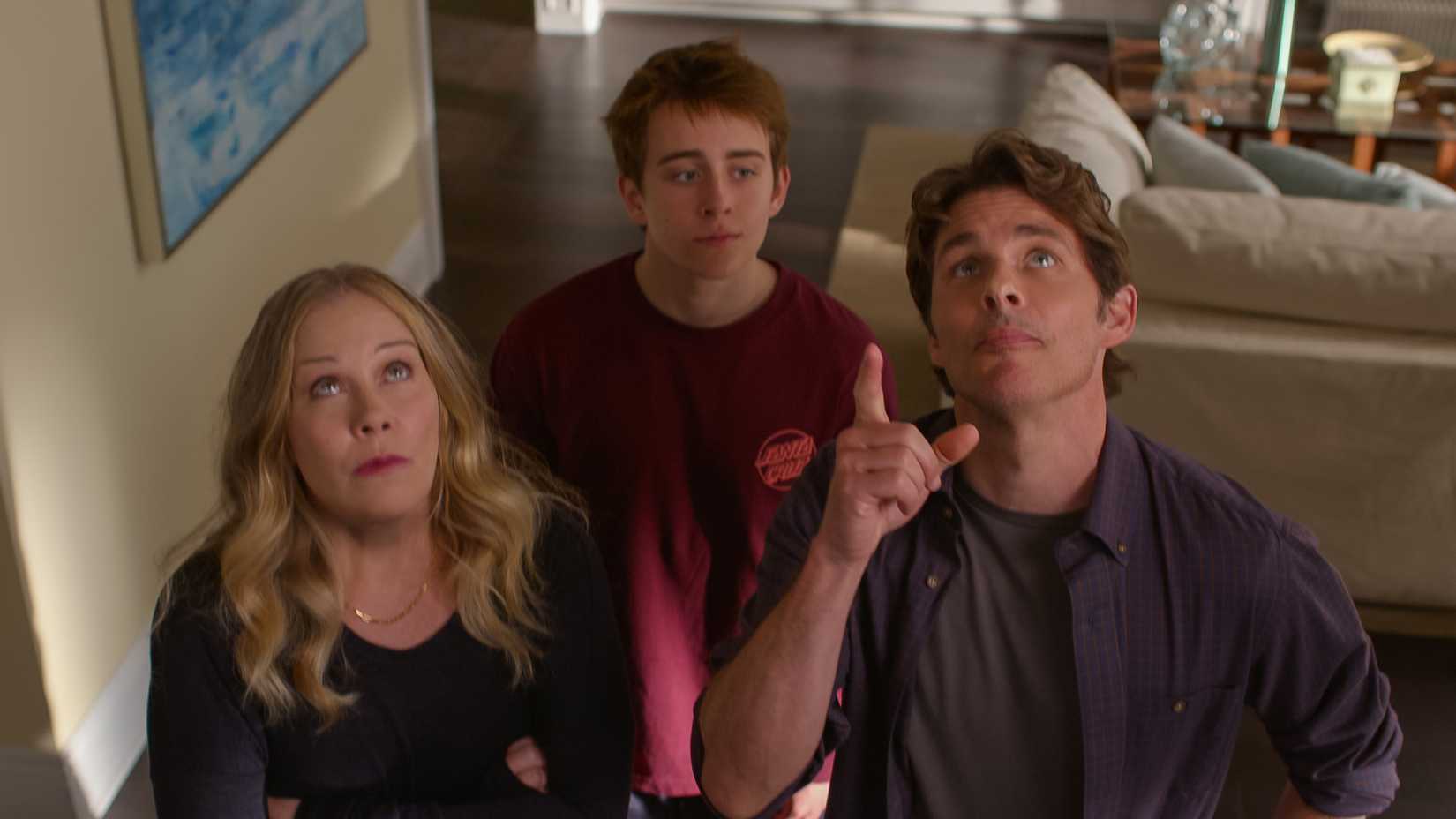
Jen Harding (Applegate) isn’t interested in inspirational platitudes about grief. Recently widowed after her husband, Ted, was killed in a hit-and-run, she’s angry at the world and has little interest in pretending otherwise. She channels her frustration into work, exercise, and an increasingly obsessive determination to find the person responsible for her husband’s death.
Then she meets Judy Hale (Cardellini) at a grief support group. Judy seems like Jen’s opposite: open-hearted, optimistic, and able to find a little light even in the bleakest circumstances. The two become friends, and Judy eventually moves into the guesthouse on Jen’s property. There’s a catch, though, as Judy knows more about Ted’s death than she’s letting on.
While the secret may serve as the show's catalyst, the creators of Dead to Me rise above standard season-long scoops or mysteries that rely on a single shocking murder. Instead, viewers are left with a far more complicated question. What happens when the person whom you love the most does something utterly unforgivable? And what is the essence of forgiveness? Although the series eventually shifts away from the original mystery, interest in Jen and Judy’s relationship remains throughout the show.
Christina Applegate and Linda Cardellini Are the Secret to ‘Dead to Me’
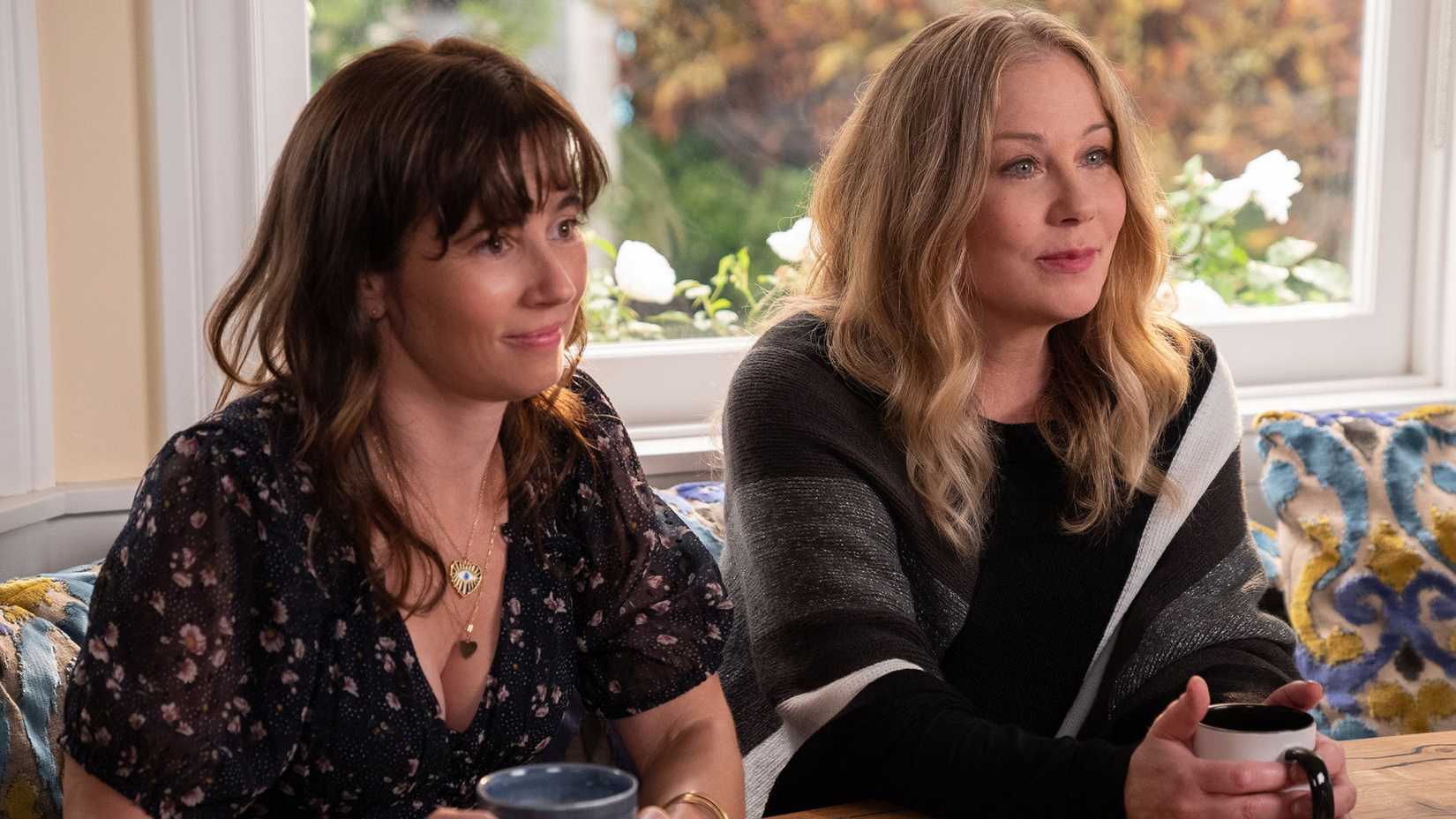
You could give Dead to Me an absurdly convoluted plot, and it would still have a reason to exist as long as Applegate and Cardellini were in the middle of it. For her part, Applegate casts Jen as someone who has run out of patience; the character has endured so much suffering that even the smallest obstacle can spark an intensity usually seen only in the most serious tragedies.
In contrast, Cardellini plays Judy as a warm and loving character, who genuinely seems to forgive everyone. However, as Cardellini's performance reveals, Judy's sunshine mask conceals considerable guilt, loneliness, and self-destructive behavior she struggles to suppress. Her desire to help everyone she meets is, arguably, both a great quality and a terrible way to survive.
Together, the actresses make the friendship feel real rather than manufactured for television. Jen and Judy don’t always understand each other, and they certainly don’t always make good decisions together. They can be infuriating, petty, and occasionally downright awful, yet their affection survives the sort of revelations that would end most friendships before the second round of drinks.
Jen doesn’t emerge from every difficult experience with a newfound appreciation for life, and Judy’s remorse doesn’t automatically make her a better person. Their emotions are inconsistent, their coping mechanisms are often terrible, and their attempts to fix their problems tend to create several new ones. Although Jen's outbursts are often humorous, her rage is always serious. Her husband is dead, her family is in a desperate situation, and yet people expect her to act reasonably, despite her troubles. While watching Jen, Applegate knows how to differentiate between a comical role and a character struggling with her own suffering.
The series gives Judy the same understanding. Her cheerful attitude can also reveal many secrets. Her wish to protect others often harms her health, and her desire to put everything in its right place doesn't fix the worst side of Judy's personality. In both cases, neither Jen nor Judy can confront their own personalities; thus, their friendship is full of both comfort and problems.
Three Seasons Give ‘Dead to Me’ a Beginning, Middle, and End

At just 30 episodes, Dead to Me is an easy commitment for viewers who don’t want another sprawling series on their watchlist. Its first season establishes the friendship and the secret threatening to destroy it, while the second pushes Jen and Judy into an increasingly precarious attempt to maintain their lives amid the consequences of their choices. By the third, the question is whether their relationship can survive everything they’ve put each other through.
The critical response reflects how consistently the series delivered across its run. According to Rotten Tomatoes, the first season holds an 86% approval rating, the second reaches 96%, and the third finishes at 85%. The second season’s particularly strong reception speaks to the show’s ability to build on its original premise without abandoning the characters who made it work in the first place.
Its final season also benefits from knowing the story is ending. Jen and Judy’s journey ends with choices they’ve made, rather than an abrupt cancellation or an open-ended setup for another season. The ending is bittersweet, but that fits a series that has always understood how love and loss can occupy the same space.
Applegate and Cardellini make Jen and Judy’s bond convincing even when the plot stretches credibility. The actresses’ work establishes the emotional core of the series, so the significant events of the plot are important because they have specific implications for the protagonists.
If you haven’t noticed it on the Netflix recommendations list, you'll see why it's worth watching. Just don’t expect their friendship to come with a particularly clean criminal record.
KioskNews shows a cleaned-up reading view extracted from the publisher’s page — the original always lives on their site, not ours.