EU threatens significant fines for unfair online trade practices
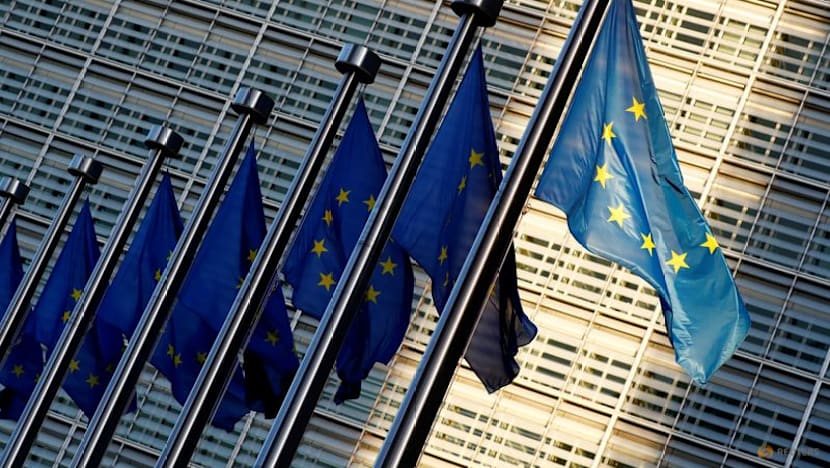
BRUSSELS, Nov 11 : Companies resorting to unfair digital trade practices to push people to buy more or target children with personalised advertising risk fines of as much as 6 per cent of their annual global turnover under a new European Commission draft law.
"Our consumer protection rules will help ensure that businesses compete on the merits of their products and services, not on their ability to exploit consumers or their ability to evade the rules," said EU justice chief Michael McGrath.
"We are not making it harder to do business, we are making it harder to do business unfairly," McGrath told a press conference on Wednesday.
The proposed Digital Fairness Act (DFA) aims to give consumers more rights but has been criticised by some businesses because of overlaps with existing laws and a proposed plan to keep children safe from online dangers.
The DFA, part of a crackdown requiring Big Tech and online platforms to do more to police their platforms, will need to be agreed with European Union countries and the European Parliament in the coming months before it can become law.
The proposed law wants to ban dark patterns and tackle addictive designs of digital products and misleading influencer marketing, pricing practices and subscription traps, which the Commission said cost consumers billions of euros yearly.
KioskNews shows a cleaned-up reading view extracted from the publisher’s page — the original always lives on their site, not ours.