Keeping critical industries moving through the energy transition
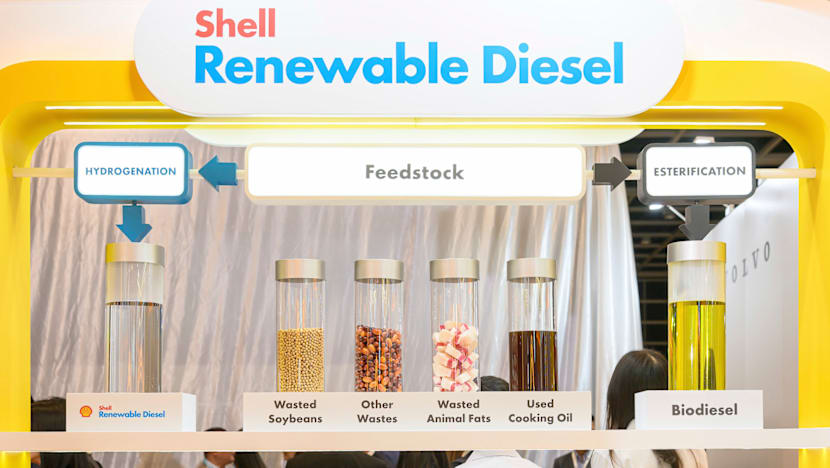
As businesses look to reduce emissions, the challenge lies not only in making changes, but in maintaining reliability along the way.
New: You can now listen to articles.

This audio is generated by an AI tool.

15 Oct 2026 12:14PM
From the goods arriving at ports to the data centres powering online services, many of the systems we rely on every day depend on a reliable energy supply. As businesses look to reduce emissions, the challenge is not simply choosing lower-carbon options, but adopting them without disrupting essential operations.
Under Singapore’s second Data Centre Call for Application, four selected proposals covering 200 megawatts of provisionally allocated new capacity have committed to powering more than half of that capacity through green energy pathways. For operators, this means balancing expansion and environmental goals with the resilience their facilities require.
REDUCING EMISSIONS WITHOUT STARTING FROM SCRATCH
Does moving towards lower-carbon operations mean replacing existing infrastructure? Not always, according to Mr Tan Yew-Chong, general manager of commercial fuels (east) at Shell.
“A common misconception is that decarbonisation requires the wholesale replacement of existing assets or systems,” he said. “In practice, the steps businesses can take vary according to the application, their operating needs and the maturity of available solutions.”
That means exploring not only longer-term shifts such as electrification, infrastructure upgrades and new technologies, but also ways to reduce emissions from equipment already in use.
Power generation accounts for 40 per cent of Singapore’s emissions. Businesses must also consider emissions from existing diesel-powered assets, including backup generators, fleets and critical equipment. The question is how to address these without disrupting operations or investing prematurely in new equipment.
For suitable diesel applications, Shell Renewable Diesel (SRD) is one option. Also known as hydrotreated vegetable oil, SRD can be used in a range of applications, subject to equipment compatibility, manufacturer requirements and site readiness. In Hong Kong, for example, the fuel has been used in a hospital’s boiler room and a container terminal operator’s diesel fleets, demonstrating its potential across different operating environments.
“SRD may help businesses reduce lifecycle carbon dioxide-equivalent emissions¹ associated with specific diesel use² by up to 90 per cent³, while continuing to utilise existing equipment,” said Mr Tan.
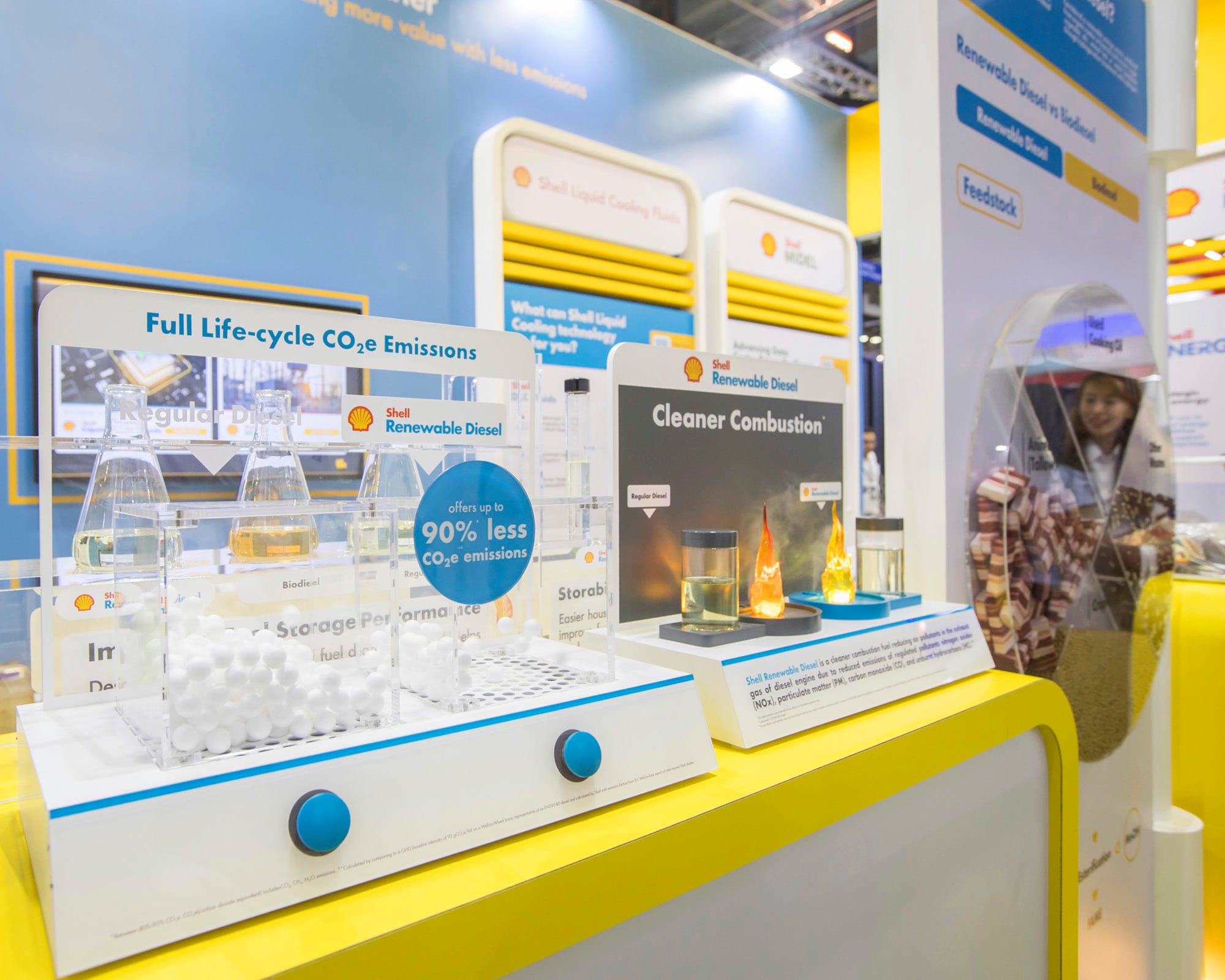
Produced from renewable or waste feedstocks through a hydrotreating process, SRD is a paraffinic renewable fuel with low levels of sulphur and aromatics. Unlike conventional biodiesel, it does not contain fatty acid methyl esters, reducing the risk of fuel degradation and microbial growth during storage. It also lacks the typical odour associated with diesel fuels.
These characteristics are particularly relevant for backup power and other applications where fuel may be stored for extended periods but needs to be ready at short notice. SRD is designed to maintain fuel quality for longer, supporting reliability when called upon.
“Customers need confidence that the fuel they are using will perform as expected, especially in applications where downtime can have significant operational or business consequences,” added Mr Tan.
MAKING THE TRANSITION WORK IN PRACTICE
Switching fuels, however, is not simply a procurement decision. Moving a diesel application to SRD involves assessing equipment suitability, storage readiness, operational procedures and supply-chain considerations.
For a data centre, backup generators may operate infrequently but must be ready to kick in if grid power fails. A fuel change therefore needs to account for the wider generator system – from the condition of stored fuel and the readiness of tanks and filters to testing and emergency replenishment.
Shell’s role extends beyond supplying SRD. Its suitability assessment considers a customer’s operating needs to determine whether – and how – the fuel can be introduced.
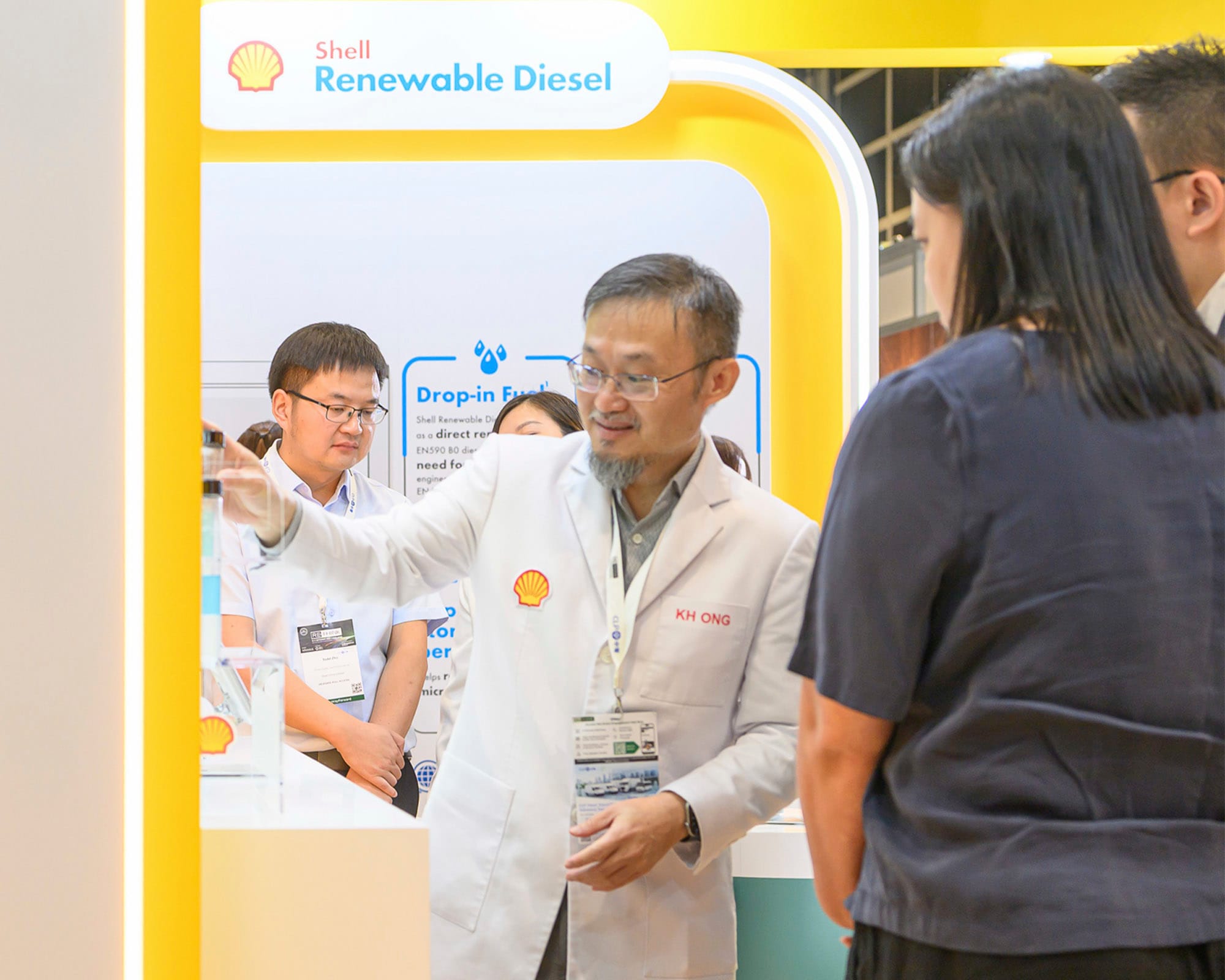
A container terminal operator in Hong Kong explored SRD to reduce emissions from its existing diesel-powered activities. With equipment uptime a priority, Shell assessed the company’s equipment requirements, fuel handling and storage readiness while operations continued.
Beyond fuel choice, different parts of an organisation may require different approaches and move at different speeds. A logistics or industrial operator, for example, may focus on identifying where alternative fuels can be introduced without affecting uptime, safety or cost certainty. Other needs may call for a broader mix of energy and technology options.
Shell’s capabilities span energy supply, technology, trading and customer solutions. For data centres, where energy needs extend beyond backup power to cooling and electricity supply, Shell may work with them on liquid cooling solutions, biomethane, renewable power pathways, transformer oils and technical consulting.
“The energy transition will not look the same for every business,” said Mr Tan. “For critical sectors, progress may come through a mix of long-term infrastructure changes and practical steps that can be taken today. The priority is to reduce emissions while keeping essential operations running safely, reliably and at the pace each business can manage.”
Learn more about Shell Singapore products and services that may support your business’s emissions management.
¹Product lifecycle carbon dioxide-equivalent (CO₂e) emissions are associated with the production and use of a specific product, from well to wheel, including emissions from feedstock production and collection, processing, storage, transport, distribution and combustion.
²Calculated by comparing to a greenhouse gas emissions baseline intensity of 92g of CO₂e per megajoule on a well-to-wheel basis, representative of an EN590 B0 diesel fuel. Calculated by Shell with emission factors from the JEC Well-to-Tank Report V5 and internal Shell studies.
³Between 80 per cent and 90 per cent CO₂e. CO₂e includes carbon dioxide, methane and nitrous oxide emissions.
KioskNews shows a cleaned-up reading view extracted from the publisher’s page — the original always lives on their site, not ours.