Oregon planted European beachgrass in 1910; it later reshaped the coast
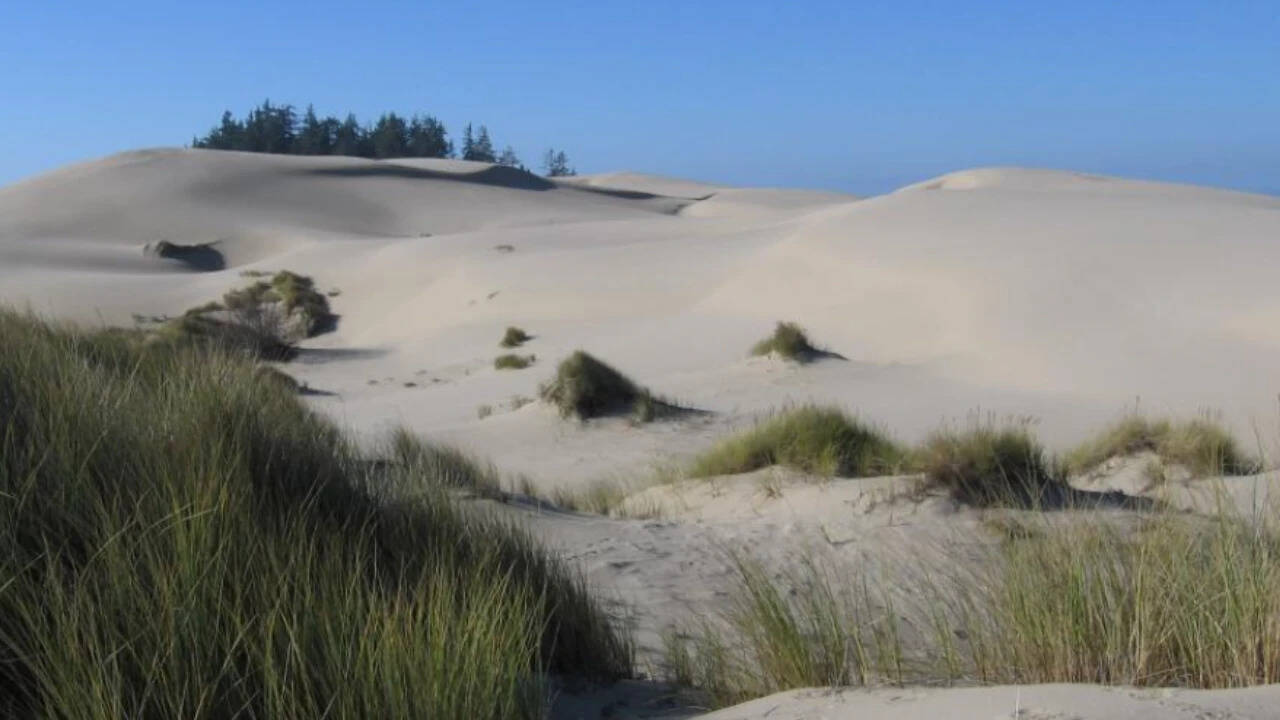
European beachgrass (Ammophila arenaria) is now well established in the Oregon dunes
In 1910, Oregon introduced European beachgrass near Coos Bay to stabilise its shifting dunes. The plant trapped moving sand and helped hold the dunes in place as it was meant to. But as the beachgrass spread, it changed the coastal landscape and reduced the open, shifting sand habitats that native plants and animals had adapted to.European beachgrass (Ammophila arenaria) is now well established in the Oregon dunes and dominates large parts of the dune system. A government data on invasive plants in the Lower Coos Watershed says the species has significantly changed the local landscape. It also notes that American beachgrass (Ammophila breviligulata), which was intentionally planted near the mouth of the Columbia River in the 1930s, later spread south.The two beachgrass species have created a nearly continuous barrier from the foredunes inland towards Highway 101, changing what was once a dynamic dune system. Aerial photographs of the Oregon dunes showed that vegetation covered about 20% of the dunes in 1939. About 50 years later, more than 80% of the dunes in the same region were covered by vegetation.Earlier, Oregon’s coastal dunes were naturally shaped by moving sand.
The dunes included open areas and valleys that shifted with seasonal winds. Native species such as pink sand verbena, Wolf’s evening primrose, silvery phacelia and the endangered Western Snowy Plover were adapted to these changing conditions. The introduction and spread of beachgrasses changed those conditions.
How beachgrass changed the dunes
European beachgrass is well adapted to seasonal sand burial. It can tolerate being buried by up to 1 metre of sand each year.
This allows it to survive in conditions in which many other plants cannot.The grass also spreads through rhizomes, which are underground stems or rootstock. Pieces of these rhizomes can be carried along the shore by winter storms. Once beachgrass becomes established, it is very difficult to control and even harder to eradicate.As the grass grows, it captures and stabilises sand. This changes the movement of sand across the dune system.
The establishment of non-native beachgrasses reduced the sand supply reaching interior dune habitats and changed the orientation of valleys within the Oregon dune field.Before the spread of beachgrass, the beaches associated with the Oregon dunes did not have a continuous foredune running parallel to the ocean. Instead, dunes and their valleys were oriented at an angle to the shore and shifted as prevailing winds changed with the seasons.The Coos Bay dune field, stretching from Haceta Head in the north to Cape Arago in the south, contains world's only oblique-ridge dunes. These dunes are expected to disappear as non-native beachgrass continues to stabilise the landscape.
Native species lost open sandy habitat
The changes to the dunes have affected species that depend on open, shifting sand. Oregon government material says populations of native plants and animals adapted to the dynamic dune system have declined sharply since beachgrass was introduced.These include pink sand verbena, Wolf’s evening primrose and silvery phacelia. The endangered Western Snowy Plover also depends on open dune habitat.
Beachgrass does more than replace native plants. By trapping sand and stabilising the dunes, it reduces the open areas these species need. With less sand movement and more vegetation, parts of the dunes have become increasingly stable.The decline of native dune species is linked to changes in dune valleys and reduced sand reaching the interior dunes.
These changes followed the spread of non-native beachgrasses.
A natural process made faster
The government source Dune stabilisation and rejuvenation have occurred naturally over thousands of years. Research suggests that vegetation can naturally stabilise dunes, allowing a foredune to develop. Major natural disturbances can later remove that foredune and expose interior dunes to wind-driven sand movement again.These disturbances can include major events such as a subduction zone earthquake, tsunami or sea-level rise.
The research suggests that non-native beachgrasses may be accelerating a natural cycle rather than creating a completely new process.However, the result is still a major change in the current dune landscape. A 1993 draft environmental impact statement cited in the source projected that the unique open dunes could completely disappear by 2040. It said reversing the process would require removing the foredune, which was considered too expensive.
Efforts to control the invasive grass
Because established beachgrass is difficult to remove, controlling it requires active management. Oregon’s State Wildlife Action Plan recommends mechanical and chemical treatment in priority areas, including Western Snowy Plover nesting areas and places near pink sand verbena populations.The plan also recommends controlling other invasive plants that can take advantage of stabilised dunes. These include hybrid beachgrasses, Scotch broom and gorse. Shore pine and other woody plants can also move into areas where dunes have become more stable.
KioskNews shows a cleaned-up reading view extracted from the publisher’s page — the original always lives on their site, not ours.