Spain’s deadly floods fail to put climate on the election agenda
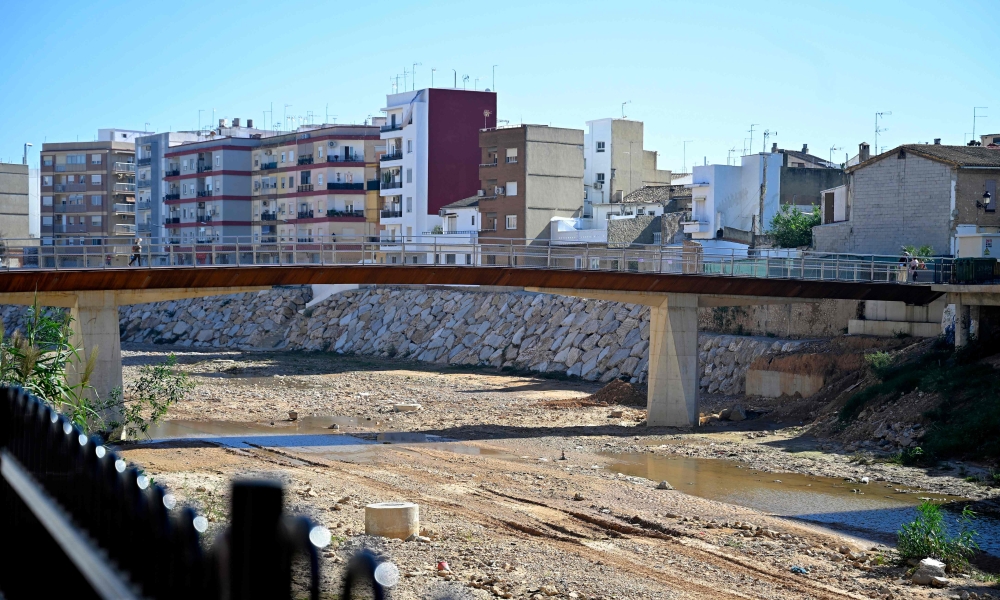

A picture taken on October 27, 2026 in Valencia’s Paiporta district shows where the “old Paiporta bridge” used to stand before it was demolished following the floods on October 29, 2024. — AFP pic
First Published: Monday, 16 Nov 2026 9:00 PM MYT
PAIPORTA, Nov 16 — Maria Laura Bustamante had barely finished furnishing the home she had just bought with her husband in the Spanish town of Paiporta when floods swept through the area, destroying the flat.
The disaster also destroyed the Latin Grammy-nominated couple’s home recording studio, where Bustamante and her husband, Alejandro Rivas, professional musicians who perform together, worked on their music.
Spain’s deadliest floods in a generation devastated the eastern region of Valencia in October 2024, sweeping away cars, submerging roads and buildings, cutting off residents and claiming more than 230 lives.
The couple and their young daughter spent the following months living in the nearby city of Valencia while their flat was being repaired.
“I used to find it difficult to imagine that climate change could affect us or force us to leave our homes,” Bustamante, 40, told AFP on the terrace of her home in Paiporta, one of the hardest-hit towns. “It seemed a long way off.”
The experience inspired the couple to write “El rio no tiene culpa” (The River Is Not to Blame), a song reflecting on climate change and criticising the authorities’ handling of the floods.
It also strengthened their conviction that action is needed to tackle climate change, an issue that has struggled to gain traction ahead of an early general election on November 29.
The floods and recurring wildfires, including July blazes west of Madrid that forced nearly 60,000 people to flee, have highlighted the risks posed by extreme weather.
And the election campaign is unfolding against the backdrop of the COP31 United Nations climate conference in Turkey, which ends on Friday.
Yet surveys suggest climate change remains a low priority for voters.
Housing, the economy and immigration are the issues most likely to influence voters’ choices in the election, according to a survey by pollster Invymark for Spanish television channel laSexta.
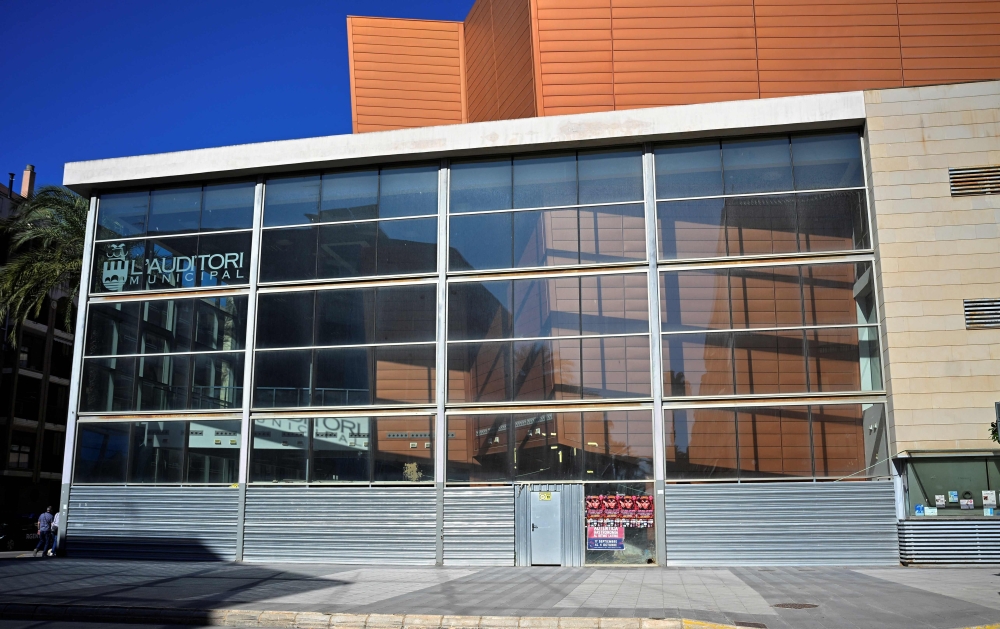
A picture taken on October 27, 2026 in Valencia’s Paiporta district shows the Paiporta Auditorium, which remains closed off since the floods on October 29, 2024. — AFP pic
‘Like a tsunami’
The floods initially increased the proportion of people in Valencia who believed climate change was affecting their region, but the effect had faded just six months later, according to an academic study published last month.
However, this shift did not translate into greater support for climate policies, one of the study’s co-authors, University of Barcelona political scientist Jordi Munoz, told AFP, describing the finding as “paradoxical”.
Part of the reason, he said, was that the political debate after the disaster focused on inadequate prevention measures and delays in delivering aid, rather than on climate change itself.
The regional government of Valencia was heavily criticised for not sending out flood alerts to cellphones until 8.11 pm on October 29, 2024, when flooding had already started in some places.
“When the alarm went off, the water was already up to here,” Maria Guillermina Spiekermann, 51, told AFP, gesturing to just above her waist as she described the flooding at her home in Picanya.
“It was truly apocalyptic. Cars piled four or five high, fallen trees and destroyed houses. It looked like a tsunami had hit.”
Her home and bookstore were destroyed, but she questioned the role of climate change, arguing that the region had experienced major floods in the past and that better infrastructure could have prevented much of the damage.
‘Same policies’
Scientists say human-driven climate change is intensifying autumn storms in eastern Spain, as warmer Mediterranean waters fuel evaporation and heavier rainfall.
Socialist Prime Minister Pedro Sanchez has repeatedly called for a cross-party pact on what he describes as the “climate emergency”.
But on the campaign trail he has made scant mention of the issue.
During a 22-minute speech at a rally in Valencia earlier this month, he referred to the issue just once, describing greenhouse gas emissions as “one of the main problems” affecting the region.
Climate change has featured little in the right-wing opposition Popular Party’s campaign, which has focused on deteriorating public services, particularly rail since last month’s deadly collision, which killed 69 people.
In Paiporta, the public library entrance remains bricked up after flood damage, while pupils at a local primary school still attend classes in prefabricated buildings.
Raul Camacho Segarra, spokesman for neighbourhood volunteer groups set up after the 2024 floods, questioned whether authorities had learned any lessons about climate risks since the disaster.
“It seems incredible that, in a climate crisis, they continue to pursue the same policies,” he said, pointing to continued construction on farmland and in areas vulnerable to flooding. — AFP
KioskNews shows a cleaned-up reading view extracted from the publisher’s page — the original always lives on their site, not ours.