CAF officially confirms AFCON will to previous format
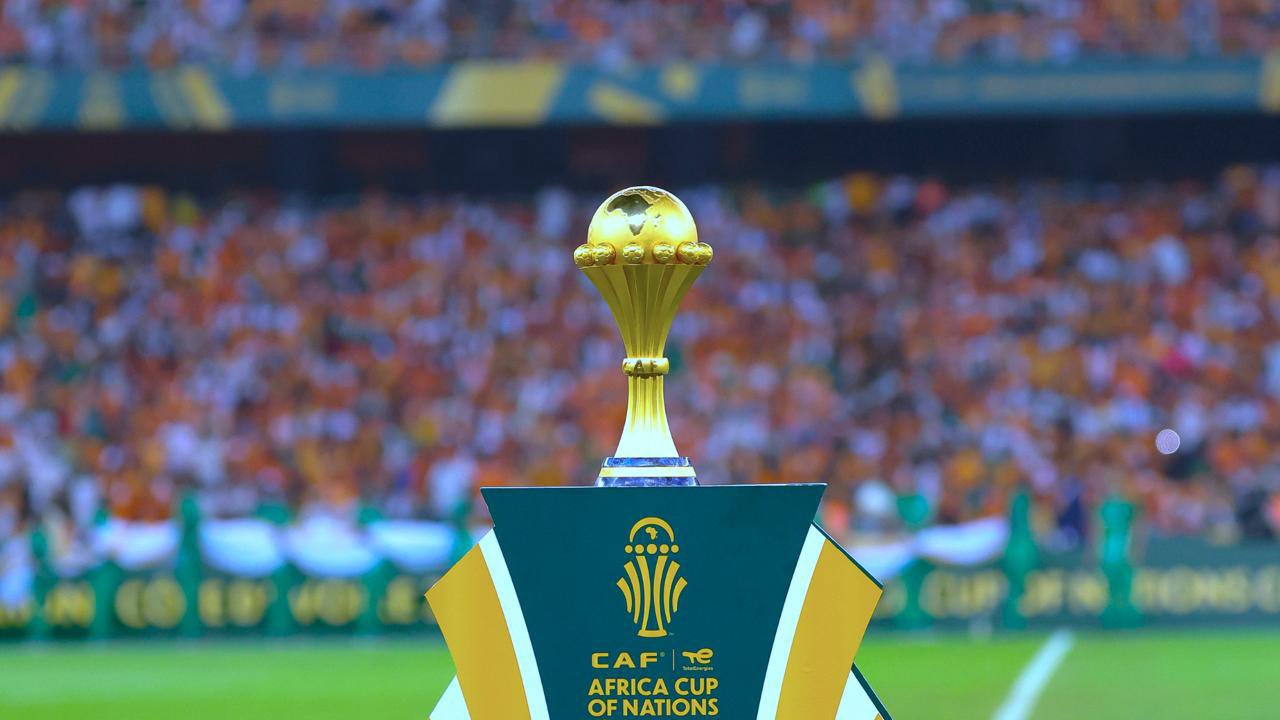
The Africa Cup of Nations (AFCON) is set to return to its traditional two-year cycle following the confirmation of a decision that will shape the future of Africa’s biggest international football competition.
The football tournament which is organised by the Confederation of Africa guve rican Football (CAF), has traditionally been held every two years, giving African national teams regular opportunities to compete for continental glory. There were initial suggestions that AFCON will be played every four years, however, the decision to maintain this format will be significant for participating nations, players and supporters across the continent.
AFCON remains one of the most prestigious competitions in international football, bringing together Africa’s top national teams to compete for the title. Its schedule also plays an important role in international football planning, particularly for national associations and players competing in European leagues.
The return to a two-year cycle is expected to attract considerable attention as fans look forward to future editions of the tournament.
The decision is also expected to be welcomed by football fans across Africa, as the two-year format provides more regular opportunities to witness the continent’s biggest football stars represent their countries on the international stage. It will also give national teams more frequent chances to compete for silverware while strengthening the tournament’s place in African football.
When is the next AFCON?
The latest announcement confirms that CAF’s Executive Committee unanimously approved the return to a two-year cycle on October 29, 2026. The next editions of are scheduled for 2027, 2028, 2031 and 2033.
However, the schedule will remain an important consideration for players and clubs as CAF works to balance the interests of international and club football.
Read the Latest Sports News Today and Get Fresh updates as they drop via X and Instagram
KioskNews shows a cleaned-up reading view extracted from the publisher’s page — the original always lives on their site, not ours.