10 Greatest Mystery Movies of All Time, Ranked

Michael Block is a 14 time GLAM Award nominated writer, producer, and host of the podcast Block Talk. Throughout his time in the entertainment industry, he has worked on and off Broadway as a stage manager, written several produced plays, critiqued hundreds of theatrical performances, drag and cabaret shows, and has produced events randing from drag competitoons to variety concerts!
On Block Talk, he interviews nightlife personalities, covers the wide world of entertainment through features, ranking episodes, and recaps ALL of Drag Race, as well as Dragula and Survivor. He has interviewed hundreds of RuGirls that span the globe at DragCon NYC, DragCon LA, and DragCon UK.
In his free time, he makes one-of-a-kind jewelry and gift baskets with his mom. He is a proud member of the LGBTQ+ community.
Sign in to your Collider account
Audiences love to feel a worthy payoff upon the completion of a film. Whether it's a satisfying ending or a shock worth the wait, when the credits roll, a great movie should elicit a strong reaction. So when it comes to mystery movies, that often comes when you, the viewer, can play along and feel like your sleuthing skills panned out.
A brilliant mystery movie keeps you on your toes as the twists and turns leave your mouth on the floor. From classic thrillers with shocking last-minute endings to comedies with multiple conclusions, the 10 mysteries on this list remain some of the greatest of all time. Though there are certainly more films that have left their impact on the genre, these 10 were complete game changers.
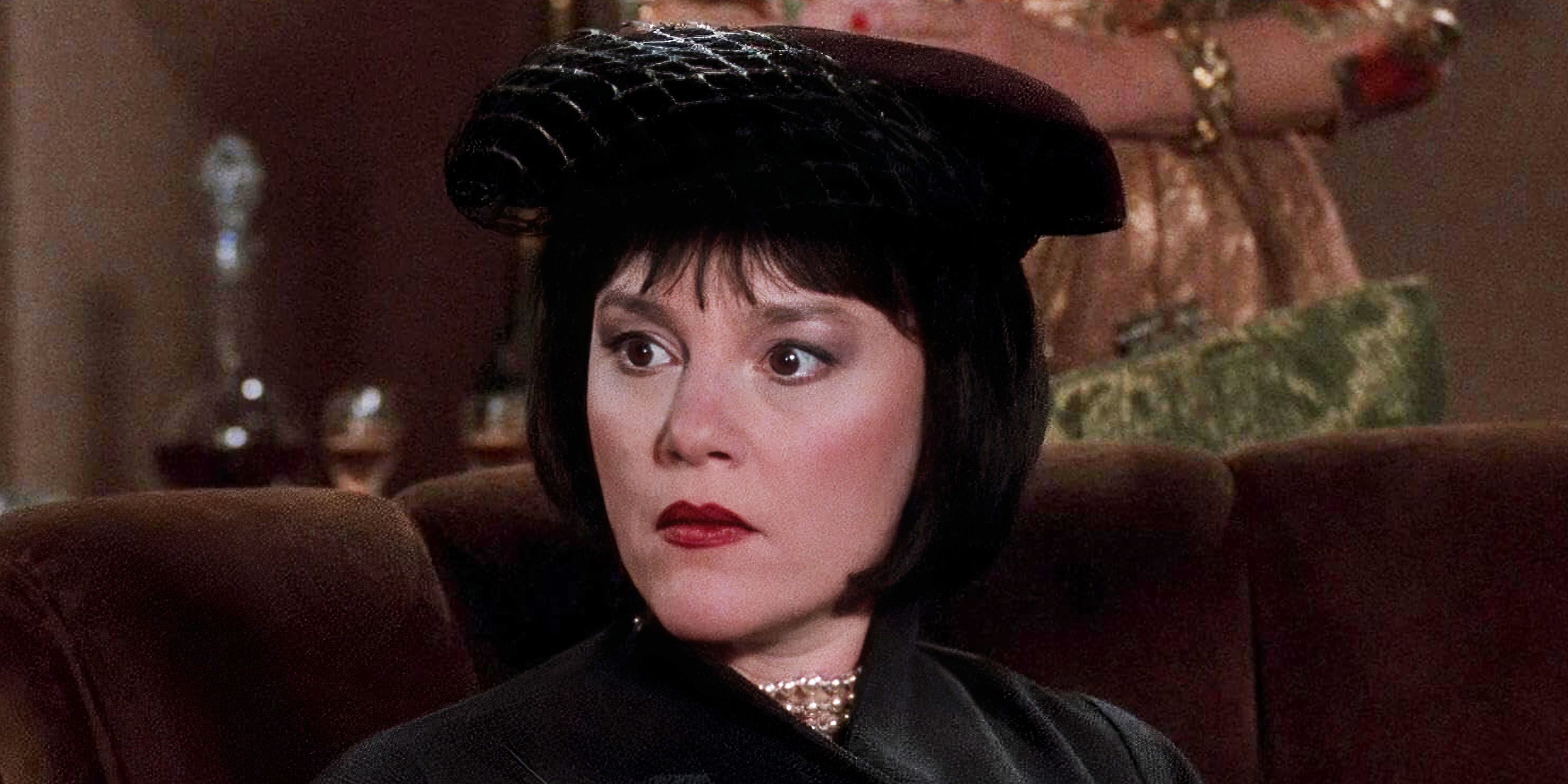
10 'Clue' (1985)

Not all mysteries have to be wrapped up in a dark and sinister tone. Sometimes, the best mysteries allow us to laugh along the way. That's exactly the case with the '80s comedy masterpiece, Clue. Inspired by the classic board game, the wildly funny film follows a colorful group of dinner guests who find themselves thrust in the middle of a murder mystery when their host, Mr. Boddy (Lee Ving), is murdered. Through bits and gags, Clue follows the blackmailed strangers as they attempt to uncover the killer, or killers, among them. Clue would be a brilliant film had they provided a single ending, but to heighten the hilarity, it's not about who or why. In the end, the mystery comedy shines thanks to its multiple endings, each plausible in its own right.
Here's how the film plays out in the end. In “How It Could Have Happened,” it’s Miss Scarlet (Lesley Ann Warren), with Yvette the maid (Colleen Camp) as her accomplice, who killed everyone to get revenge and sell secrets. In “How About This?," Mrs. Peacock (Eileen Brennan), who is the lone killer, outsmarts Wadsworth and everyone else. Then, in “Here’s What Really Happened,” Wadsworth (Tim Curry), the real Mr. Boddy, reveals that all the guests, except Mr. Green (Michael McKean), who was an undercover FBI agent, were murderers, and he orchestrated it all, leading to the mass arrest. Mystery masterpieces don't need to blow your mind — they need to keep you guessing. Clue flourishes in that department.
9 'The Prestige' (2006)

If you believe in magic, The Prestige shows why it's crucial to keep the tricks of the trade a secret, especially if they could destroy others in the process. Directed by Christopher Nolan, the mystery masterpiece follows the twisted, dark tale of rival magicians Robert "The Great Danton" Angier (Hugh Jackman) and Alfred "The Professor" Borden (Christian Bale) in Victorian London. Once holding a friendship, their bond suddenly devolves into a bitter, obsessive feud filled with sabotage, escalating deceptions, and tragic consequences. Why? Figuring out one another's secrets and creating the ultimate teleportation illusion as a deadly sacrifice leads to the ultimate "prestige." A story about obsession, rivalry, secrets, and illusion, The Prestige is mystery storytelling at its finest.
Structured like a magic trick, The Prestige is designed to deceive the audience, reward close observation, and deliver a final reveal that changes the meaning of everything that came before it. Through its non-linear structure, Nolan hides secrets within, compelling audiences to keep a keen eye on every detail. Magic is something extraordinary, but deceit and illusion may go hand in hand. Though you may feel cheated by the deceit, learning of the dazzling, mind-blowing illusions serves as an extraordinary ending to a gripping thriller. Through the intricate three-act narrative, The Prestige presents the profound parts of magic as a gloriously intelligent mystery that will force you to think about the art form differently from then on.
8 'The Maltese Falcon' (1941)

Mystery and film noir go hand-in-hand, and it's all thanks to the brilliance of The Maltese Falcon. Without John Huston's masterpiece, the landscape of the genre might never have been. Adapted from Dashiell Hammett's novel, the film follows the hard-boiled private eye Sam Spade (Humphrey Bogart) as he becomes entangled in a web of murder, greed, and betrayal while searching for a priceless, jewel-encrusted falcon statuette. Along the way, he meets an array of characters who covet the legendary artifact, including his mysterious femme fatale client, Brigid O'Shaughnessy (Mary Astor), and the villainous "Fat Man," Kasper Gutman (Sydney Greenstreet). When his partner, Miles Archer (Jerome Cowan), is murdered, Spade navigates lies and double-crosses as he unlocks the truth about the falcon and the lengths the shady individuals will go to possess it. The Maltese Falcon truly is "the stuff that dreams are made of."
The Maltese Falcon demonstrated how melodramatic storytelling and suspenseful direction can combine to produce a thrilling crime adventure. A strong mystery thriller needs the right atmosphere. Huston captured that so effortlessly that its influence was felt beyond the film. By allowing the murder mystery to unfold through textured characters and mesmerizing revelations, The Maltese Falcon keeps you guessing until the bitter end. A mystifying labyrinth of deception and moral ambiguity, The Maltese Falcon revolutionized the MacGuffin forever.
Collider Exclusive · Oscar Best Picture Quiz
Which Oscar Best Picture
Is Your Perfect Movie?
Parasite · Everything Everywhere · Oppenheimer · Birdman · No Country
Five Oscar Best Picture winners. Five completely different visions of what cinema can be — and what it can do to you. One of them is the film that was made for the way your mind works. Ten questions will figure out which one.
🪜Parasite
🌀Everything Everywhere
☢️Oppenheimer
🐦Birdman
🪙No Country for Old Men
01
What kind of film experience do you actually want? The best movies don't just entertain — they leave something behind.
02
Which idea grabs you most in a film? Great films are driven by a central obsession. What's yours?
03
How do you like your story told? Form is content. The way a story is shaped changes what it means.
04
What makes a truly great antagonist? The opposition defines the protagonist. What kind of opposition fascinates you?
05
What do you want from a film's ending? The final note is the one that lingers. What do you want it to sound like?
06
Which setting pulls you in most? Where a film takes place shapes everything — mood, stakes, what's even possible.
07
What cinematic craft impresses you most? Every great film has a signature — a technical or artistic element that makes it unmistakable.
08
What kind of main character do you root for? The protagonist is the lens. Who you choose to follow says something about you.
09
How do you feel about a film that takes its time? Pace is a choice. Some films sprint; others let tension accumulate slowly, deliberately.
10
What do you want to feel walking out of the cinema? The best films leave a mark. What kind of mark do you want?
The Academy Has Decided Your Perfect Film Is…
Your answers have pointed to one Oscar Best Picture winner above all others. This is the film that was made for the way your mind works.
Parasite
You are drawn to films that operate on multiple levels simultaneously — that begin in one genre and quietly, brilliantly migrate into another. Bong Joon-ho's Parasite is a film about class, desire, and the architecture of inequality that manages to be darkly funny, deeply suspenseful, and genuinely shocking across a single extraordinary running time. Your instinct is for cinema that hides its true intentions until the moment it's ready to reveal them. Parasite is exactly that — a film that rewards close attention and punishes assumptions, right up to its devastating final image.
Everything Everywhere All at Once
You want it all — and this film gives you all of it. The Daniels' Everything Everywhere All at Once is one of the most maximalist films ever made: action comedy, multiverse sci-fi, family drama, existential crisis, and a genuinely earned emotional core that sneaks up on you amid the chaos. You are someone who responds to ambition, who doesn't want cinema to choose between being entertaining and being meaningful. This film refuses that choice entirely. It is overwhelming by design, and its overwhelming nature is precisely the point — because the feeling of being crushed by infinite possibility is exactly what it's about.
Oppenheimer
You are drawn to cinema on a grand scale — films that understand history not as a backdrop but as a force, and that place their characters inside that force and watch what happens. Christopher Nolan's Oppenheimer is a film about the terrifying gap between what we can do and what we should do, told with the full weight of one of the most consequential moments in human history behind it. You want your films to feel important without feeling self-important — to earn their ambition through sheer craft and the gravity of their subject. Oppenheimer does exactly that. It is enormous, complicated, and refuses easy comfort.
Birdman
You are drawn to films that foreground their own construction — that make the how of the filmmaking part of the what it's about. Alejandro González Iñárritu's Birdman, shot to appear as a single continuous take, is cinema examining itself through the cracked mirror of a fading actor's ego. You respond to formal daring, to the feeling that a film is doing something that probably shouldn't be possible. Michael Keaton's performance and Emmanuel Lubezki's restless camera create something genuinely unlike anything else — a film that is simultaneously about creativity, relevance, self-destruction, and the impossibility of ever truly knowing if your work means anything at all.
No Country for Old Men
You are drawn to cinema that trusts silence, that refuses to explain itself, and that treats dread as a form of meaning. The Coen Brothers' No Country for Old Men is a film about the arrival of a new kind of evil — implacable, arbitrary, and utterly indifferent to the moral frameworks we use to make sense of the world. It is one of the most formally controlled films ever made, and its controlled restraint is what makes it so terrifying. You want your films to haunt you, not comfort you. You are not interested in resolution if resolution would be dishonest. No Country for Old Men is honest in a way that most cinema never dares to be.
7 'Chinatown' (1974)

The next in line of sensational mysteries comes the neo-noir thriller, Chinatown. Jake Gittes (Jack Nicholson), a 1930s Los Angeles private investigator, uncovers a massive conspiracy involving land grabbing, water supply manipulation, and horrific secrets. Hired by a woman claiming to be Evelyn Mulwray (Faye Dunaway) to investigate her husband, Hollis (Darrell Zwerling), the chief's water engineer, a complex maze of murder, incest, and political corruption is unearthed. Set during the 1937 California drought, the mystery tells how wealthy elites steal water and land while exploring themes of corruption, trauma, and the futility of good intentions in a wicked world.
Highly regarded as one of the most essential films ever made, Chinatown benefits from a keen eye and unsettling atmosphere. Everything and everyone is not what they seem, allowing that aura to encapsulate the mystery as it unfolds. Made in the '70s, its ability to evoke the '30s, from cadence to dress, adds to the aura. A near-perfect film, by combining a dark, deeply personal mystery with a social commentary that still reverberates, allows for the tragically authentic ending to remind us that some powerful, immoral forces will never face justice when there's a path to escape.
6 'The Usual Suspects' (1995)
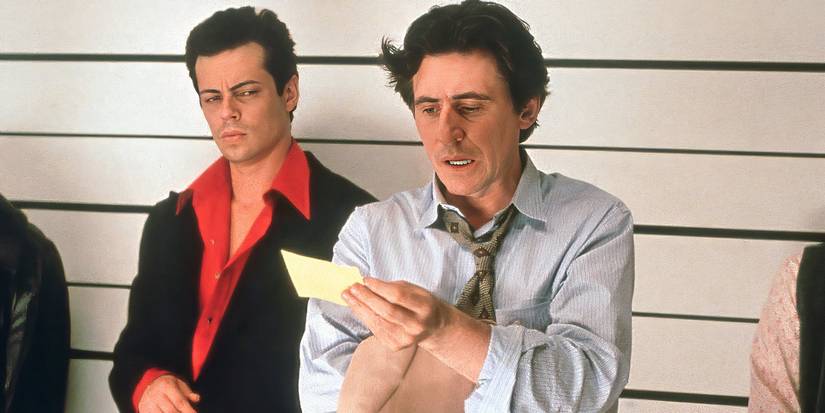
Imagine having the answer smack-dab right in front of your face the entire time, only for you to get snowed. That’s how many felt watching The Usual Suspects. In the iconic Bryan Singer film, written by Christopher McQuarrie, five career criminals — a corrupt ex-cop, Dean Keaton (Gabriel Byrne); hotshot Michael McManus (Stephen Baldwin); his partner, Fred Fenster (Benicio del Toro); hijacker Todd Hockney (Kevin Pollak); and a con man, Verbal Kint (Kevin Spacey) — are brought together for a police lineup who get roped into a complex heist orchestrated by a mythical crime lord, Keyser Söze. But who exactly is Keyser Söze? Perhaps one of the most iconic twists in cinematic history, The Usual Suspects forces audiences to reexamine not only this film but also every subsequent crime thriller they watch.
The Usual Suspects is a film you either love or love to hate. Why? Because it’s an unrelenting mystery that you likely misinterpreted the entire time. The film excels through its use of an unreliable narrator and masterfully constructed misdirection. From Kint’s perspective, there’s little reason to mistrust his story. Then, when you discover it was all a ploy, the masterful fabrication, partly constructed from items in the interrogation room, becomes a moment of sheer brilliance. There’s a reason why “the greatest trick the Devil ever pulled was convincing the world he didn't exist” is such an iconic line from the film — it epitomizes it wholly.
5 'North by Northwest' (1959)
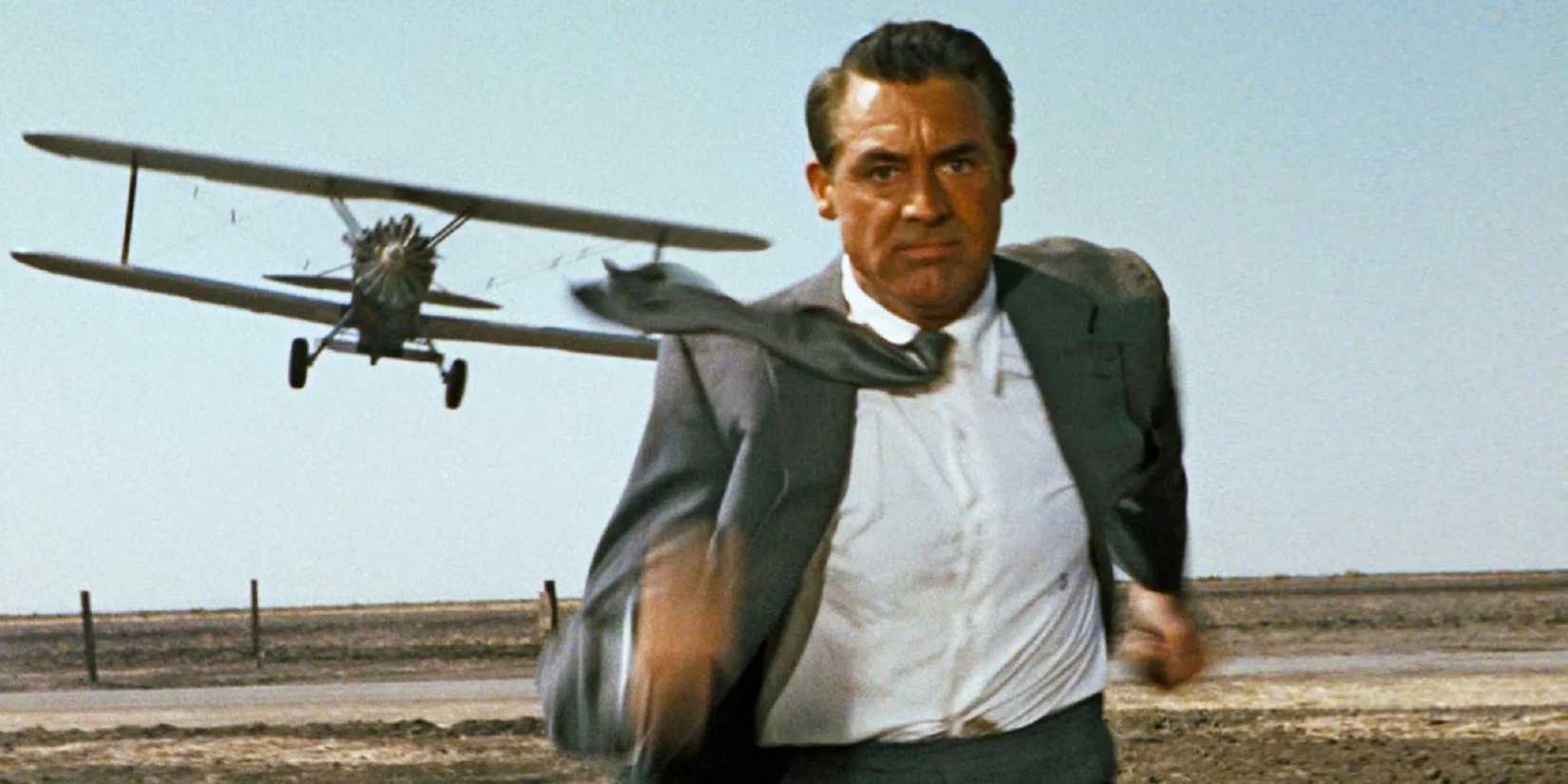
There will always be a heavy debate about what the greatest Alfred Hitchcock film is, but what’s always consistent is that North by Northwest will forever be a part of that conversation. Not only is it a monumental film for its craft, but the mystery at its heart remains one of the greatest thrillers. In the classic thriller, Roger Thornhill (Cary Grant), an advertising executive, is mistaken for a government agent named George Kaplan after being kidnapped and framed for murder. Pursued across the US by foreign spies led by Phillip Vandamm (James Mason), he meets a mysterious woman named Eve Kendall (Eva Marie Saint) and tries to clear his name. A mystery as to who he is framed to be, Thornhill learns that Kaplan is a fictional agent created by the CIA to distract Vandamm, and that Eve is actually an undercover agent. A brilliant blend of suspense, humor, and iconic set pieces, North by Northwest is more than just a story of survival for a man on the run; it’s a masterful mystery of why the series of events had to happen to him.
North by Northwest is Hitchcock at his finest, exploring the wrong man trope while crafting a sensational product. It’s a relentless thriller where Grant is eager to go all-in. A wonderful example of the MaGuffin, North by Northwest keeps the action moving as your mind races just as fast as Thornhill moves. Of course, the film will forever be revered for its sensational imagery against a wide spanning backdrop. Through kinetic camera movement and dramatic, high-angle shots, the evocative imagery elevates it to a top-tier level in the spy genre.
4 'Citizen Kane' (1941)

There’s no film quite as influential as Citizen Kane. Rather than a whodunit, Citizen Kane is a mystery of a man on a search for meaning. Directed by Orson Welles, the classic film explores the life and legacy of Charles Foster Kane, a wealthy, ruthless publishing tycoon whose dying word, "Rosebud," sparks reporter Jerry Thompson’s (William Alland) quest to uncover its meaning. While Jerry interviews friends and associates to understand the enigmatic final word, the interviews reveal a man who went from an innocent child to an arrogant, power-hungry tycoon who bought love and possessions to fill an emotional void. A sterling masterpiece that innovated non-linear storytelling, Citizen Kane made its mark with the “Rosebud” puzzle.
Loosely based on the life of William Randolph Hearst, Citizen Kane is a technical revelation. As such a cinematic wonder, it helps hammer home the brilliant “whydunnit.” With psychological motivations behind Kane's actions and his ultimate, lonely decline, Jerry serves as an audience proxy as he goes about his daring mission. A marvelous piece of cinema that can easily be regarded as the greatest film ever made, Citizen Kane’s ability to transcend genre and explore a mystery in a different frame elevates it more than we tend to imagine.
3 'Memento' (2000)
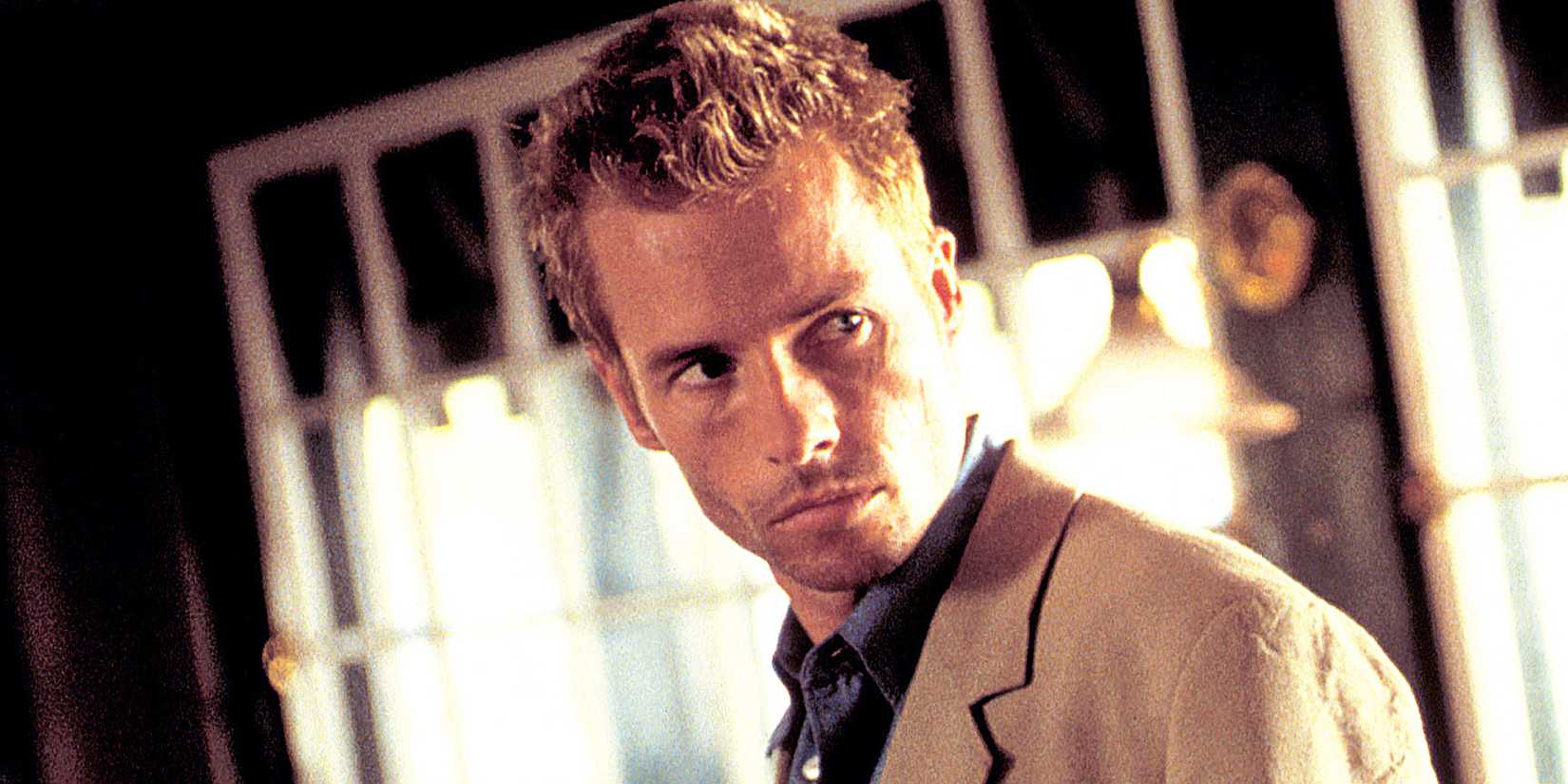
Many films have cemented Christopher Nolan as one of the greatest directors of the 21st century. The film that established that moniker was the brilliant mystery thinker, Memento. Based on a short story by his brother, Jonathan Nolan, the film tells the intriguing tale of Leonard Shelby (Guy Pearce), a man with anterograde amnesia. This condition causes short-term memory loss and prevents him from forming new memories. Using an elaborate system of photographs, handwritten notes, and tattoos, Leonard attempts to uncover the perpetrator, simply known as “John G,” who killed his wife and caused him to sustain the condition. With its nonlinear, specific storytelling mechanic, Memento works as a mystery in many layers.
A sharply intricate film in which black-and-white tells one story moving forward, while color tells the story moving backward, Memento’s alternating timelines collide to create an immersive, cerebral puzzle. As Leonard is searching for answers, we’re using the clues to decipher the connection between the timelines. A perfectly directed film, Nolan’s painstaking focus and subjective perspective are executed, which gives us the answers. It’s just up to us to figure it out. This is a film that demands attention, and the more closely you watch, the richer the film becomes. At the core of the film, memory, identity, and perception shape every technical choice that informs Leonard’s psyche, adding another layer to the psychological mystery. Memento is a masterpiece that leaves your jaw on the floor upon the twist you never saw coming. That’s a mark of a great mystery.
2 'Se7en' (1995)
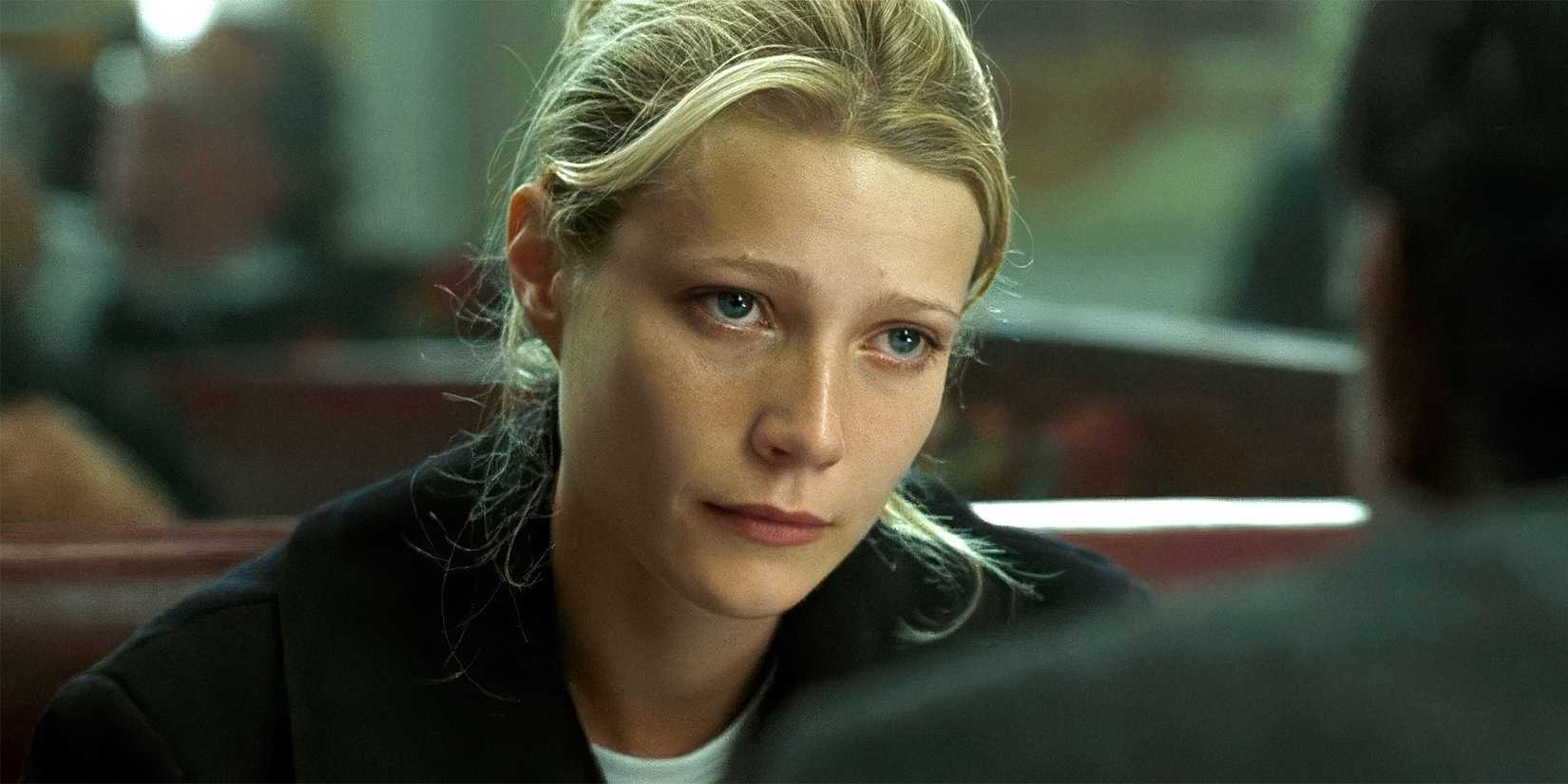
Society has had a mind-boggling obsession with the Seven Deadly Sins. It serves as a brilliant theme in which to pull out the worst in humanity. But after David Fincher’s sensational Se7en, our perception of the Seven Deadly Sins forever changed. A thrilling mystery that leaves you shocked, the Andrew Kevin Walker-written film follows disenchanted, nearly retired Detective Lieutenant William Somerset (Morgan Freeman) and his newly transferred partner David Mills (Brad Pitt) as they try to stop a serial killer from committing a series of murders based on the seven deadly sins. A brutal, gruesome crime thriller, Se7en went beyond the typical police procedural to deliver something thought-provoking and intelligent, while still shocking. Thanks to Se7en, we’ve become quite resistant to opening packages.
Se7en wasn’t necessarily a mystery in the sense that you didn’t know who did it; it was more so how he would do it. In doing so, the film was a dark examination of evil through the terrifying John Doe (Kevin Spacey), who became one of the most brilliant murderers to ever appear on film. Again, the box. Every other sin was gruesome, but the contents of the box were beyond anything we had seen before. Unafraid to be graphic in exposing its deep themes, Se7en pushed the audience to the brink, yet made them ultimately unwilling to tap out. A quintessential '90s crime thriller, Se7en is one of the most alluring films ever made. Any story that uses the Seven Deadly Sins in its crime spree is officially derivative.
1 'Rear Window' (1954)
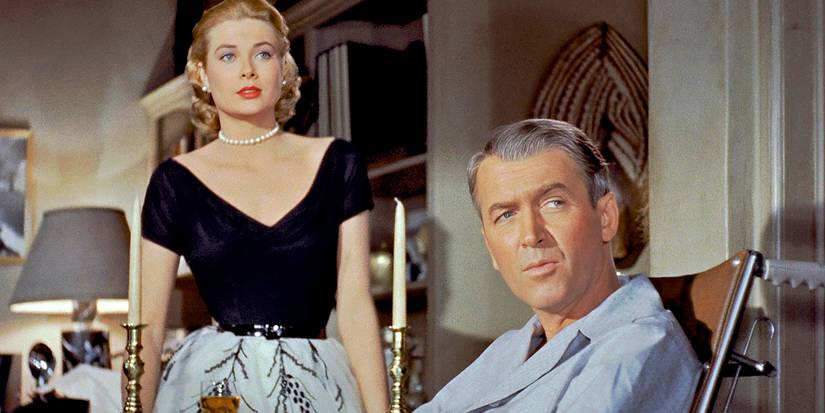
After watching Alfred Hitchcock’s brilliant masterpiece Rear Window, it’s safe to say you’ll keep your blinds shut for your own safety. In the 1954 thriller, professional photographer L.B. "Jeff" Jefferies (James Stewart) is stuck in his wheelchair with a broken leg. He soon becomes obsessed with watching his neighbors in the apartment courtyard across the way. During a summer heatwave, he suspects his neighbor, Lars Thorwald (Raymond Burr), of murdering his wife. He enlists his socialite girlfriend, Lisa (Grace Kelly), to help investigate the suspicious events unfolding in the courtyard. Filmed almost entirely within the confines of Jeff's apartment, the film is voyeurism at its finest. A mystery of limitations, Rear Window presents a dangerous game that culminates in a shocking twist.
In masterful control of the narrative, Hitchcock's ability to deliver thrills through a simple point of view proves his knack for providing thrills without frills. The most daring, extravagant piece of direction comes in Hitchcock’s ability to craft a claustrophobic atmosphere — one in which you’re forced to question the truth as misunderstood clues and red herrings create ambiguity about human behavior. Rear Window is one of many Hitchcock films that helped influence an array of pictures that followed. At the end of the film, Rear Window is a mesmerizing cautionary tale about privacy and how what we do in our own homes may not be for our eyes only.

Rear Window
- Release Date
- September 1, 1954
- Runtime
- 112 minutes
- Director
- Alfred Hitchcock
- Writers
- John Michael Hayes
-

James Stewart
L.B. 'Jeff' Jefferies
-
Grace Kelly
Lisa Fremont
KioskNews shows a cleaned-up reading view extracted from the publisher’s page — the original always lives on their site, not ours.