Delhi plans bottle-return scheme, taking a cue from Uttarakhand and Goa
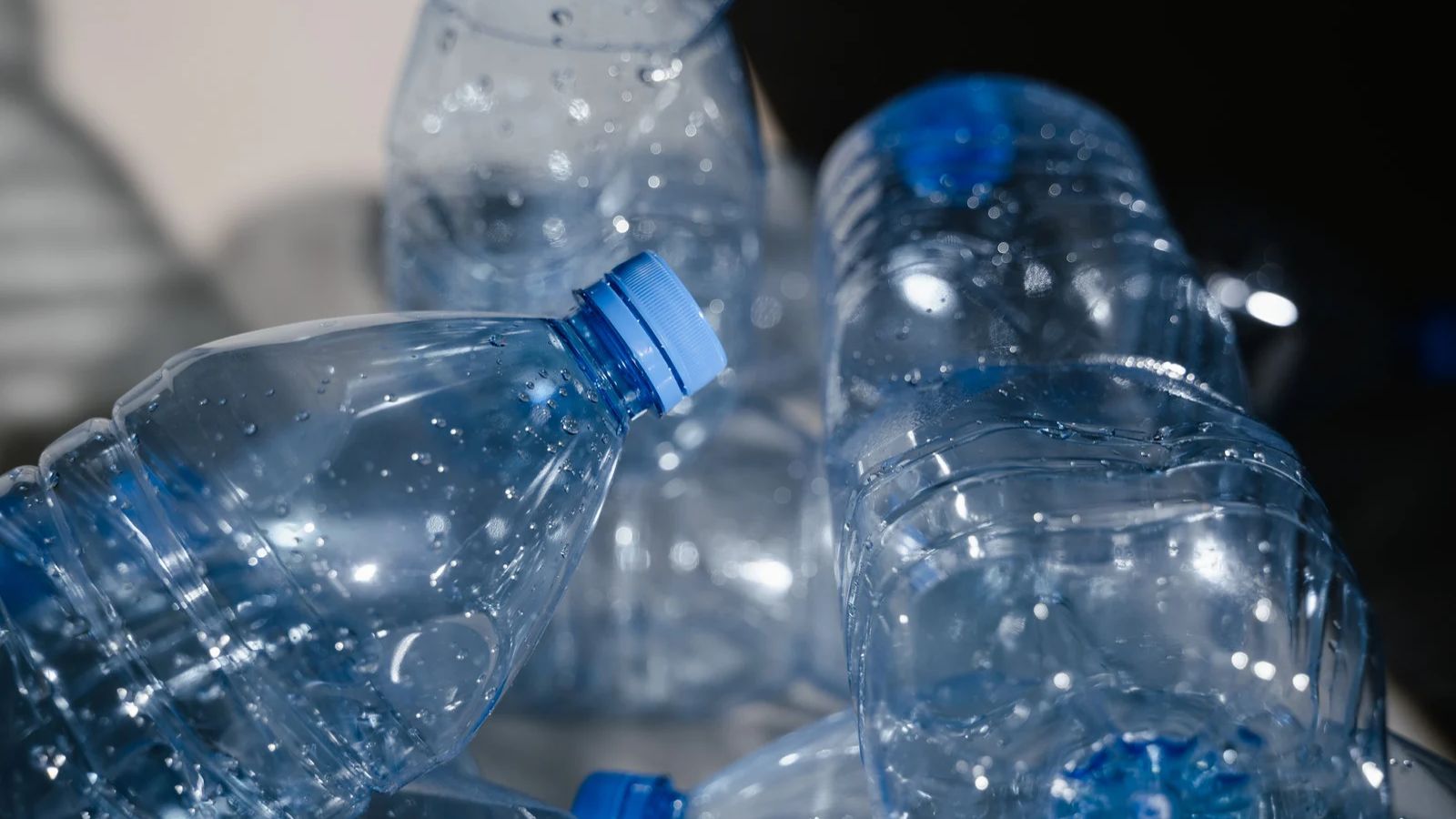
Delhi is considering a scheme to encourage people to return used plastic bottles for recycling, taking a cue from Uttarakhand and Goa, where similar initiatives are already in place. Under the proposed scheme, consumers may have to pay an additional Re 1 or Rs 2 when buying a bottle and get the amount back when they return it at a designated collection point, The Indian Express has learnt.
The proposed Deposit Refund Scheme (DRS) aims to create a more organised system for collecting plastic waste and encourage people to move away from the “use and throw” culture towards “use, return and recover”, officials said.
The government is considering starting the initiative as a pilot project at tourist destinations before expanding it to other parts of the capital, officials said. The mechanism is expected to involve QR codes on bottles, which would help consumers claim their refunds after returning them.
According to a Delhi government report, the national capital generates around 1,500 tonnes of plastic waste daily, of which 19% remains unprocessed. Single-use plastic items, including bottles and bags, were banned across India in 2022.
A meeting to discuss the approval and implementation of the scheme was held on October 6 under Environment Minister Manjinder Singh Sirsa. Suggestions were sought from Dr Anthony De Sa, former chairman of the Goa Deposit Refund Scheme Authority, and Dr Ankur Kansal, chief environment officer of the Uttarakhand government.
Uttarakhand, Goa offer models
Uttarakhand’s experience with the scheme is among the models being examined by the Delhi government.
Kansal told The Indian Express that the state introduced the initiative in Kedarnath in 2022 as a pilot project as a large number of tourists and pilgrims visit the area.
Story continues below this ad
“The scheme received a very good response. Its success also helped us receive a Digital India Award from the Centre. It was subsequently expanded to other locations in the state,” he said.
Kansal said the bottle-return rate in Uttarakhand increased significantly since the scheme’s introduction. “Initially, the collection rate was around 20-22%. It has now reached nearly 90%. We have fixed the deposit at Rs 10 per bottle, though the amount can vary depending on the size of the bottle or can,” he said.
Goa has also implemented a similar scheme, with a deposit of Rs 5 on plastic bottles. The initiative was introduced on April 1 under De Sa’s supervision.
The Deposit Refund Scheme is also in place in several countries, including Singapore, Hong Kong and the United Kingdom, where financial incentives are used to encourage the return of beverage containers.
Story continues below this ad
Next steps
Officials said a formal draft of Delhi’s scheme was being prepared following consultations with stakeholders. It will be taken through the necessary approval process before implementation.
The final framework, including the deposit amount, collection network and refund mechanism, is yet to be finalised, officials said.
The government is also expected to seek the participation of schools, colleges and Residents’ Welfare Associations (RWAs) to spread awareness and encourage public participation once the framework is finalised. “The aim is to bring about behavioural change among people and make them understand their responsibility towards the environment,” an official source said.
KioskNews shows a cleaned-up reading view extracted from the publisher’s page — the original always lives on their site, not ours.