California has way more bugs than we thought
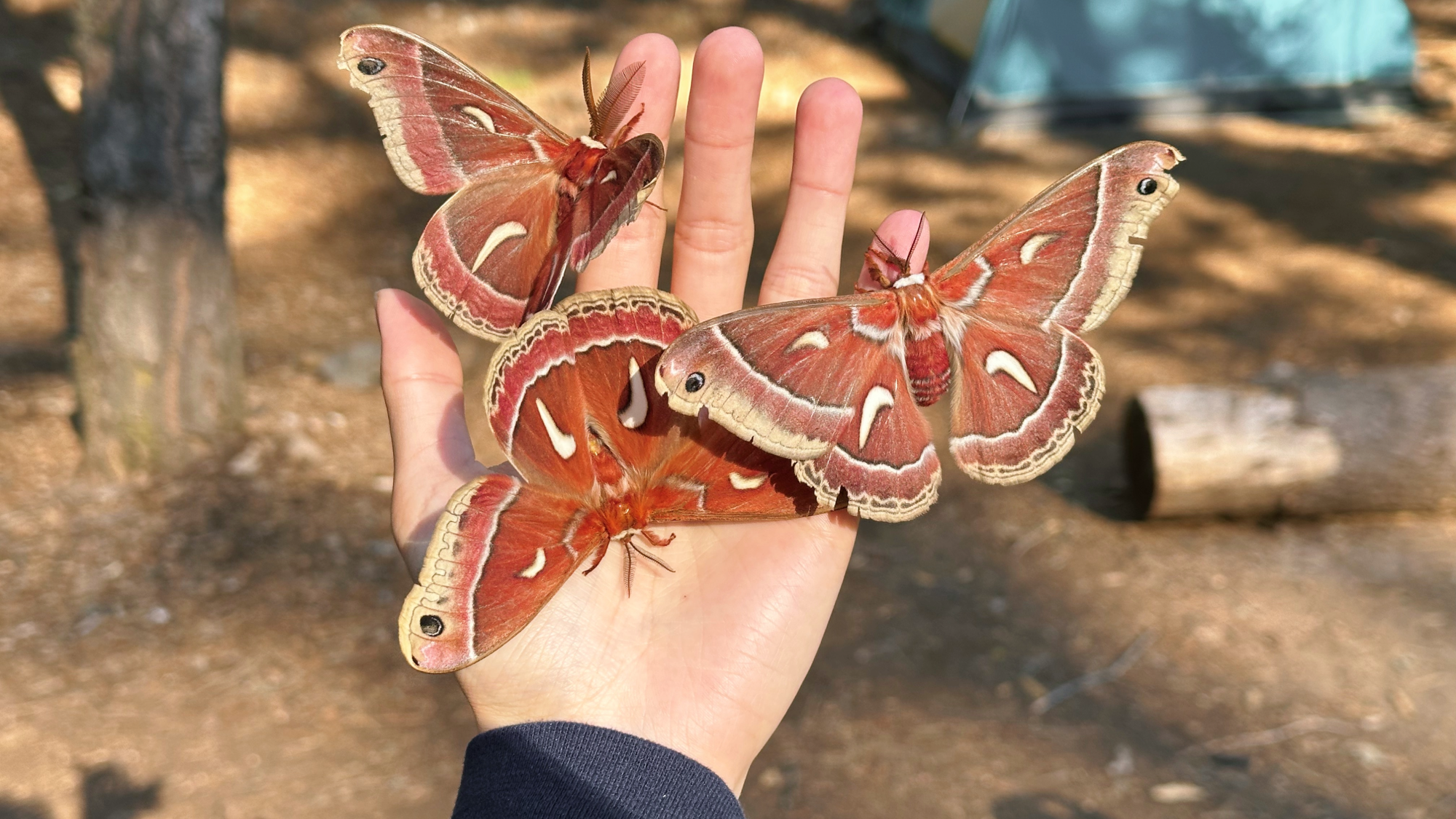
It’s true that there are more insects on Earth than any other animal. They make up roughly 80 percent of the planet’s animals and include about 900,000 known species. However, those jaw-dropping numbers can make it easy to undercount our six-legged friends. Take the state of California. Over 60,000 different species of insects reside in the Golden State, and scientists have only described about two-thirds of them. A study published today in the journal Ecography details the findings, which represents a huge bump in the estimated number of insects in California.
The study is part of the California Insect Barcode Initiative (CIBI), a $6 million project to collect and identify every species of insect in the state. Multiple institutions including the California Department of Food and Agriculture, UC Berkeley, UC Riverside, San Diego Natural History Museum, the California Academy of Sciences in San Francisco, and Natural History Museum of Los Angeles County (NHM) worked together to DNA barcode over one million insect specimens.
To build the insect library, the team gathered tissue samples from museum collections and caught living insects in 72 ecoregions around the state. Ecoregions are places that have similar ecosystems as defined by the Environmental Protection Agency (EPA). They also undertook research expeditions to 454 additional locations across California, and used Malaise traps to gather the insects. Malaise traps passively capture bugs, but require a bit of work to maintain.
“This is an example of community science. Volunteers stepped forward to help with sampling by managing traps, which we would not have been able to do for continuous weekly sampling,” Giar-Ann Kung, a study co-author and NHM Entomology collections manager, said in a statement.
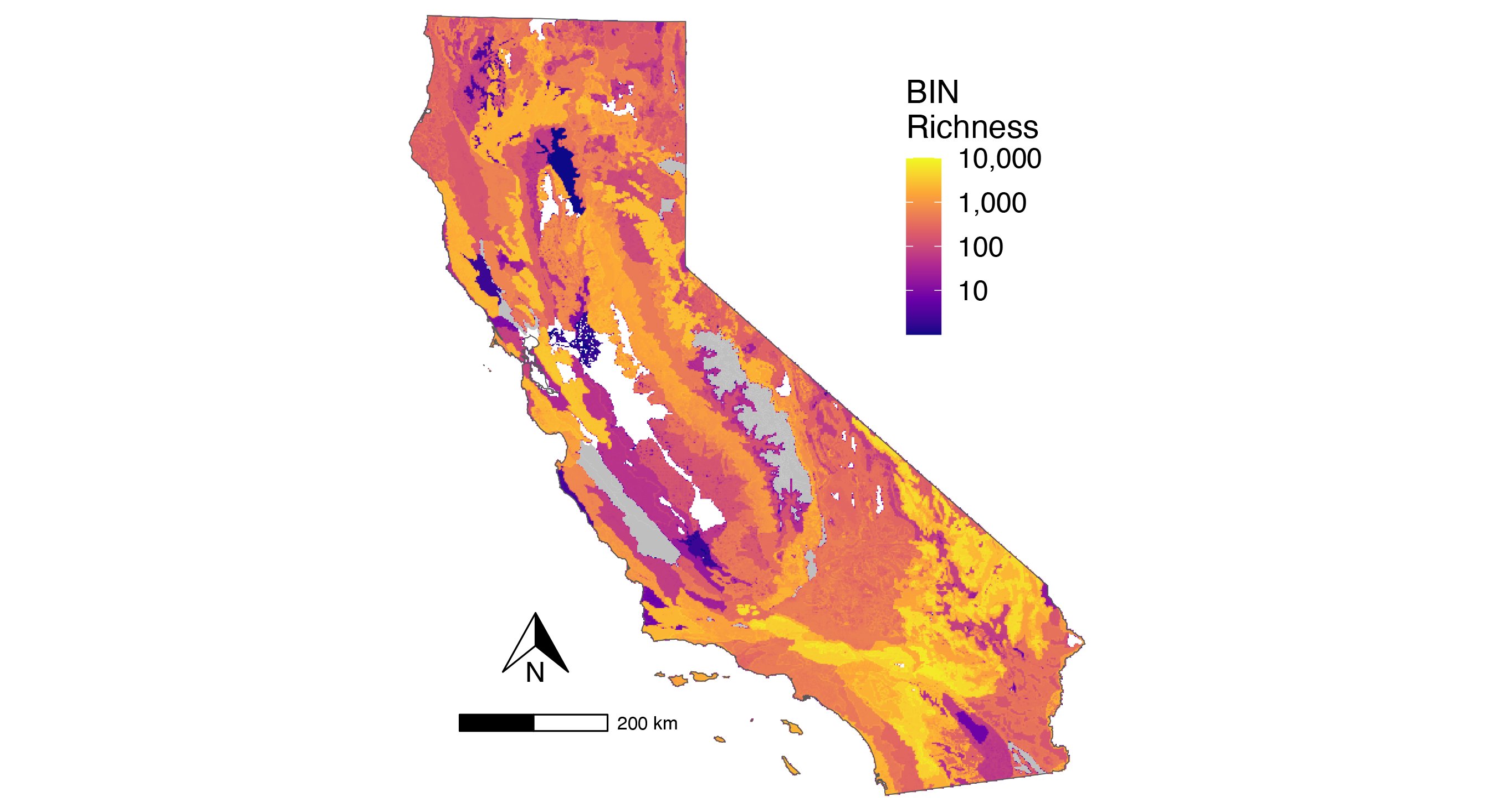
The study looked at Level 3 ecoregions, which include places like the Mojave Basin and Range, Southern California Mountains, and Sierra Nevada. They found that the Mojave Basin and Range have the highest insect species richness.
The team also compared parallel ecoregions and found that each one is home to its own unique mix of insect life, even if they have a similar climate and geography. While there are parallels between locations within the same ecoregion, the team found that the richness of life across California is more abundant and more delicate than previously thought. Researchers say that these results highlight the need for more aggressive conservation of California’s wild places to protect the insects living there.
KioskNews shows a cleaned-up reading view extracted from the publisher’s page — the original always lives on their site, not ours.