80% of Delhi's pollution Monday due to crackers
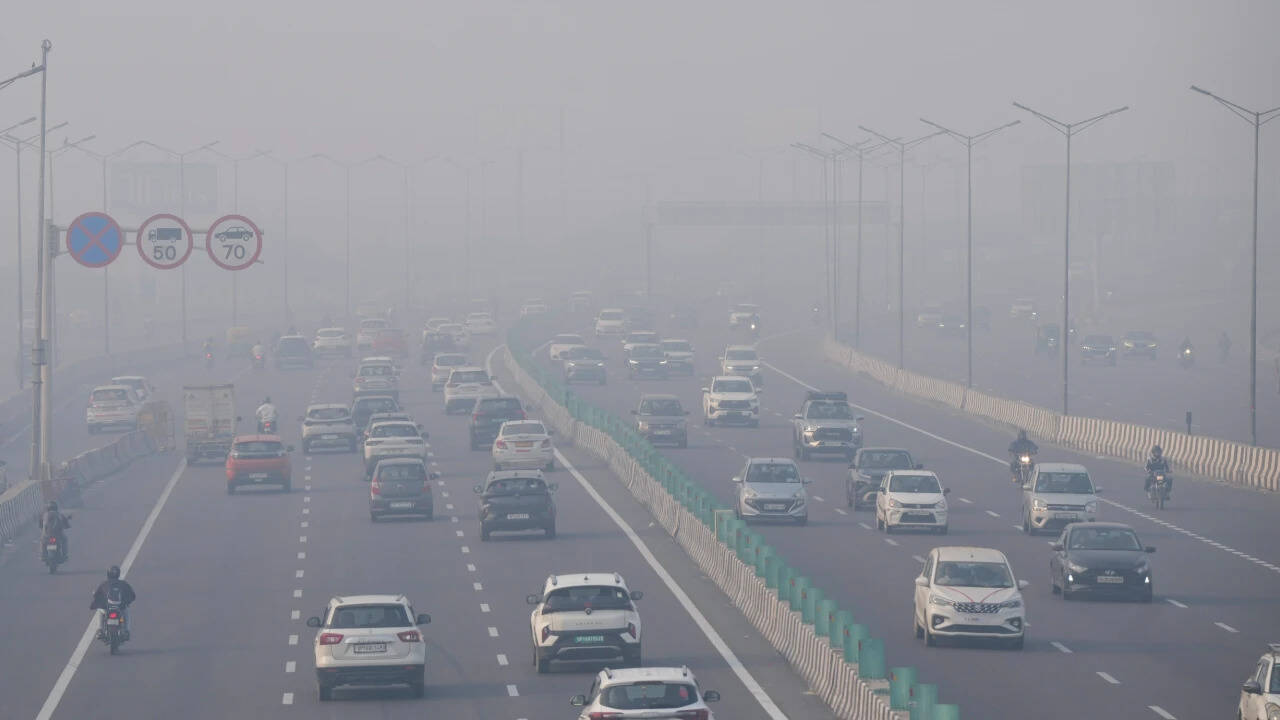
NEW DELHI: Firecracker emissions accounted for more than 80% of Delhi's pollution load on Monday, a day after Diwali, according to the Indian Institute of Tropical Meteorology's models, highlighting the sharp impact of fireworks on the capital's air quality.
The contribution came even as the city was already battling high pollution levels from multiple sources.The situation, however, showed some improvement on Tuesday, with the AQI at 299 at 4pm, bringing it into the 'poor' category from 'very poor' a day earlier. However, it deteriorated to very poor by 6pm with an AQI of 302.Toxins from Diwali firecrackers lingered on Tuesday as well, with IITM showing 29.9% of pollution contribution due to firecrackers between 1am and 9am, while secondary organic compounds - formed due to chemical reactions of emitted particles in air - were the secondary source at 17.5% of net pollution on Tuesday. IMD attributed cleaner air to favourable wind, which helped disperse pollutants accumulated over the city and barred intrusion of stubble smoke from neighbouring states.Vehicular emissions third biggest source of pollution day after DiwaliThe easing came despite a significant number of farm fires being reported in neighbouring Punjab. An assessment of the decision support system for air quality management indicated that stubble burning was not a major contributor to Delhi’s pollution load on Monday. This suggests that the immediate post-Diwali pollution spike was driven primarily by local fireworks rather than a major influx of crop-residue smoke.
The high contribution from firecrackers followed a sharp deterioration in air quality during the festival. Delhi’s average AQI was 376 on Diwali, Nov 8, the highest recorded for the festival in five years. It remained in the ‘very poor’ category on Monday, with the city waking up to a thick layer of smog and several monitoring stations reporting severe air quality.IITM’s model estimates the contribution of different sources to the city’s particulate pollution a day after Diwali on Nov 9, including secondary organic compounds, at 5.8%, the second dominant source, and vehicular pollution at 4.4%, the third biggest source. However, the city’s air quality will depend on how effectively winds disperse the remaining pollutants and on emissions from routine sources.
KioskNews shows a cleaned-up reading view extracted from the publisher’s page — the original always lives on their site, not ours.