DOH aims to vaccinate over 2M students vs HPV under Bakuna Eskwela
Make this your preferred source to get more updates from this publisher on Google.
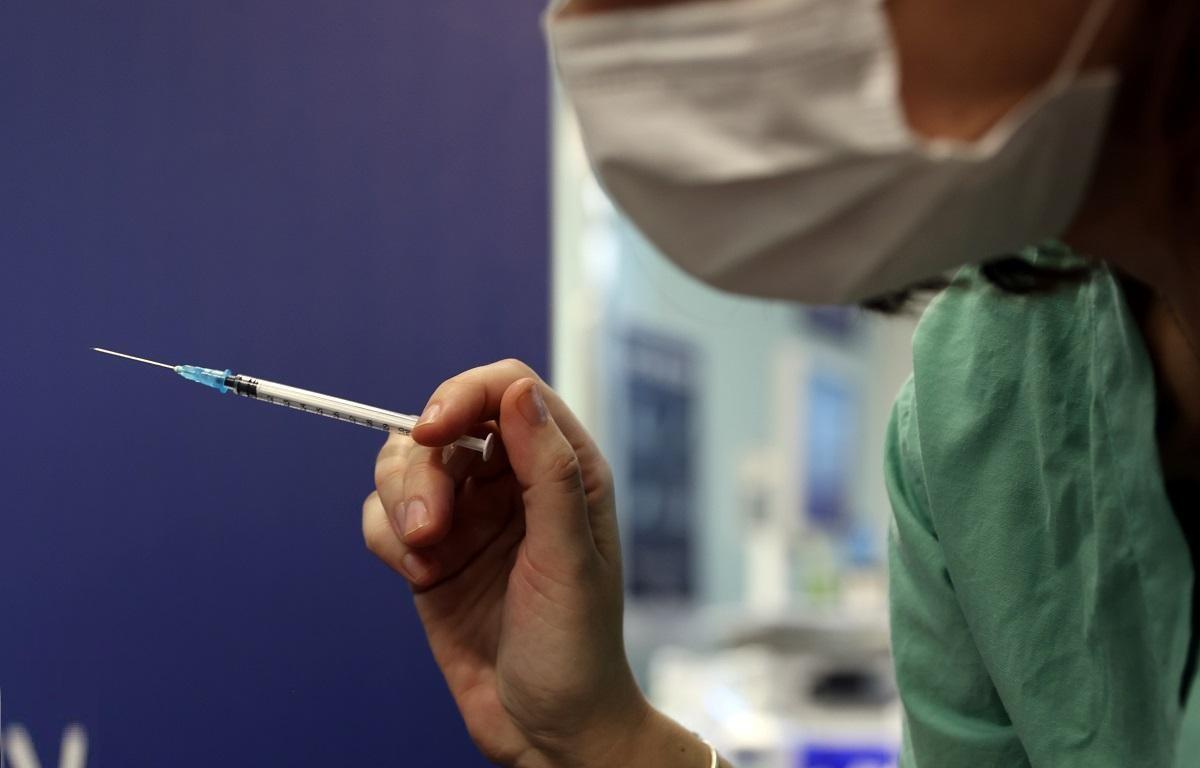
The Department of Health (DOH) on Monday said it aims to vaccinate two million students against Human Papillomavirus (HPV), a virus that causes cervical cancer, under the Bakuna Eskwela program.
"Our target for HPV is around 2.007 million learners from Grades 4 and 5 from public and private schools,” Alethea de Guzman, DOH Epidemiology Bureau director, said in a virtual media briefing.
“And of these approximately two million learners, around nine percent are estimated to be out-of-school youth,” she added.
Bakuna Eskwela is an annual school-based immunization program of DOH and the Department of Education.
The ongoing immunization program offers vaccines against cervical cancer, measles, German measles (rubella), tetanus, and diphtheria.
As of 2022, there are 7,829 cervical cancer cases recorded in the Philippines, De Guzman said.
According to the World Health Organization, the top five cancers in the Philippines are breast (28,124 cases), colorectal (7,899 cases), cervical uteri (7,829 cases), thyroid (6,450 cases), and corpus uteri (5,626 cases).
De Guzman also called for raising awareness about cervical cancer and its prevention.
"Alam natin ang mga nanay, tatay, ‘yung mga caregivers naman ang nagde-decide para sa ating learners and we encourage them, we empower them to have the right information and hopefully, with that, they consent so that their children payagan na po talaga na mabigyan po ng HPV vaccine po natin," she said.
(We know that parents and caregivers make decisions on behalf of our learners. We encourage and empower them with the right information so they can give their consent and allow their children to receive the HPV vaccine.)
Nelinda Catherine Pangilinan, specialty center head of Rizal Medical Center, earlier said reproductive health should be included in the basic education curriculum, as more cases of cervical cancer have been observed among young Filipino patients.
"What we want is to have an education campaign or a curriculum to include how to take care of oneself, and at the same time, sexual reproduction or reproductive health that should be incorporated already in the curriculum," Pangilinan told reporters.
She said Filipino patients as young as 20 years old have been diagnosed with cervical cancer.
Some of the patients were found to have engaged in sexual intercourse as young as 14 years old and have had three or more sexual partners.
"I do not know if it might be in the trend right now, or the value of sex is just part of a common activity," Pangilinan said, adding that cervical cancer is usually diagnosis to patients 30 years old and above. —RF, GMA News
KioskNews shows a cleaned-up reading view extracted from the publisher’s page — the original always lives on their site, not ours.