8 Fantasy Books More Influential Than Harry Potter

Diego Pineda has been a devout storyteller his whole life. He has self-published a fantasy novel and a book of short stories, and is actively working on publishing his second novel.
A lifelong fan of watching movies and talking about them endlessly, he writes reviews and analyses on his Instagram page dedicated to cinema, and occasionally on his blog. His favorite filmmakers are Andrei Tarkovsky and Charlie Chaplin. He loves modern Mexican cinema and thinks it's tragically underappreciated.
Other interests of Diego's include reading, gaming, roller coasters, writing reviews on his Letterboxd account (username: DPP_reviews), and going down rabbit holes of whatever topic he's interested in at any given point.
Sign in to your Collider account
Upon publication back in June of 1997, J. K. Rowling's Harry Potter and the Philosopher's Stone (released in the United States as Harry Potter and the Sorcerer's Stone) became a financial juggernaut, and still remains among the best-selling fiction books of all time. The book also kicked off one of the most successful and iconic media franchises in history, including a book series that has gone down in history as one of the most influential in the history of the fantasy genre.
Influential though the Harry Potter books may be, there are eight particular fantasy books which have proven to be even more influential as the years have passed. Whether we're talking about foundational cornerstones of the genre from the 19th century, such as Alice's Adventures in Wonderland; or about far more modern genre-defining novels, such as A Game of Thrones, one thing is certain: Though Rowling's magnum opus is undoubtedly among the most influential works of fantasy literature in history, it's not exactly at the top of the pyramid.
8 'Alice's Adventures in Wonderland' (1865)

Before 1865, children's literature in Victorian England existed mostly as a way to teach kids how to be obedient and well-behaved through strictly moralizing stories. Lewis Carroll changed that. When he published Alice's Adventures in Wonderland, still worthy of being considered one of the most fun children's books of all time, he showed that children's literature could also serve the goal of purely being entertaining and whimsical, nourishing kids' imaginations.
There would be no Harry Potter without what Alice's Adventures in Wonderland achieved for the genre.
There would be no Harry Potter—nor virtually any English-language fantasy book for kids, for that matter—without what Alice's Adventures in Wonderland achieved for the genre. It's a masterclass in literary nonsense and kid-friendly wordplay, with some of the most imaginative world-building of any fantasy novel from the 19th century. It's fun, it's delectably surreal without alienating its target age demographic, and its satirization of Victorian social norms and literary tropes should also make it profoundly enjoyable for adults, just like it was 161 years ago.
7 'A Wizard of Earthsea' (1968)
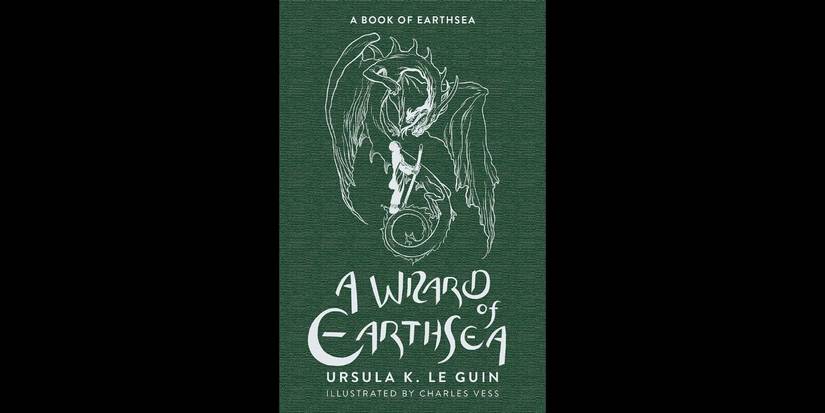
Ursula K. Le Guin is by far one of the greatest and most important authors in the history of speculative fiction, her EArthsea Cycle standing out as one of the most influential fantasy book series in the genre's history. Most fans tend to agree on what the best book in the series is: A Wizard of Earthsea, one of those fantasy books that are a masterclass in prose, published while Tolkienesque formulas still ruled the fantasy literary space. Those conventions were then shattered forever.
Long before J. K. Rowling invented Hogwarts, Ursula K. Le Guin created the School of Roke, largely credited as the first fully-formed school for wizards in all of fantasy literature. Add to that non-Western aesthetics which were very rarely seen in fantasy books from the Western world, as well as some of the richest and most intricate world-building that the genre has ever produced, and there should be no room for doubt as to what has allowed Wizard of Earthsea to continue having such a tremendous impact decades after its publication.
6 'The Wonderful Wizard of Oz' (1900)

Well before 1939's The Wizard of Oz (one of the best fantasy movies based on books) completely blew the franchise's popularity into the stratosphere, L. Frank Baum created the Wizard of Oz series with the publication of The Wonderful Wizard of Oz. Strongly inspired by the classic fairy tales of the Brothers Grimm and by Lewis Carroll's Alice's Adventures in Wonderland (which was only slightly older from Baum's perspective at the time than Sorcerer's Stone is to us today), it served as a foundational building block for modern American fairy tale storytelling.
It's a 19th-century classic unlike any other, uniquely American in its aesthetics and thematic concerns yet also one of the most universally endearing fantasy stories in the history of children's literature. Baum specifically sought out to write a story that would please children without giving them nightmares, rejecting the tropes of old dark folk tales and introducing optimism, kindness, and innocence to modern American fantasy literature. A whopping 126 years later, its impact can still be felt across the entire genre, including in the Harry Potter universe.
5 'A Game of Thrones' (1996)
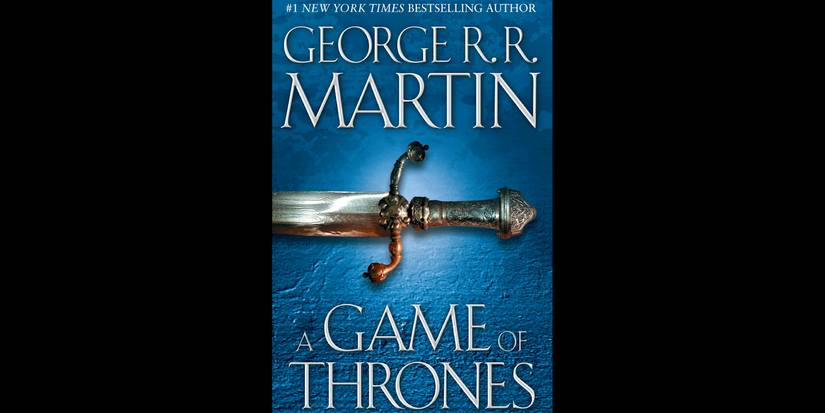
After a long period of mostly working in television, George R. R. Martin made his triumphant return to prose fiction with A Game of Thrones. Little did he probably know, he was creating what would soon become one of the most influential fantasy books of all time. Indeed, before it inspired the creation of HBO's Game of Thrones—itself among the most influential fantasy TV shows in history—, the book proved just how far epic fantasy specifically, and fantasy literature in general, had come from their heavily Tolkien-inspired days.
The start to Martin's A Song of Ice and Fire may not be the best book in the series, but it sure has proven to be the most influential as the years have passed. Subverting the Tolkienesque model of the classic fantasy Hero's Journey, Martin helped greatly popularize grimdark fantasy and proved how dark, morally ambiguous, and politically complicated the genre could be going into the late '90s. Indeed, the book's fantastical elements are all in favor of one of the most realistic epic high fantasy tales the world had ever seen.
4 'The Lion, the Witch and the Wardrobe' (1950)
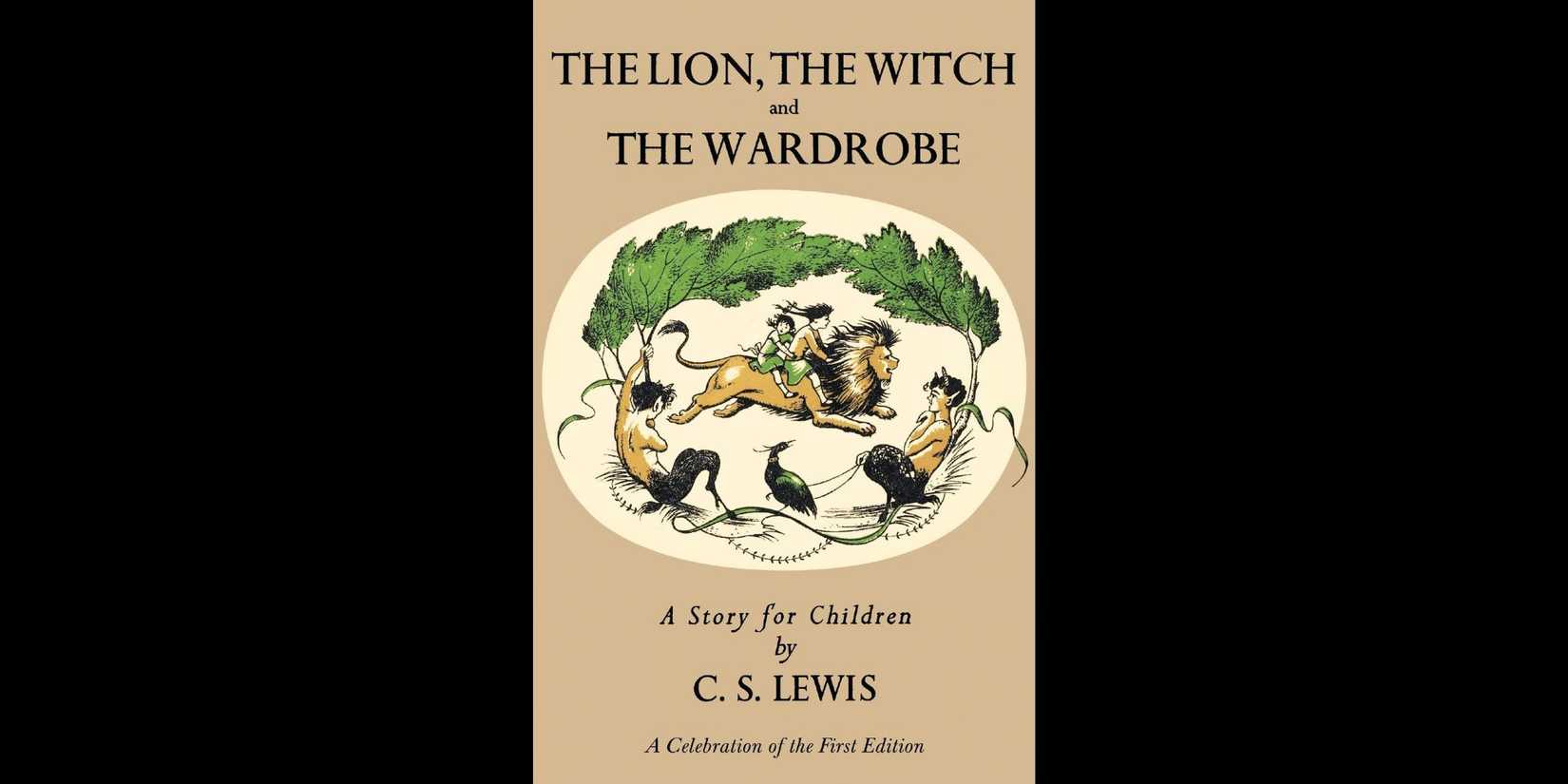
C. S. Lewis had a close friendship with J. R. R. Tolkien, and the success of The Hobbit inspired him to write the first and best-known of the novels in The Chronicles of Narnia: The Lion, the Witch and the Wardrobe, a blend between overt Christian theology and the portal fantasy genre which was unlike anything else the world had seen up to that point. Though it received mixed reviews and was only moderately successful financially upon publication, it would be over the years that it would become as vastly influential as it is today.
Perfect blend of Christian allegories and mythological influences making it universally accessible for virtually anyone who loves fantasy.
On top of specifically revolutionizing portal fantasy, Lewis helped re-define children's fantasy literature and set a new standard for world-building for the genre. With its perfect blend of Christian allegories and mythological influences making it universally accessible for virtually anyone who loves fantasy, it's one of the most essential fantasy books for beginners. Rarely before had an English-speaking author ever treated young readers with such dignity and emotional weight, and that has also influenced many a fantasy book for kids over the years.
3 'The Hobbit' (1937)
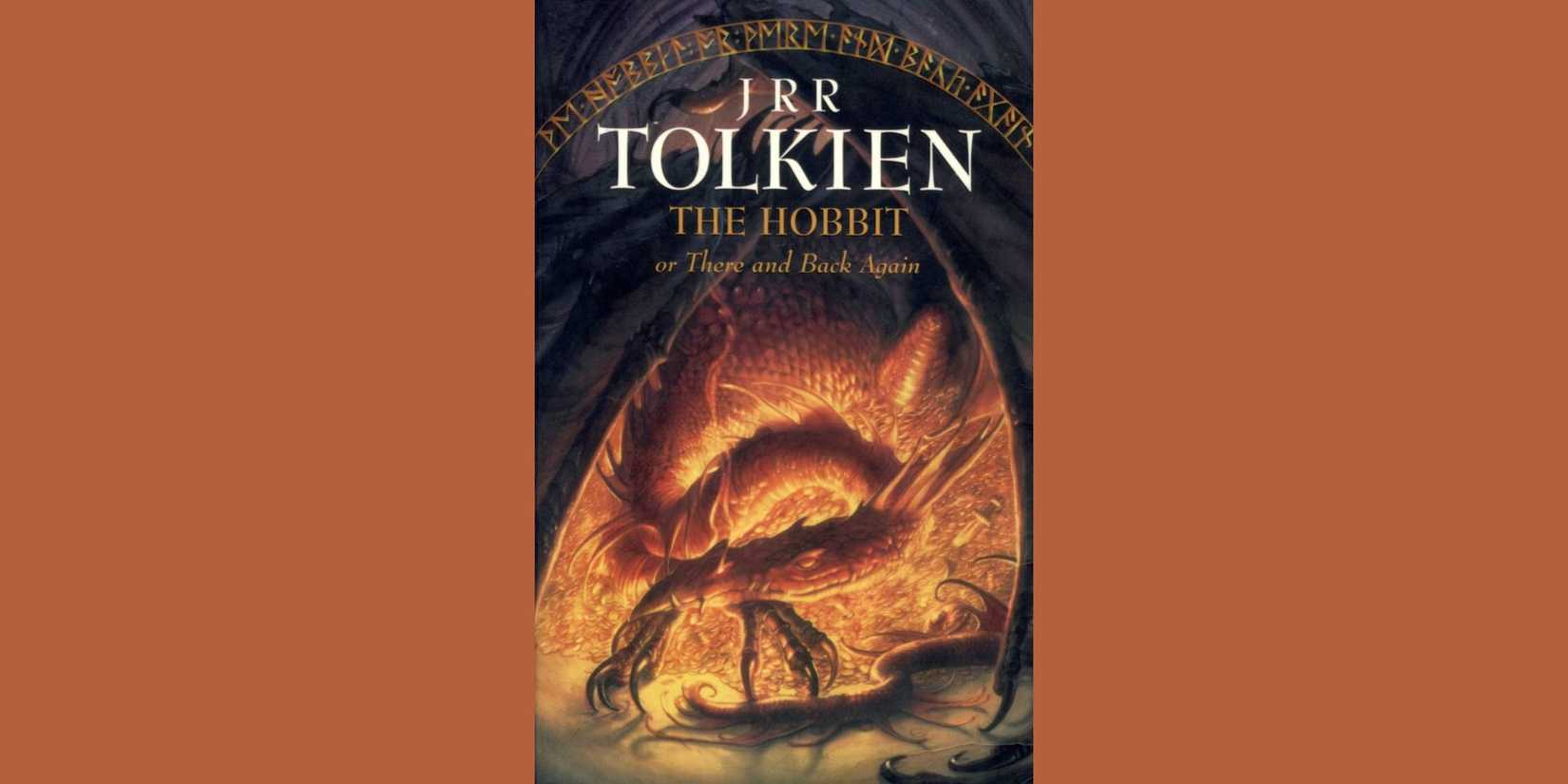
Upon publication, J. R. R. Tolkien's The Hobbit was an immediate commercial and critical success, winner of several awards and praised by critics who called it one of the most delightful children's books of all time. The idea was born out of Tolkien's love of telling stories to his children and his deep academic background in classic mythology, and out of that came a novel which is still widely remembered as the most foundational children's fantasy novel of the whole 20th century.
It's one of those fantasy books where every chapter is a masterpiece, and people recognized that right away. As such, its impact on the genre was pretty much immediate. By blending the richly detailed foundations provided by his academic background with ancient European folklore and an approachable narrative voice, Tolkien wrote a book that's not only a potentially phenomenal introduction to fantasy for younger readers, but a must-read for anyone who loves the genre—regardless of their age.
2 'The Hour of the Dragon' (1935–1936)

More broadly, it's any and all stories involving Robert E. Howard's Conan the Barbarian, one of the best book antiheroes of all time, that could be counted among the most influential fantasy stories in history. It was The Hour of the Dragon, however (also known as Conan the Conqueror), that was the first full-length proper novel based around Conan. Originally serialized in the pulp magazine Weird Tales, the book has become essential reading for anyone who likes the sword-and-sorcery genre.
Before Tolkien laid the foundation for modern high fantasy, Howard created a darker, bloodier, more mature side of the genre, which has remained among the most seminal works of modern speculative fiction. On top of designing the blueprint for the sword-and-sorcery genre, which, as a whole, is among the most influential subgenres of fantasy in history, Hour of the Dragon has also influenced many a movie, tabletop game, and video game. Without it, pulp fantasy would simply not be anywhere near the same.
1 'The Lord of the Rings' (1954–1955)

There's not really much of a question about it: J. R. R. Tolkien's The Lord of the Rings is almost universally recognized as not only one of the most ambitious fantasy books of all time, but also the greatest, most important, and most influential of the 20th century. Tolkien was initially reluctant to write the book, and it actually wasn't quite as successful as The Hobbit immediately upon publication. Over the years, though, it has come to be praised by many as the most essential cornerstone of the entire fantasy genre.
Published in three volumes even though it's technically all a single gargantuan fantasy epic, Lord of the Rings took what The Hobbit built and ran with it, proving that speculative fiction could reach the very peak of literary artistry and cultural impact. For decades after it attained a tremendous level of success, there was virtually no high fantasy novel coming out which wasn't inspired by Tolkien to some degree. Even today, you'd be hard-pressed to find an epic fantasy book that's not trying to either emulate or subvert Lord of the Rings.
Collider Exclusive · The Sorting Hat Awaits Which Hogwarts House Are You? Gryffindor · Slytherin · Hufflepuff · Ravenclaw
Four houses. One destiny. The Sorting Hat has considered thousands of students — now it's your turn. Answer honestly and discover where you truly belong at Hogwarts School of Witchcraft and Wizardry.
🦁Gryffindor
🐍Slytherin
🦡Hufflepuff
🦅Ravenclaw
01
What quality do you value most in yourself? Answer as honestly as you can — the Hat always knows.
02
A friend is being treated unfairly. What do you do? How you protect others says everything about who you are.
03
What does success look like to you? What you're working toward defines who you're becoming.
04
What is your greatest fear? Fear is the most honest thing about a person.
05
The rules say no. Your gut says go. What do you do? Every institution has rules. What you do with them is a choice.
06
What kind of friend are you? Who you are to the people you love is who you really are.
07
You look into the Mirror of Erised. What do you see? The mirror shows the deepest desire of your heart.
08
The Sorting Hat pauses. It whispers: "You could do well in any house. But what matters most to you — truly?" This is your tiebreaker. The Hat always listens.
The Sorting Hat Speaks Your House Has Been Chosen
After careful deliberation, the Sorting Hat has made its decision. This is the house your values, your instincts, and your particular way of being in the world were made for.
🦁 Gryffindor
You have nerve. Not the reckless kind, but the deep, quiet courage that shows up even when you're terrified — especially then.
- Gryffindors don't act because they're fearless — they act because they understand that some things are worth being afraid for.
- You stand up for people when it would be easier to look away.
- You charge toward what's right even when the odds are terrible.
- Harry, Hermione, Ron — the heroes of Hogwarts's greatest chapter — all called the tower with the scarlet and gold home. And now, so do you.
🐍 Slytherin
You are driven, sharp, and utterly clear-eyed about what you want and how to get there.
- Slytherin has long been misunderstood — painted as the house of villains when it is, at its best, the house of those who refuse to accept limits placed on them by others.
- You are resourceful, strategic, and you play the long game.
- You know your worth. You protect your own fiercely.
- The dungeon common room with its view of the Black Lake is yours — and the ambitions that will take you further than anyone expects are yours too.
🦡 Hufflepuff
You are the kind of person that makes the world genuinely better just by being in it.
- Hufflepuff is not the "safe" house or the "leftover" house — it is the house of those with the greatest heart and the most unwavering integrity.
- You show up. You work hard. You don't need glory or recognition — you do what's right because it's right.
- Your loyalty never wavers, even when tested.
- Nymphadora Tonks, Cedric Diggory, Newt Scamander — some of the wizarding world's finest. And now you join them.
🦅 Ravenclaw
Your mind is your greatest gift, and you've always known it.
- Ravenclaws are the thinkers, the questioners, the ones who find a puzzle irresistible and a good book better company than most people.
- Ravenclaw is not merely about intelligence — it's about the love of learning, the pursuit of truth, and the rare courage to admit you don't know something yet.
- You see the world with unusual clarity and depth.
- Luna Lovegood, Filius Flitwick, Rowena Ravenclaw herself — all extraordinary, all original. And so are you.
KioskNews shows a cleaned-up reading view extracted from the publisher’s page — the original always lives on their site, not ours.