Thailand’s solar scheme faces hurdles as low power users turned off by high cost
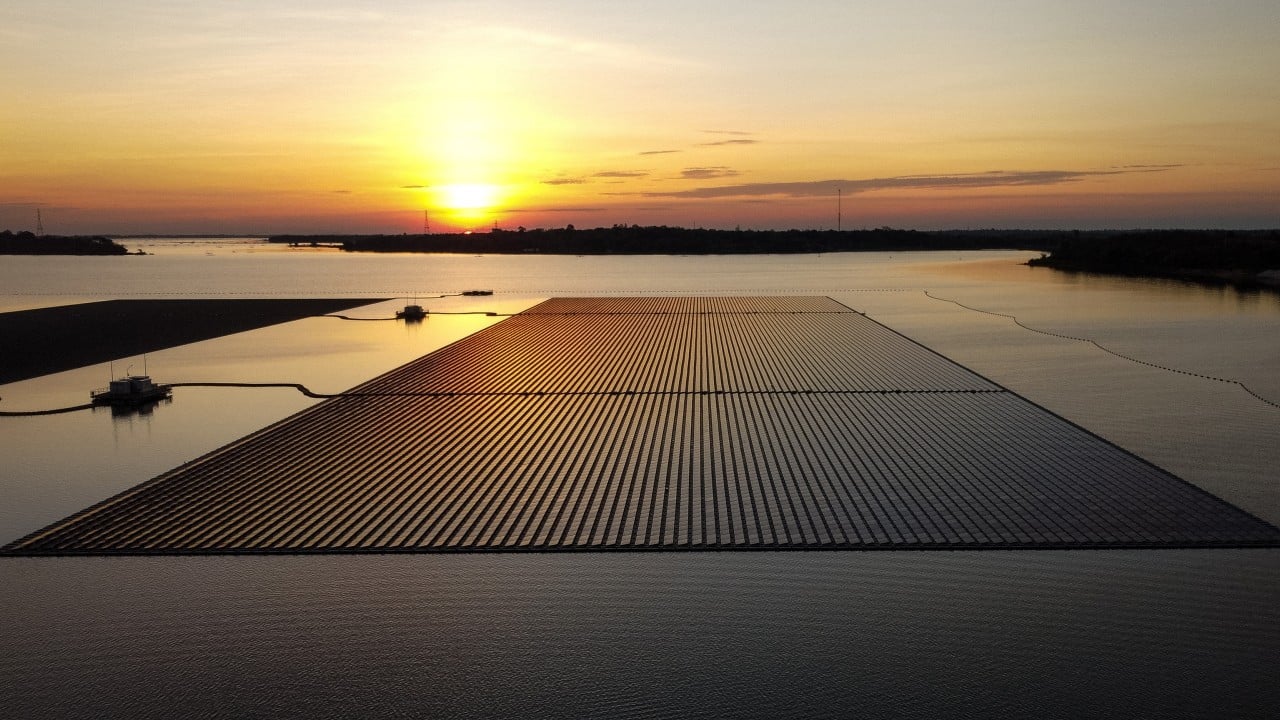
Toey Wattana Mongkhonnam began thinking about outfitting his family home in Thailand’s northeastern province of Yasothon with solar panels during the Covid-19 pandemic.
In his household of five, electricity use rises with the day’s heat, and the monthly bill could range from 1,000 to 1,500 baht (US$30 to US$45).
“Back then, I checked prices and a rooftop panel system that could put out enough power to run my household’s appliances could cost 100,000 to 200,000 baht,” said Toey, a Muay Thai trainer in Kuala Lumpur.
Toey’s calculations capture the challenge facing Thailand’s recently proposed 50-billion-baht (US$1.5 billion) rooftop-solar support scheme: whether it can make the switch attractive not just to high-use households but also to those with lower bills who may have less money to put towards the initial cost.
KioskNews shows a cleaned-up reading view extracted from the publisher’s page — the original always lives on their site, not ours.