Energy bills could rise more than £400 next year, new forecasts warn
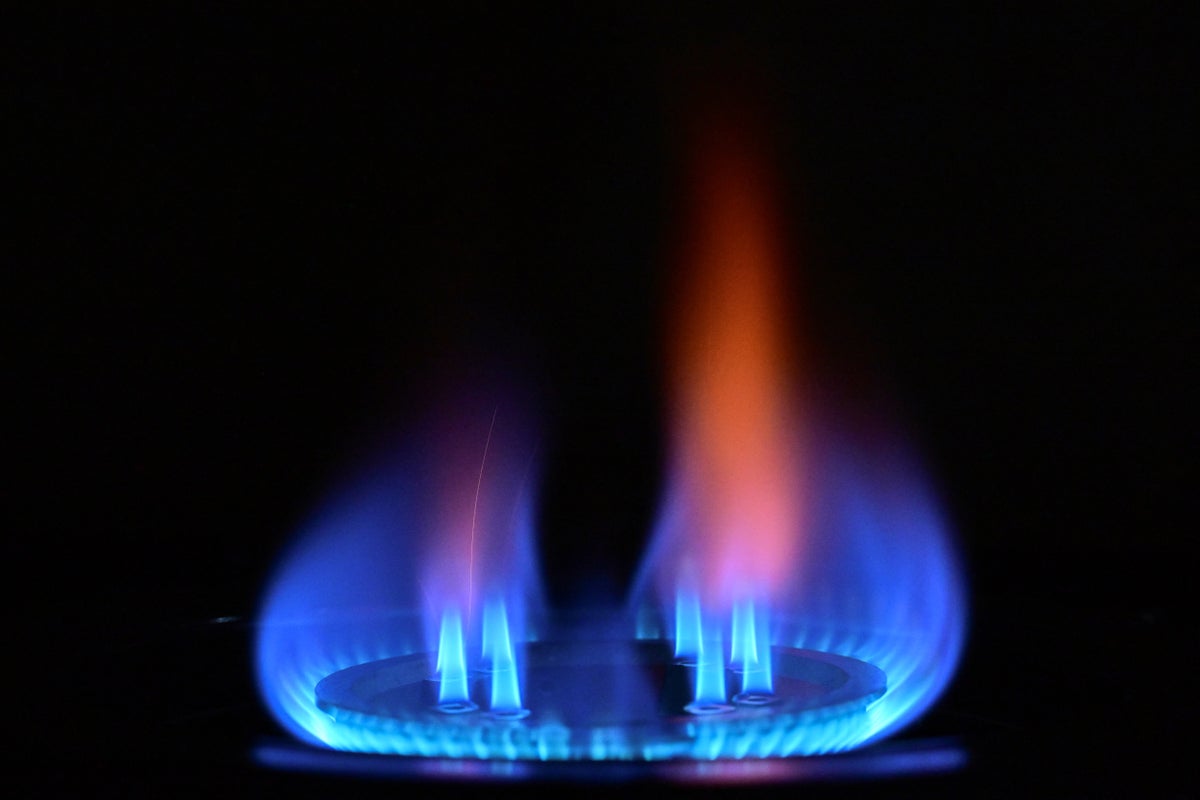
Household energy costs could rise by over £400 in the new year, forecasters have warned, as financial pressure from conflict in the Middle East continues to affect fuel prices.
The average household energy bill will rise to £1,723 from October, per Ofgem’s energy price cap. The £60 rise marks a four per cent increase from the current rate.
But this could increase by a massive 30 per cent to £2,165, an independent forecast from EDF found earlier this week. The French-owned energy giant is one of the UK’s largest providers.
This £442 rise would add the equivalent of £36 a month on to the average bill.
A separate forecast by Bloomberg Economics released in the same week estimated a 25 per cent rise to £2,150 for the January to March window.
Either would bring the level to its highest since June 2023.
Ceasefire talks between the US and Iran broke down in July, piling fresh pressure on to global fuel markets. The effective closure of the Strait of Hormuz, a major oil shipping lane, has caused prices to spike since the conflict began in February.
Energy consultancy firm Cornwall Insight predicted in August that January’s price cap will be set at £1,872, for an increase of £149. However, wholesale prices have surged since this, with a new forecast from the authoritative firm expected later this month.
The energy price cap is the maximum amount suppliers can charge for each unit of energy to those on a standard variable tariff, which applies to most households. It is expressed as an annual bill for the average home, but the headline figure is not the maximum yearly bill.
The energy regulator regularly updates the methodology it uses to calculate its cap, reflecting changing average usage levels. Under its pre-October 2023 methodology, the EDF forecast would equate to £2,425 a year.
This is close to the £2,500 level at which the government intervened to protect households from the price shock arising from Russia’s invasion of Ukraine in 2022.
One of Andy Burnham’s first moves as prime minister was to announce a temporary VAT cut on energy bills, saving £45 a year for the average household from October.
This followed from an initiative announced by former chancellor Rachel Reeves in 2025 to cut £150 from the average energy bill by scrapping two energy efficiency schemes.
A substantial rise of over £200 in January would effectively cancel out these measures, although energy bills will still be lower than they would have without the policies.
The scenario would also worsen the already challenging economic picture for the government, as this increase could tip the headline rate of inflation over 4 per cent. CPI rose to 3.1 per cent in August, official figures show, driven largely by rising fuel costs.
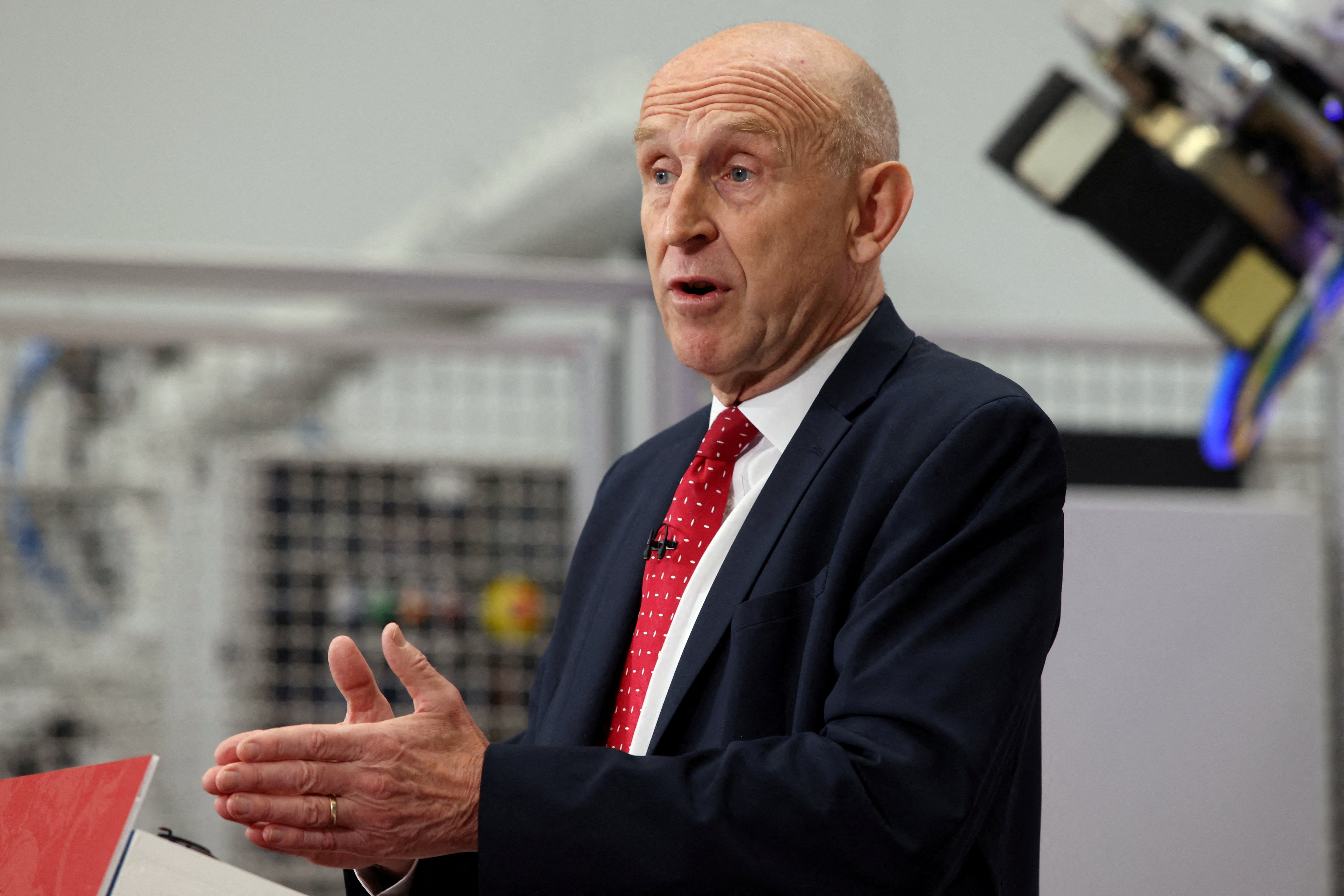
Chancellor John Healey will announce his first Budget as chancellor at the end of October, when it is expected that more action will be announced on energy bills and the cost of living more widely.
A Government spokesperson said: “The Chancellor is fully focused on giving families and businesses breathing space and helping ease cost pressures. That’s why we have removed VAT from electricity bills and are reducing electricity costs by up to 25% for more than 10,000 manufacturing businesses through our British Industrial Competitiveness Scheme.”
KioskNews shows a cleaned-up reading view extracted from the publisher’s page — the original always lives on their site, not ours.