In Malaysia, Najib’s house arrest pits palace against prosecutors
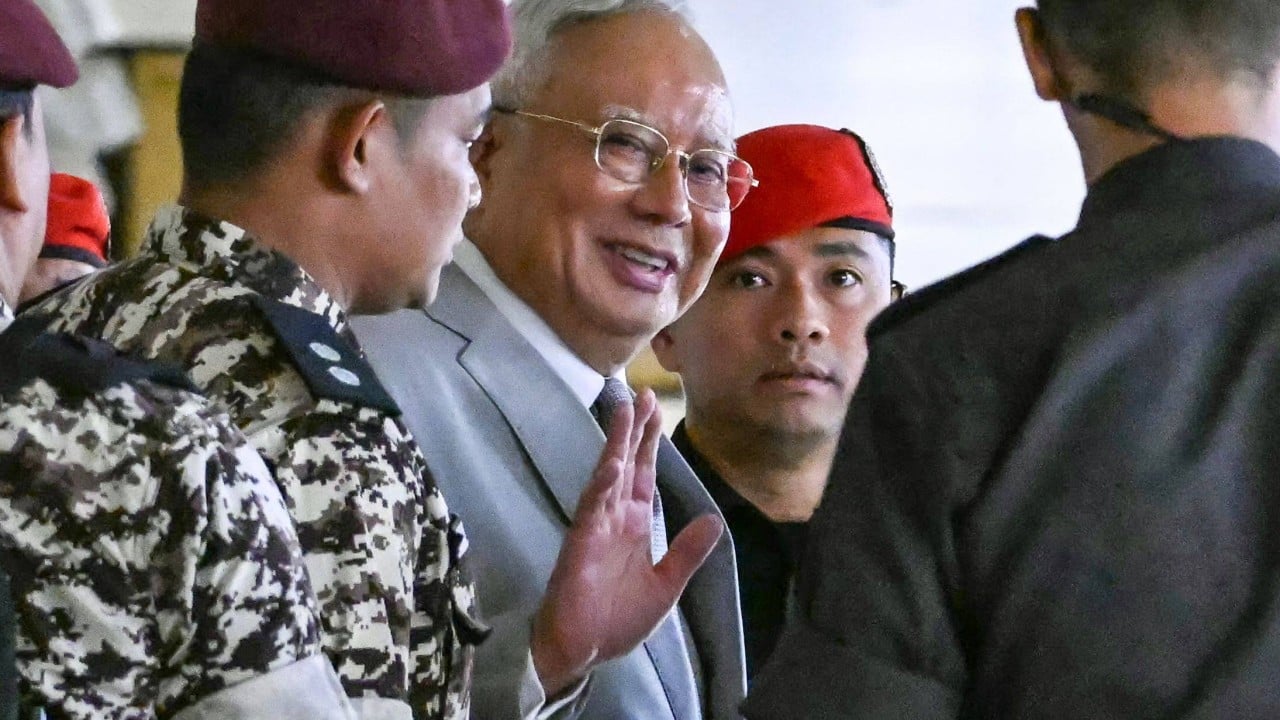
A growing dispute over former Malaysian prime minister Najib Razak’s house arrest has thrust the attorney general’s powers into the spotlight, raising the spectre of a constitutional clash – though legal experts say it falls short of a full-blown crisis.
Najib, 73, was due to move from Kajang Prison to his Kuala Lumpur home on Friday after his political party, Umno, paid a 50 million ringgit (US$12.3 million) fine, fulfilling a condition of a royal pardon issued in September allowing him to serve the remainder of his corruption sentence at home until its conclusion in August 2028.
But the Attorney General’s Chambers (AGC) intervened, citing conflicting interpretations of a High Court order directing his release into house arrest and the implications for Najib’s separate 15-year sentence for abuse of power and money laundering.
King Sultan Ibrahim, Malaysia’s constitutional monarch, said on Saturday that the pardon was “clear, explicit and unambiguous”, adding that the attorney general himself had attended the Pardons Board meeting on September 18 that advised the king on the decision.
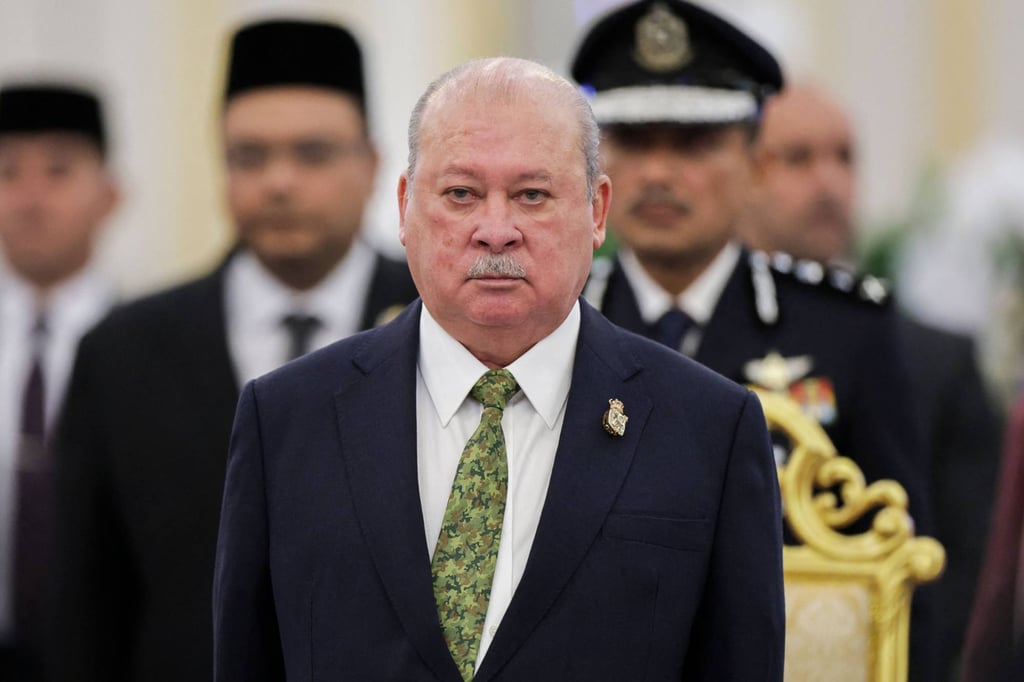
“Since all conditions stipulated in the conditional pardon order have been fulfilled, any arguments disputing the order would amount to defying the decree,” the palace said in a statement. “There should be no room for differences in interpretation, nor should there be prolonged uncertainty over the implementation of a decision that has already received royal assent.”
The AGC has rejected accusations that it is challenging the royal prerogative, insisting that clarification from the judiciary is needed to prevent conflicting sentences or unlawful detention.
Najib has been behind bars since August 2022 after being convicted of misappropriating 42 million ringgit (US$10.34 million) from SRC International, a former subsidiary of the scandal-hit 1MDB state investment fund.
The former prime minister, who was in office from 2009 to 2018, co-founded 1MDB as a sovereign wealth fund intended to attract foreign investment and finance economic development.
11:20
The legacy of Malaysia’s 1MDB scandal on politics and corruption-fighting
According to US investigators, more than US$4.5 billion was subsequently siphoned from the fund through an elaborate international money-laundering scheme.
The AGC said the central issue was whether paying the fine merely allowed Najib to serve the rest of his SRC International sentence at home or effectively ended it – potentially triggering the separate 15-year prison term imposed in December 2025.
Najib is appealing against that conviction, although a court rejected his bid to stay the sentence last month.
On Monday, Attorney General Mohd Dusuki Mokhtar told local media that Najib’s High Court release order contained errors.
“This should not have happened if the parties concerned had been thorough,” he was quoted as saying by Malay-language daily Berita Harian. “The errors are obvious and have caused unnecessary problems.”
Liyana Marzuki, a former senior federal counsel, also criticised the order’s wording in a social media post, pointing to inconsistent legal references and conflicting provisions governing what would happen if Najib breached his house arrest conditions.
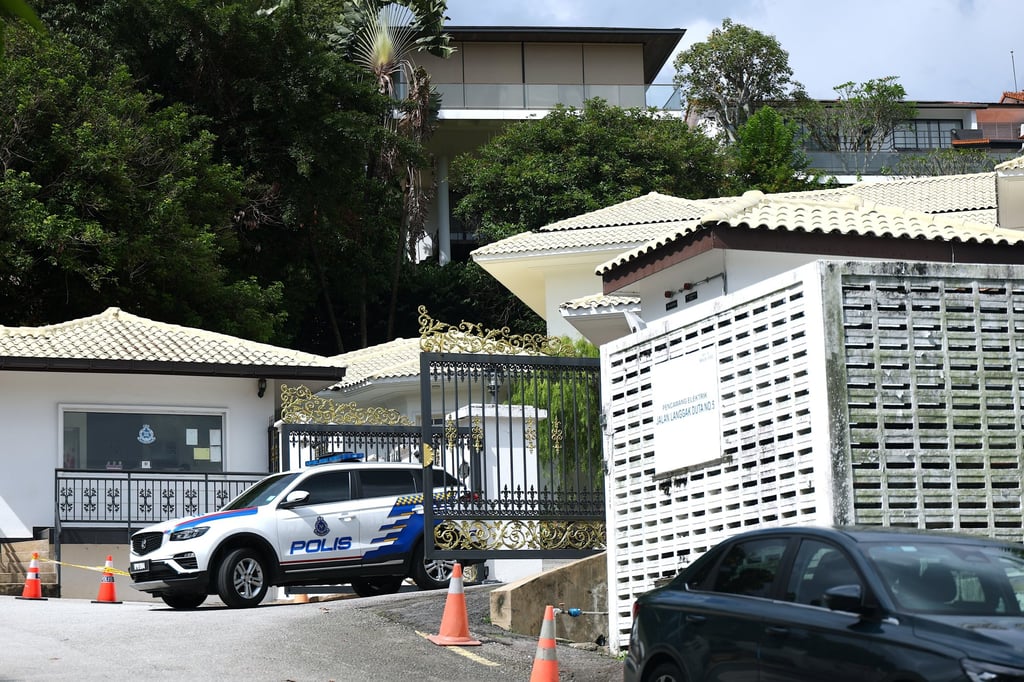
The release order, excerpts of which have circulated online, features a mix of English and Malay – including a heading reading “In The Tinggi Court at Wilayah Persekutuan” – alongside inconsistent references to Najib’s name and the charges against him.
Liyana also questioned a provision that appeared to allow Najib to remain at his Langgak Duta residence even if he breached house arrest conditions, even though another clause required his return to prison or another location determined by prison authorities.
“Wasn’t His Majesty’s decree that if he breaches the conditions of house arrest, Najib must return to prison?” she wrote in Malay.
Royal complications
Prominent Malaysian litigation lawyer Kitson Foong has rejected suggestions that the dispute constitutes a constitutional crisis, defending the AGC’s decision to seek clarification from the courts.
“I do not foresee a constitutional confrontation,” he told This Week in Asia. “His Majesty’s decree remains absolute and commands the utmost respect across the board.”
The attorney general was taking a “legally prudent and strictly neutral approach”, Foong said, further describing the referral back to the judiciary as “a routine exercise of legal caution”.
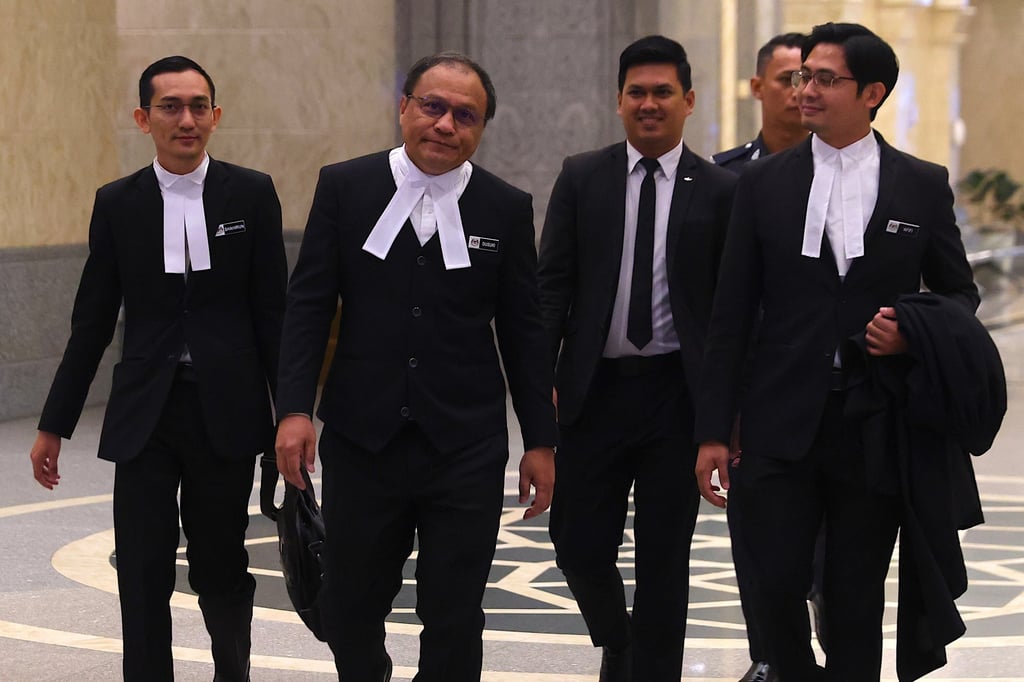
However, Salim Bashir, a former president of statutory professional body the Malaysian Bar, said the attorney general was “not constitutionally clothed with jurisdictional power to override a court order”, despite being the legal adviser to the government and the monarchy.
“Any trivial anomaly that arose from a court order could be categorised as a slip rule which can be ratified,” he added, referring to the legal principle that allows courts to fix minor clerical errors without invalidating an order.
Najib’s home was gazetted as a prison on Friday under Section 3 of Malaysia’s Prisons Act, even as the proposed transfer remains on hold.
Malaysian Prime Minister Anwar Ibrahim said on Saturday he had instructed Mohd Dusuki to seek an audience with the king to explain the complications, which have deepened strains within a ruling coalition uniting Najib’s once-dominant United Malays National Organisation and its former reformist adversaries.
The question now is how far Umno would go to fight for Najib
Adib Zalkapli, managing director of political risk consultancy Viewfinder Global Affairs, said the public perception was that the implementation of the house arrest had been “poorly handled”, leaving the government vulnerable to accusations of disregarding the monarch.
“Since the formation of the unity government, it’s a known risk that the government would be destabilised due to Najib’s cases,” he said. “The question now is how far Umno would go to fight for Najib.”
Umno Youth, the youth wing of Najib’s party, has urged supporters to lodge police reports over the delay.
“My position has not changed,” Loke told reporters on Friday, insisting that his resignation would take effect immediately once the former prime minister entered into house arrest.
KioskNews shows a cleaned-up reading view extracted from the publisher’s page — the original always lives on their site, not ours.