It's Officially The End Of An Era For American Horror Story

Cathal Gunning has been writing about movies, television, culture, and politics online and in print since 2017. He worked as a Senior Editor in Adbusters Media Foundation from 2018-2019 and wrote for WhatCulture in early 2020. He has been a Senior Features Writer for ScreenRant since 2020.
Sign in to your ScreenRant account
While American Horror Story: 13 hopes to revive the ailing horror anthology show, the upcoming outing already spells an end to an eight-year trend for the long-running series. As far back as Alfred Hitchcock Presents and CBS’s ‘60s classic The Twilight Zone, anthology shows have been a TV staple. Night Gallery proved a worthy replacement for The Twilight Zone during the ‘70s, while the ‘90s saw the arrival of HBO’s infamous R-rated campy horror effort Tales from the Crypt.
In the decades since then, there have been numerous revivals of The Twilight Zone, an underrated ‘90s revival of The Outer Limits, and major horror anthology shows like Masters of Horror and Fear Itself. There have also been a plethora of anthology shows since the start of the streaming era, including Guillermo del Toro’s Cabinet of Curiosities and Shudder’s critically acclaimed Creepshow, based on the movie series of the same name by George A. Romero and Stephen King.
Moreover, there has also been a major change in anthology shows that redefined the format for a new generation. 2011’s sleeper hit American Horror Story was one of the first shows to change its cast, setting, main characters, and storyline once a season, instead of once an episode, thus maintaining the anthology format while gaining far more space and time to explore its stories. Since then, Fargo, Shudder’s five-season R-rated hit Slasher, HBO’s The White Lotus and True Detective, Netflix’s true-crime series Monster, and Channel Zero have all borrowed this approach.
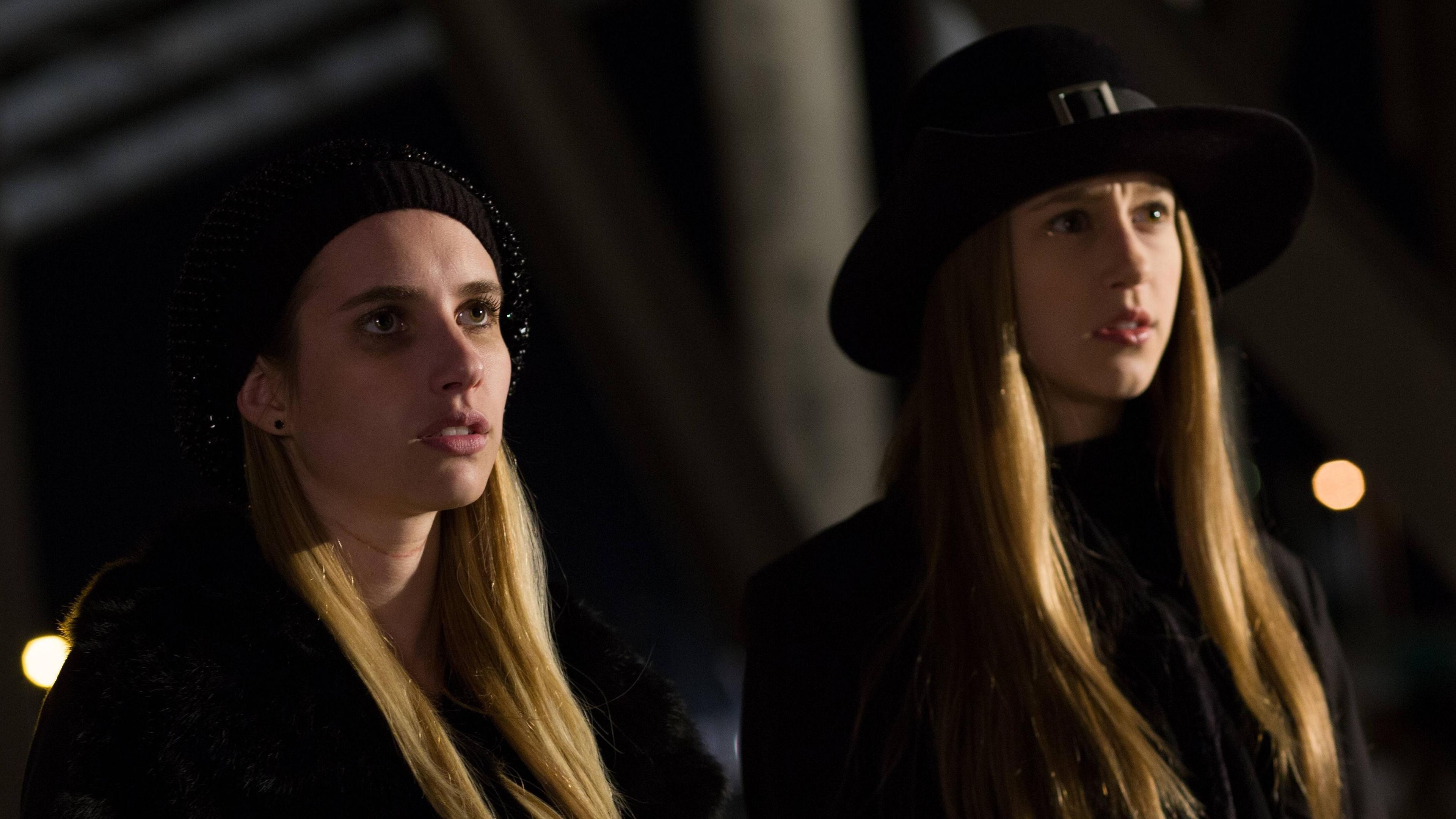
American Horror Story: 13 Brings Back The Show’s Most Iconic Recurring Characters

As popular as this new format has proven, American Horror Story itself has received mixed results in its application of the style. Early on, American Horror Story cruised to critical success based on novelty alone. Its high production values, starry cast, plentiful R-rated gore, genuinely shocking content, and audacious, campy twists ensured that seasons like Murder House, Asylum, and Coven were well liked by reviewers despite their inconsistency.
It was around season 4, Freak Show, that the cracks in the show’s formula started to become clear. Soon, Hotel, Roanoke, and Cult started to receive progressively more mixed reviews as critics and fans alike grew tired of American Horror Story’s unique blend of celebrity cameos, chaotically overstuffed plots, and sudden viral moments of shock value. The arrival of big-budget, critically acclaimed horror shows like It: Welcome to Derry didn’t flatter the FX series, but ultimately, American Horror Story caused its own decline.
The series was never entirely clear on just how much crossover there was between its seasons, and this became more of an issue as the series progressed. A lot of series stars played different major characters in different seasons, but American Horror Story still repeatedly made it clear that all of its stories took place in the same fictional universe. One of the show’s strongest standalone episodes, from season 8’s Apocalypse, brought back characters from Murder House and Coven to wrap up their divergent stories.
American Horror Story Hasn’t Done A Legacy Season Since 2018’s Apocalypse

However, although one or two reunions from Apocalypse were satisfying on their own, the season as a whole was a mess. Apocalypse spent a good chunk of its runtime establishing dull characters and a thinly sketched post-apocalyptic setting, only to kill them all off en masse and reveal that the season was really a Coven sequel in disguise midway through. It was an annoying about face that could have been avoided if the season had simply advertised itself as a follow-up.
Perhaps because of Apocalypse’s underwhelming reception, or the outright disastrous critical failure of American Horror Story: Delicate in early 2024, the show has abandoned any attempts at hiding American Horror Story: 13’s big plans. Since its inception, the marketing materials for American Horror Story: 13 have focused almost solely on the show’s promise to bring back many of its most iconic existing characters, something that hasn’t been done since Apocalypse in 2018.
As surprising as this might seem, American Horror Story hasn’t staged a direct continuation storyline since Apocalypse. Seasons 9-12, Delicate, NYC, Double Feature, and 1984, were all original, standalone stories and, although they featured a handful of shared locations and crossover characters with earlier seasons, this was nothing new. Every season of American Horror Story boasts some in-universe links to its predecessors, but these are limited to Easter eggs except in the case of Murder House, Coven, Apocalypse, and, now, 13.
Apocalypse continued the stories of Murder House and Coven, but this proved to be too little, too late for American Horror Story viewers frustrated by Apocalypse’s slow start. For context, there were two years between Murder House and Coven, five years between Coven and Apocalypse, and there will now be eight between Apocalypse and 13. As such, this upcoming outing will have an even harder time drumming up hype around its comeback characters.
American Horror Story: 13 Needs To Redeem The Franchise
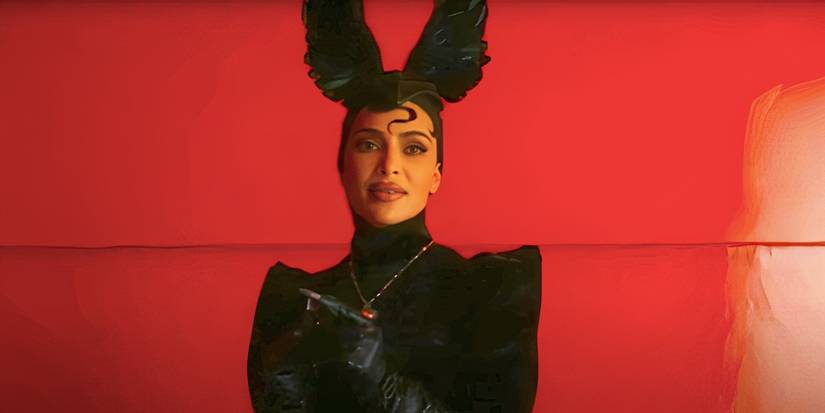
The proverbial elephant in the room is, of course, the historic failure of American Horror Story: Delicate. Based on the divisive novel Delicate Condition by author Danielle Valentine, American Horror Story: Delicate was somehow the show’s slowest outing yet, but also arguably its most overstuffed. Bereft of any scares, the season dragged out its setup interminably, only to then rush through its conclusion in a finale that soon became known as the worst episode of the series so far.
Not only did American Horror Story season 12’s finale receive the show’s lowest IMDb rating ever, but the season as a whole also received terrible ratings in comparison to earlier seasons of the series. While it is normal for a show’s viewership to decline over time, American Horror Story season 1 boasted highs of over 3 million, whereas American Horror Story: Delicate managed lows of under 0.2 million. This was catastrophic news for the future of the series.
Thus, American Horror Story: 13 is now returning to the show’s oldest storyline for the first time since 2018, ending an eight-year streak of original stories in favor of a belated sequel to Coven, Murder House, and the divisive Apocalypse. Only time will tell whether this ploy works for American Horror Story, but the show certainly needs to make a major change to salvage its critical reputation and swindling relevance.

- Release Date
- October 5, 2011
- Network
- FX
- Showrunner
- Ryan Murphy
- Directors
- Alfonso Gomez-Rejon, Jennifer Lynch, Michael Uppendahl, Loni Peristere, Gwyneth Horder-Payton, Ryan Murphy, David Semel, Howard Deutch, Michael Lehmann, Angela Bassett, Jeremy Podeswa, Max Winkler, Michael Rymer, Paris Barclay, Axelle Carolyn, Anthony Hemingway, Craig Zisk, Elodie Keene, Jennifer Arnold, Jessica Yu, John Scott, Laura Belsey, Liz Friedlander, Maggie Kiley
- Writers
- Halley Feiffer, Ned Martel, Crystal Liu, Charlie Carver, Kristen Reidel, Adam Penn, Douglas Petrie, Todd Kubrak, Reilly Smith, Jay Beattie, Dan Dworkin, Joshua A. Green, Akela Cooper, Asha Michelle Wilson
-

Kyle Spencer
-

Sarah Paulson
Tuberculosis Karen / Mamie Eisenhower
- Franchise(s)
- American Horror Story
- Creator(s)
- Brad Falchuk, Ryan Murphy
KioskNews shows a cleaned-up reading view extracted from the publisher’s page — the original always lives on their site, not ours.