After the US-China tariff deal, will Chinese factories still need Southeast Asia?
For years, Chinese manufacturers have viewed Southeast Asia as a way to reduce exposure to higher US duties on goods made in China. But a new round of tariff cuts proposed by Washington and Beijing could weaken that incentive for some products, potentially changing the economics of the strategy.
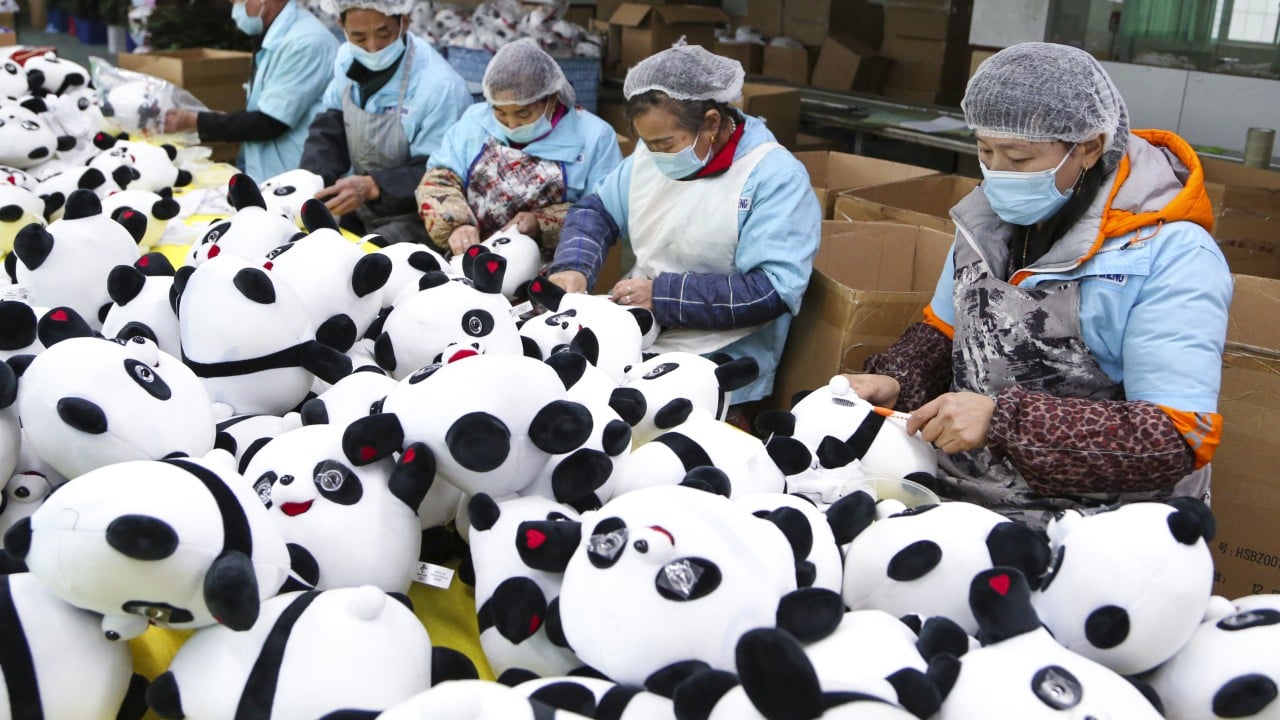
Under the new US-China Board of Trade, more than 90 per cent of Chinese products on a list of goods worth US$30 billion – mostly everyday consumer items, such as toys and household goods – would return to most-favoured-nation tariff treatment, with all additional duties waived, China’s Ministry of Commerce said on Monday. A reciprocal US$30 billion list covers US exports to China.
A White House statement did not elaborate on the exact tariff cut levels, but the changes – if implemented as outlined by Beijing – would effectively bring duties on most of these products to below 10 per cent, according to US official data. Some products could face zero duties, depending on the product category.
The picture is different for some Southeast Asian manufacturing hubs. Vietnam, Malaysia and Thailand, which have attracted Chinese investment in low-end consumer goods manufacturing over the past decade, continue to face additional US tariffs of between 10 and 12.5 per cent. Washington imposed the duties on 60 trading partners in July following a Section 301 investigation into alleged forced labour.
That difference has raised questions about whether lower US-China tariffs could weaken one of the biggest incentives for Chinese companies to move production to the region.
Some analysts said Chinese companies had shown signs of hesitation, but expected the region’s appeal to endure despite the narrowing tariff gap, citing rising manufacturing costs in China, the country’s shift towards higher-value industries and persistent uncertainty over US trade policy.
“We have already seen some hesitancy among Chinese enterprises investing in Southeast Asia over the last few months,” said Chim Lee, a senior analyst at the Economist Intelligence Unit (EIU).
“The Iran war has made things worse – energy supply has been more stable in China compared to some Southeast Asian countries. In the near term, larger companies with production capacity in both China and Southeast Asia may focus on exporting from China.”
Since the US-China trade war during US President Donald Trump’s first term, some Chinese companies have expanded overseas production capacity to hedge against growing uncertainties. Southeast Asia quickly emerged as one of the most popular destinations because of its geographic proximity and lower labour costs.
Chinese investment in Asean countries reached about US$19 billion in 2024, making China the region’s second-largest source of foreign direct investment among non-Association of Southeast Asian Nations partners, with manufacturing receiving the largest share, according to official data from the bloc.
That was more than double the US$8 billion recorded in 2015, before Trump took office.
“We expect that the gradual transition of China’s low-end manufacturing to Asean will continue, as China’s comparative advantages are shifting,” said Lynn Song, chief economist for Greater China at the Dutch multinational bank ING.
SCMP Plus is a new premium news platform that gives you an
all-inclusive edge to stay ahead on China news.
To access our exclusive content you’ll need to subscribe.
Already a subscriber?
LOG IN
China, Song said, was upgrading its industries and moving up the value-added ladder, while Southeast Asia continued to offer lower labour costs, making the region a natural destination for lower-end manufacturing.
“Tariff changes are unlikely to change this major trend, especially given the potential volatility of tariff policy,” Song said. “Diversifying the manufacturing base may be advantageous for companies, given continued policy uncertainty.”
Meanwhile, Jayant Menon, a visiting senior fellow at the ISEAS – Yusof Ishak Institute in Singapore, said the US-China tariff reductions were “narrowly targeted” and would have only a marginal effect on Chinese manufacturers’ relocation strategies.
“For items directly affected by the tariff reductions, there may be a greater incentive to ship directly out of China, but this covers only a very small share of the goods and sectors linked to supply chain relocation to Southeast Asia,” he said.
“Most of the electronics, machinery and green technology sectors will be largely unaffected.”
The timetable for the proposed tariff reductions remains unclear. China’s Ministry of Commerce said the two sides would “implement the cuts simultaneously after completing their respective domestic legal procedures”.
Beijing and Washington have also extended their trade truce until January, two months beyond the original November deadline.
While the tariff agreement has brought a degree of optimism, some individual Chinese exporters remain cautious. Ricky Luo, a 31-year-old Amazon seller from China’s Guangxi Zhuang autonomous region, said the prospect of lower tariffs was welcome news but not enough to change his strategy just yet.
Luo has remained in the US market throughout the tariff turmoil. It remained his largest market, he said, and orders had held steady even as profit margins had narrowed.
“I don’t change my decisions just because the news changes,” Luo said. “I wait until the policy actually takes effect.”
KioskNews shows a cleaned-up reading view extracted from the publisher’s page — the original always lives on their site, not ours.