Cristiano Ronaldo and the father who never saw him become great
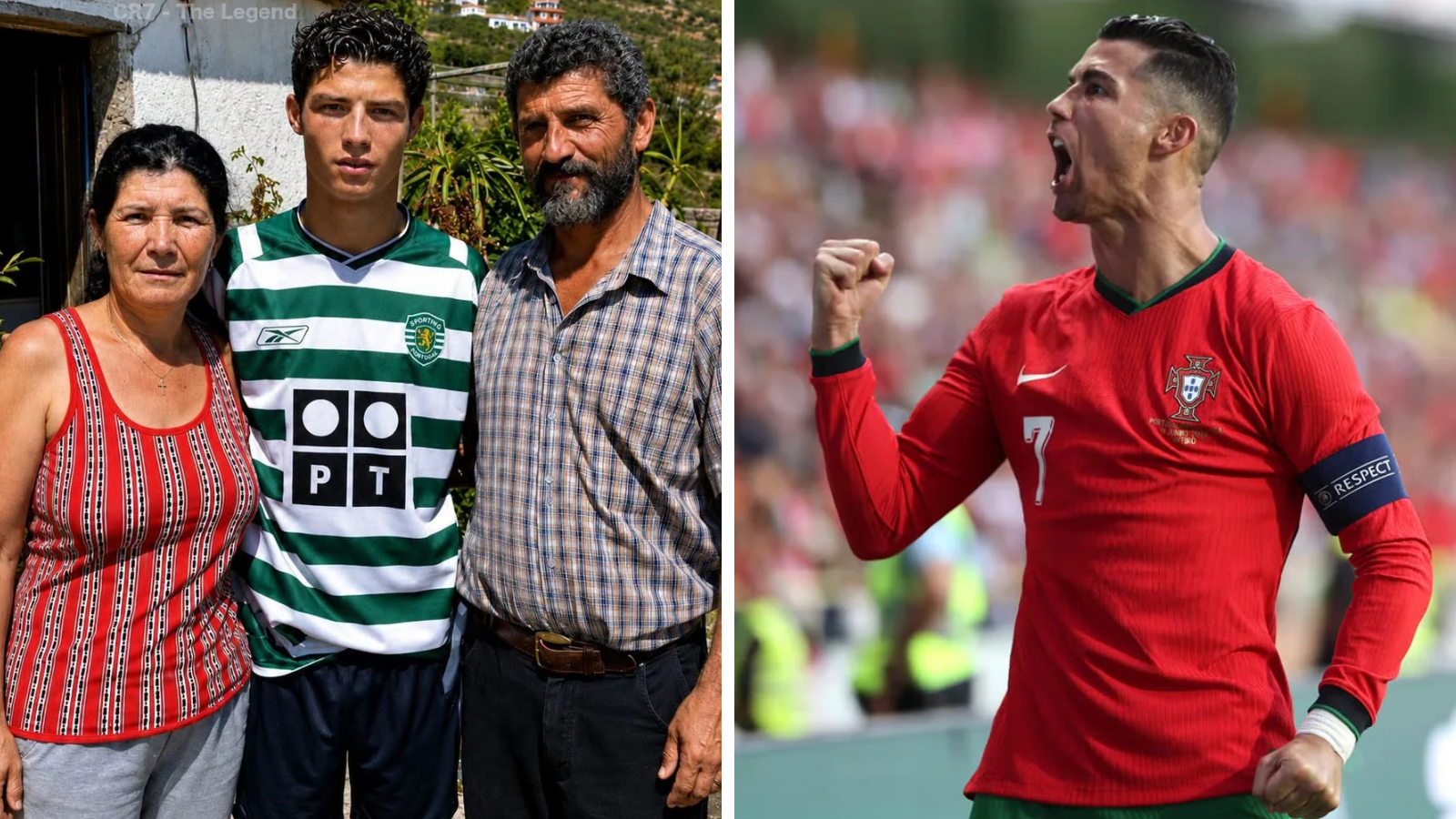
The boy from Madeira. Skinny, freckled, spindly-legged, with placid, tiny eyes and untamed hair. This was Cristiano Ronaldo before he became Sporting’s wunderkind, Manchester United’s prize-horse, Real Madrid’s colossus, the Saudi league’s identity and one of football’s immortals.
In the humble neighbourhood of Quinta do Falcão, he was always the son of Aveiro. His father put in shifts as kit man for the local football club, C.F. Andorinha. He served drinks in the club’s small bar. When dusk sank, he shifted to the other side of the table, clinging to his drink. “I always feared my father, so we never had a strong bond. He battled alcoholism and died from cirrhosis, which is why I vowed never to drink alcohol,” Ronaldo said in a public function after his father’s death at 52.
Ronaldo was 20 then, and his biggest regret was that his father could never watch him become the footballer he became. At the bar, the old man used to tell his friends that his son would be famous. They laughed it off as a drunk man’s babble.
His father exists in fragments and nuggets. Ronaldo remembers him in an essay in The Players’ Tribune. “He was on the sidelines at every match with his big beard and his work trousers. He loved it. I remember coming home from the matches with him and he’d say, ‘Cristiano scored a goal!’”
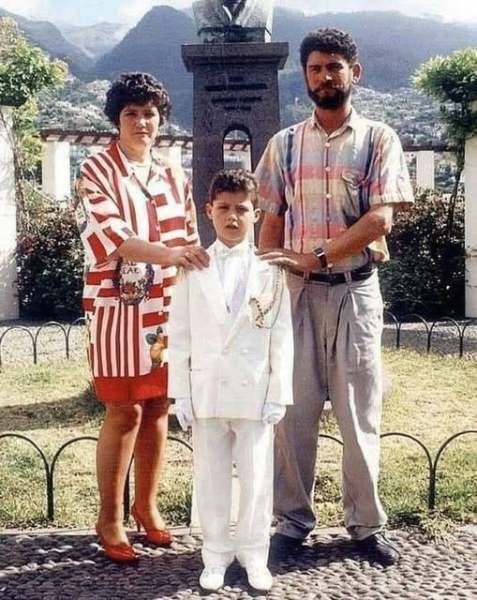 Ronaldo’s father, José Dinis Aveiro, passed away in 2005 before he could see his son become the footballing sensation. (X)
There are glimpses of Dinis Aveiro in the 2015 documentary Ronaldo. His hollow, sunken eyes peer from the walls of the house, where Ronaldo is shown feeding his son. Those eyes capture a man who waged several wars, real and of the mind. In his late teens he was drafted into the Portuguese Army and sent to guard one of the last remaining outposts of Portugal in Africa, Angola.
The days under the Angolan sun were hard. The heat was so excruciating that instead of water the soldiers began to drink the local beer. “Beer was our best friend,” Aveiro’s friend José Manuel Coelho tells ESPN in a documentary. “It was so hot that the water was always warm and wouldn’t kill your thirst,” he says.
ALSO READ | Cristiano Ronaldo at 41: The ball has fallen out of love with him
Story continues below this ad
Sometimes, they starved for days when local rebels demolished the supply vans. Sometimes, they had nothing to do, so they played football until they got tired. But after the 1974 revolution, Portugal gave up its colonies and the soldiers returned home. No one gave them jobs. Some, like Aveiro, took to the bottle.
Ronaldo’s childhood was difficult but, he says, happy. The pillar was his mother. Maria Dolores never took a day off from her work until her son began to earn millions. She worked as a cook and cleaner and largely supported Ronaldo and his three siblings. “My mother reared me up by sacrificing her life for me. She went to bed hungry to feed me. She worked 7 days a week and worked nights as a cleaner to buy me a pair of boots.”
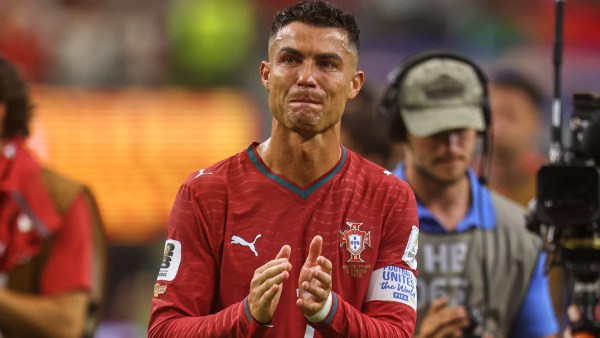 Portugal’s Cristiano Ronaldo after the World Cup round-of-16 match between Portugal and Spain. (AP)
Dolores had little interest in football and rarely attended games. She did once, for his Sporting debut, and was so nervous that she fainted. Ronaldo playfully reminded her: “Remember when you didn’t care about football?”
At first, football was just a pastime with cousins. “As a child, I thought that at 35, I would be a fisherman in Madeira. I never dreamed of playing what I played, winning what I won,” he once told the Portuguese daily A Bola, half-jokingly.
Story continues below this ad
Fate had different plans. At 12, he landed in Sporting’s academy. He cried every day. He was tough outside, but fragile inside. “It was the most difficult time in my life,” he wrote. “I was still in Portugal, but it was like moving to another country. The culture and accent were different. I didn’t know anybody, and it was extremely lonely,” he added.
ALSO READ | Cristiano Ronaldo retires: A timeline of his record-breaking Portugal career
All the angst translated to goals on the football field. But his heart wilted every time he heard a coach say: “He is a beast, but it’s a shame he’s so small.” “I was skinny. So I made a decision at 11 years old. I was going to work harder than everybody. I was going to stop acting like a kid. I was going to train like I could be the best in the world.”
So when the lights in the dormitory went out, he slipped out to train. He was always late for classes, but it didn’t matter. He once told his friend José Semedo: “Stay here. We’ll be footballers anyway, we don’t need school!” So it turned out. He had so much self-belief that he told Semedo one day he would become the greatest player on the planet. It was the dream of a child, he told him. Later, he had the words printed on the heel of his boots: El sueño del niño. The dream of a child.
Story continues below this ad
That dream sprouted in Quinta do Falcão, where he would always be the son of Aveiro, the son of a broken soldier who broke records.
KioskNews shows a cleaned-up reading view extracted from the publisher’s page — the original always lives on their site, not ours.