Thai army says temple displays at Cambodia’s Francophonie event carry political agenda
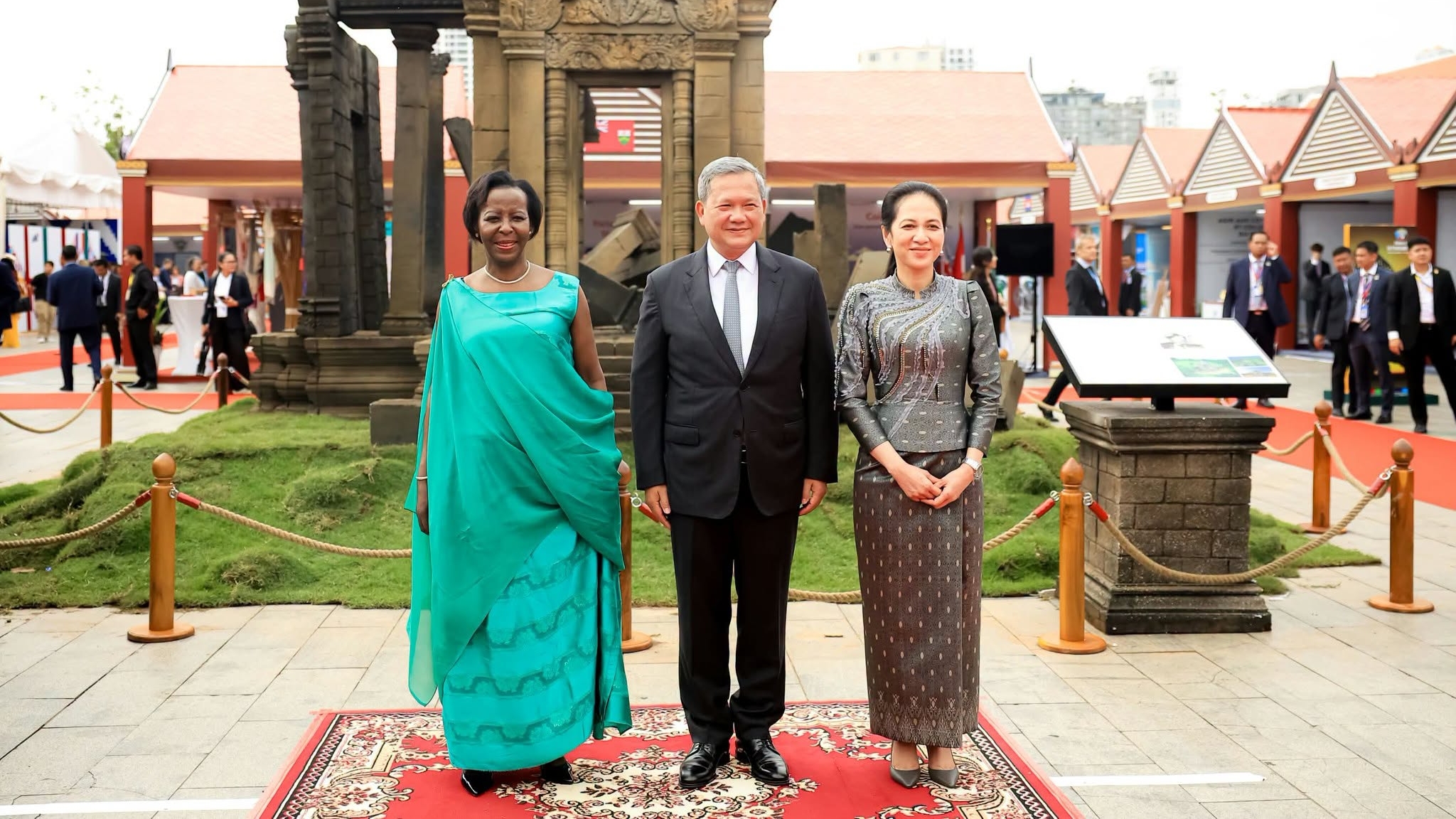
BANGKOK – The Royal Thai Army has accused Cambodia of using an international Francophonie event in Phnom Penh to promote a distorted narrative of the Thai-Cambodian border conflict, saying the display of models of three disputed temples carries political implications and contradicts the event’s message of peace.
Maj. Gen. Winthai Suvaree, spokesman for the Royal Thai Army, issued the statement on Saturday (14 November) in response to an exhibition at the Village de la Francophonie, being held in the Cambodian capital from 13 to 17 November ahead of the 20th Francophonie Summit.
The exhibition features models of three ancient temples: Preah Vihear, Ta Muen Thom and Ta Kwai.
According to Winthai, interviews associated with the exhibition have suggested that the temples were damaged during a “war of aggression”, potentially leading international media to believe that Thailand was responsible for attacking Cambodia.
The army rejected that portrayal, accusing Cambodia of presenting itself as a victim for political purposes while omitting what Thailand described as Cambodia’s use of cultural heritage sites for military operations.
Winthai alleged that Cambodian forces had converted ancient temple compounds into military positions during previous border clashes, deploying mortars, artillery, ammunition storage facilities and other weapons systems to launch attacks against Thai troops and civilian communities.
He argued that such military use of cultural heritage sites could temporarily remove their legal protection under the 1954 Hague Convention for the Protection of Cultural Property in the Event of Armed Conflict.
The spokesman maintained that Thai military responses were carried out in self-defence under Article 51 of the United Nations Charter and were restricted to military targets posing threats to Thailand.
He said any damage to the temples resulted from Cambodia’s alleged decision to use cultural heritage sites as military cover.
The allegations were presented by the Thai army and have not been independently verified.
Army reaffirms Thai sovereignty over two temples
Regarding Ta Muen Thom and Ta Kwai, Winthai reiterated the army’s position that both temples are located within Thai territory and have always been under Thai sovereignty.
He accused Cambodia of deliberately including the two historically sensitive border sites in an international exhibition to strengthen its territorial claims and influence foreign perceptions of the dispute.
The spokesman said the selection of the temples was not simply a cultural presentation but an attempt to legitimise Cambodia’s unilateral claims while damaging Thailand’s international reputation.
Winthai also questioned the exhibition’s compatibility with the theme of this year’s Francophonie Summit, “Reinvesting in peace for shared prosperity and lasting stability”.
He argued that presenting disputed cultural sites alongside narratives accusing a neighbouring country of aggression contradicted the summit’s stated commitment to peace.
The army warned that such presentations could encourage extreme nationalism and hostility between the two countries rather than promote reconciliation.
Army warns bilateral cooperation could be delayed
Winthai further accused Cambodia of violating the ceasefire agreement by disseminating what he described as distorted information about the conflict.
He warned that the bilateral cooperation Cambodia has called for might not materialise in the near future if such actions continued.
“The dissemination of distorted information by Cambodia also clearly violates the ceasefire agreement,” Winthai said.
He called on media organisations in both countries to report historical and political issues impartially, avoid amplifying misleading information and refrain from promoting hostility between neighbouring populations.
The spokesman also urged the Thai public and international community to consider information from multiple perspectives and exercise caution against what he described as information operations and political narratives intended to damage Thailand’s image.
KioskNews shows a cleaned-up reading view extracted from the publisher’s page — the original always lives on their site, not ours.