13 children hospitalized after eating toxic tuba-tuba fruit in South Cotabato
Make this your preferred source to get more updates from this publisher on Google.
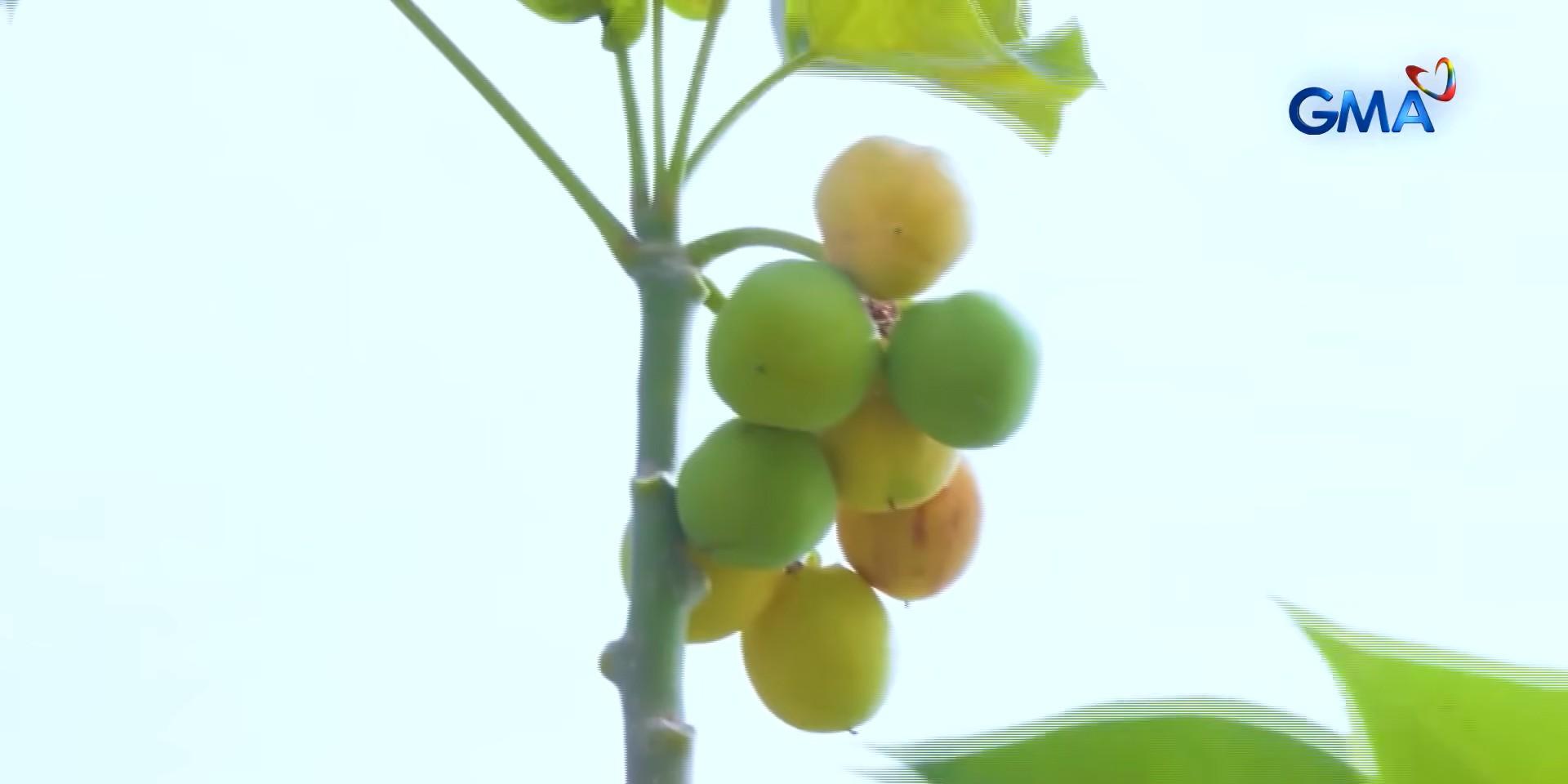
Thirteen children were hospitalized after eating tuba-tuba fruit, also known as kasla, in Koronadal City, South Cotabato.
According to Kuya Kim’s report on “24 Oras,” Wednesday, the children experienced stomach pain, dizziness, and vomiting after eating the fruit they picked from a tree in their barangay.
Pamela Laseb, the mother of one of the children, said a child had claimed the fruit was edible after seeing it on YouTube.
“One child said it could be eaten because they had seen it on YouTube. They peeled it before giving it to their playmates. Many children ate it. The one who picked the kasla ate the most. That child was the one who was most affected. They vomited, had stomach pain, and felt dizzy,” she said in Filipino.
The children were immediately brought to a hospital for medical attention.
Pediatrician Dr. Stephannie Gay Fuscablo Valdez said medical personnel attended to all 13 pediatric patients and monitored their condition for possible complications.
After being monitored at the hospital, all children were discharged.
According to Kuya Kim, tuba-tuba, scientifically known as Jatropha curcas, is a plant commonly found in the Philippines.
According to Dr. Lillian Rodriguez, a professor at the Institute of Biology in the University of the Philippines-Diliman, tuba-tuba originated in Mexico and other parts of the Americas before being brought to the country by the Spaniards.
The plant can grow up to 20 feet tall. Its fruit may be mistaken for something edible, but experts warn against consuming any part of the plant. The seeds contain toxic substances called curcin and phorbol esters, which can cause poisoning.
“It causes diarrhea and vomiting. Children are often the most affected because their bodies are not yet as strong. It can be lethal if they consume a large amount,” Rodriguez said in Filipino.
Rodriguez also reminded content creators to consider the potential effects of their videos on viewers, particularly when sharing information about food or plants that may be poisonous.
“For content creators, they should not think only about the number of views or likes, but also about the actual impact on the people watching their content,” she said.
KioskNews shows a cleaned-up reading view extracted from the publisher’s page — the original always lives on their site, not ours.