Going beyond Korean barbecue, Busan Sikdang in Kota Damansara introduces us to Busan’s comforting ‘dwaeji gukbap’ and ‘kimchi-jjim’
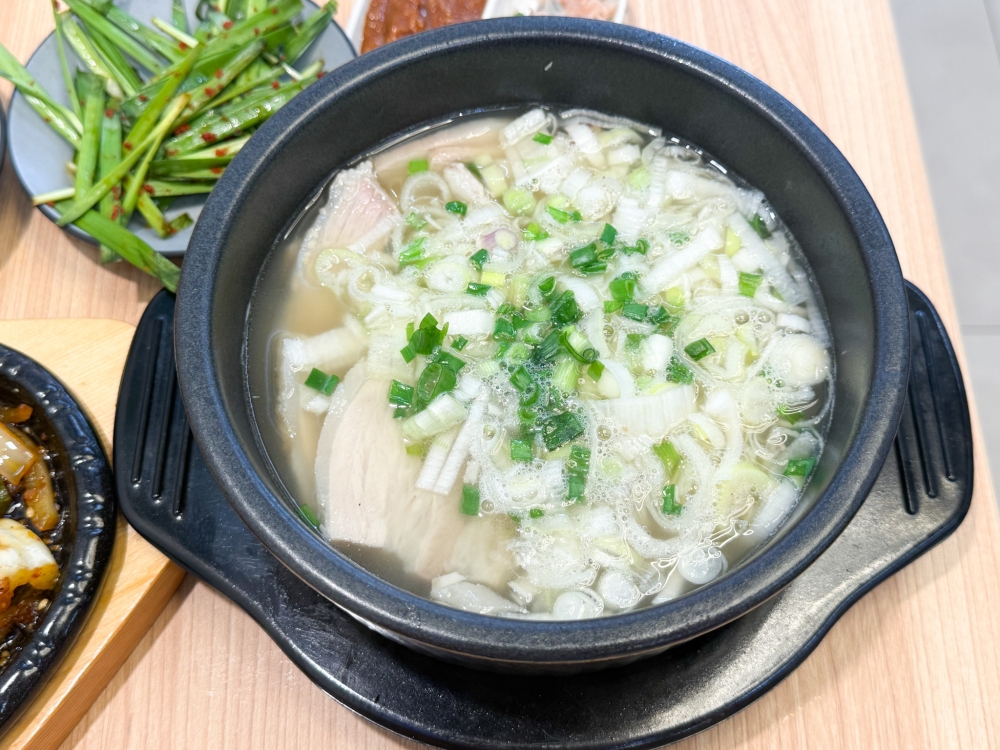

Busan Sikdang’s headline act is a Busan specialty known as ‘dwaeji-gukbap’ that uses pork bones to create the light soup with tender pork belly. — Picture by Lee Khang Yi
By Lee Khang Yi
First Published: Monday, 09 Nov 2026 10:16 AM MYT
PETALING JAYA, Nov 9 — As the Korean dining scene in the Klang Valley matures, newcomers are opening our eyes to regional cuisines and more specialised Korean dishes.
Busan Sikdang debuts in Kota Damansara, a quieter area lacking in Korean restaurants when compared to Desa Sri Hartamas, Ampang and Solaris Mont Kiara where Korean eateries are found on every corner.
Their winning item is Busan’s dwaeji gukbap, a soup first made with discarded pork bones given away by American soldiers during the Korean War.
In South Korea’s second most populous city, the labour intensive soup is found everywhere, keeping many warm and said to even fortify women recovering from childbirth.
My first experience with dwaeji gukbap was in its finest form, as a winter warmer to fight the bitter cold and biting wind in Busan.
The place we ended up in to get out of the cold used pig’s head and pig bones to brew the cloudy broth but the slightly strong meat smell wasn’t for the faint-hearted.
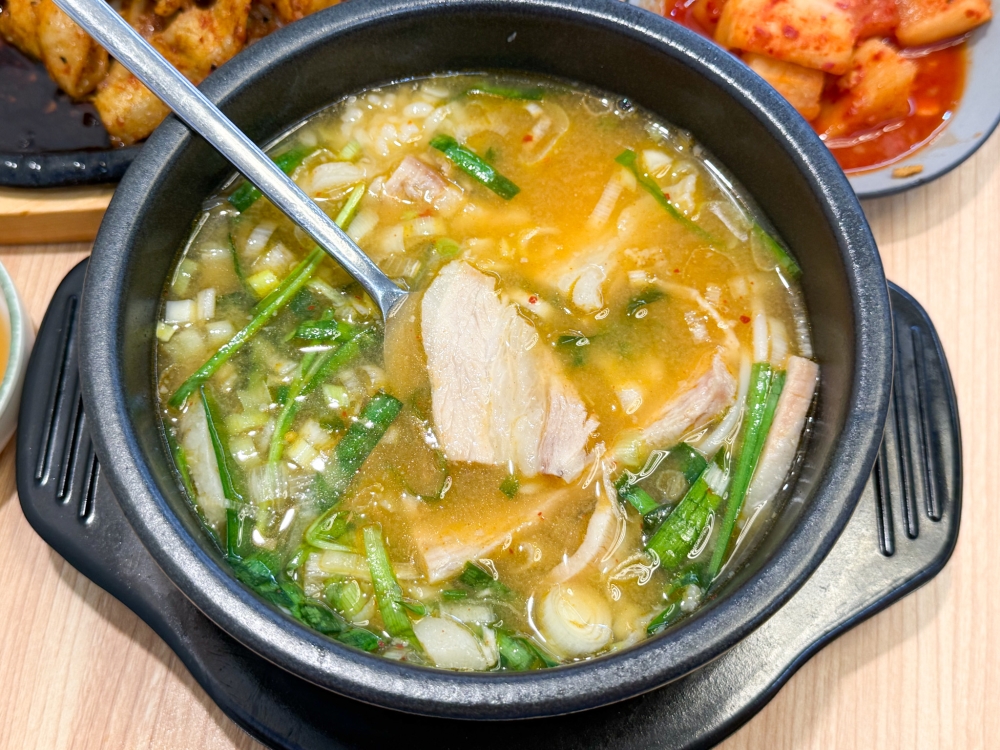
Once you add the chives, spicy ‘dadaegi’ paste and salted shrimps, the colour of the broth will change and develop a stronger taste. — Picture by Lee Khang Yi
When I tried Busan Sikdang’s Dwaeji-Gukbap (RM25), the contrast was strikingly different; their broth has a cleaner, sweeter flavour, probably because the meat source is different.
You’re taught how to mix the broth: firstly, add the seasoned chives, then dissolve the spicy dadaegi paste and lastly, the salted shrimps.
Since gukbap translates to “rice with soup”, add your bowl of rice to the broth to savour them together.
Even though the flavour is lighter here, I found it easier eat especially with our warmer weather.
Ideally, look for this during peak rainstorm time, as that broth helps keep you warm when the temperature dips.
Select from various toppings to suit your preference: smooth, tender pork belly; strongly flavoured, savoury blood sausage (sundae); or chewy offal.
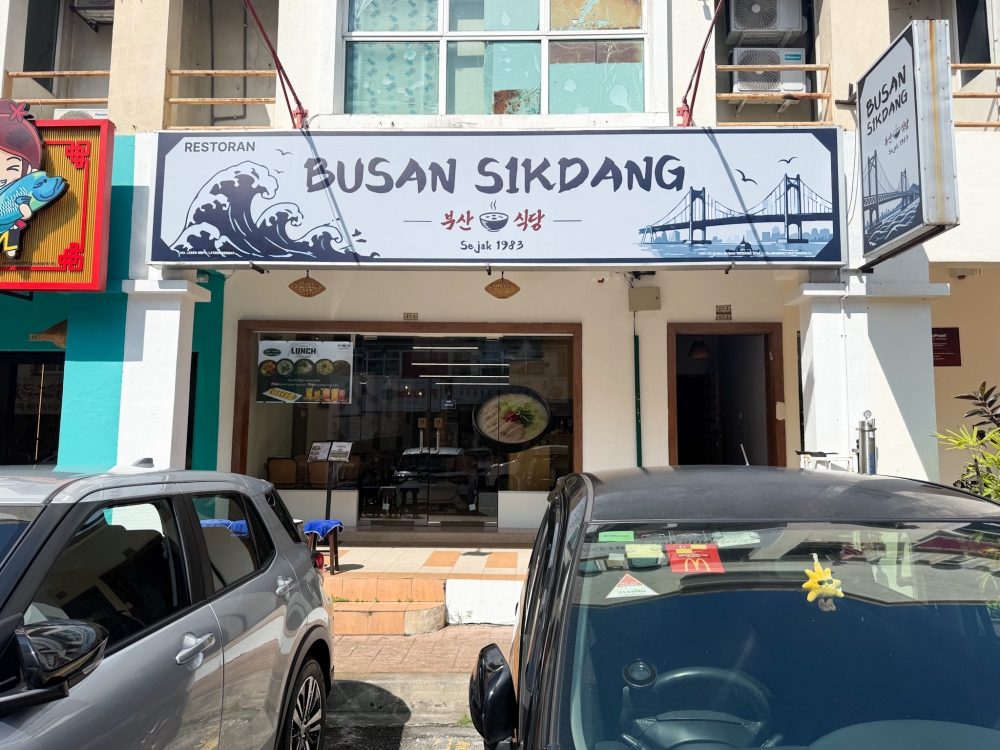
Look for Busan Sikdang at the row of shophouses where two seafood noodle and chili ‘pan mee’ restaurants are located in Kota Damansara; parking is available at the nearby Sunway Nexis. — Picture by Lee Khang Yi
The pork belly slices may have a fat layer but expert cooking converts it to a dreamy melt-in-the-mouth texture.
I like wrapping each piece of the pork belly with their kimchi for extra flavour, then eating it with a spoonful of the soft rice grains and soup.
On the side, the banchan include Medium Jangajji, assorted pickles of radish, onions and chillies combined with soy sauce and sugar, which help cut through the fatty, oily food and meat.
There’s also Kkakdugi or radish kimchi and the usual cabbage kimchi with a mellow flavour.
Once you master dwaeji gukbap and find kimchi jigae too mild for you, you’re ready to unlock expert-level Korean food for a deeper, richer flavour.
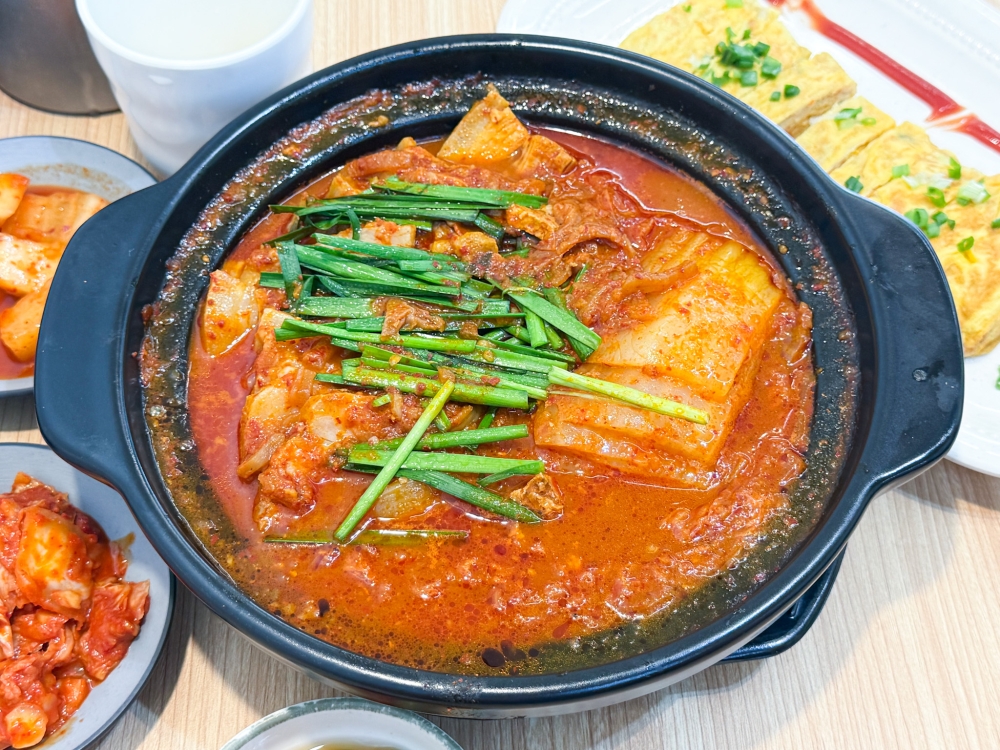
Unlock the ultimate level of Korean food with this Kimchi-Jjim, an aged ‘kimchi’ and pork belly stew with a richer, deeper flavour. — Picture by Lee Khang Yi
Enter Kimchi-jjim (RM50) — a potent deep, rich flavoured stew — where well-fermented aged kimchi is cooked with pork belly.
That pot can easily feed two people with rice and seaweed.
You won’t be able to stop eating it, as you fold the rice with seaweed and add a piece of the pork with the aged kimchi, which has a silky texture after a long braising time.
No wonder this dish is well known as a “rice thief,” as a carbless diet is discarded once you taste that luscious braised pork, whose fat has tempered the slightly sour kimchi.
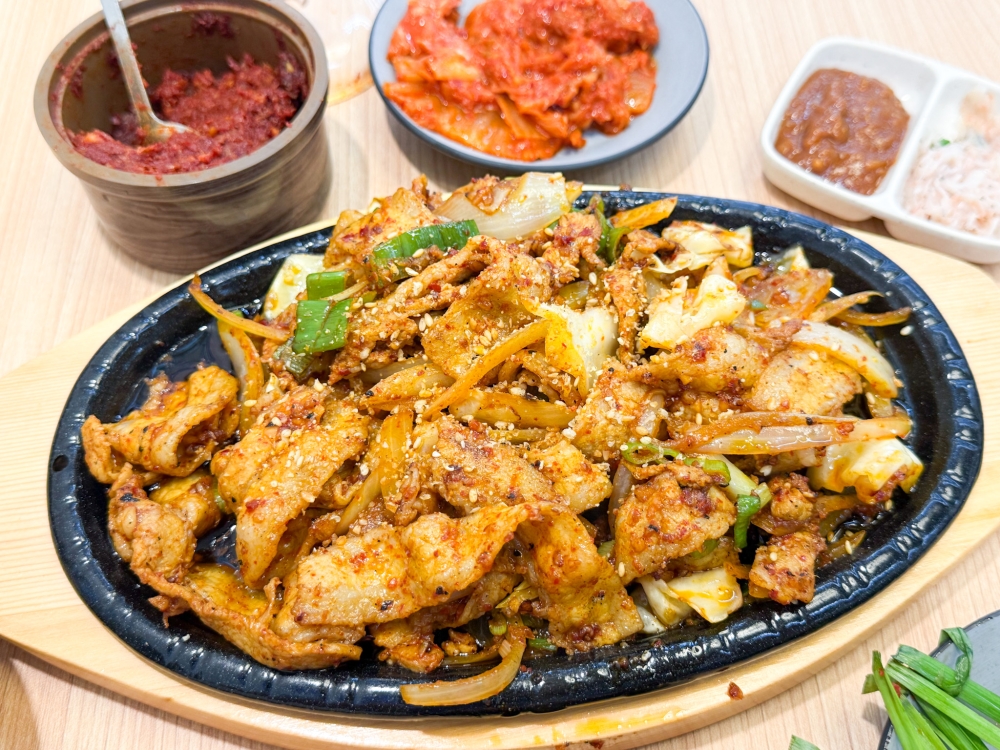
Stir-Fried Pork is the kind of dish that will require a second bowl of rice to enjoy the tender sliced pork belly with ‘gochujang’, spices and sliced onions. — Picture by Lee Khang Yi
Stir-fried Pork (RM28) or jeyuk-bokkeum is also another rice killer dish, featuring tender slices of pork belly with spicy, savoury notes from the gochujang, garlic, ginger and a touch of sweetness from sliced onions.
This version is served on a hot plate to keep it warm while you eat it with rice.
Some people order specific dishes in restaurants to test them out; for Korean places, I often test them out with Gyeran Mari (RM18) or Korean egg roll.
Their egg roll may not be super fluffy but it’s still a good companion for the meal with its flecks of vegetables that contrast beautifully with the yellow colour.
There’s also Steamed Egg (RM15) for puffy, fluffy cooked eggs too.
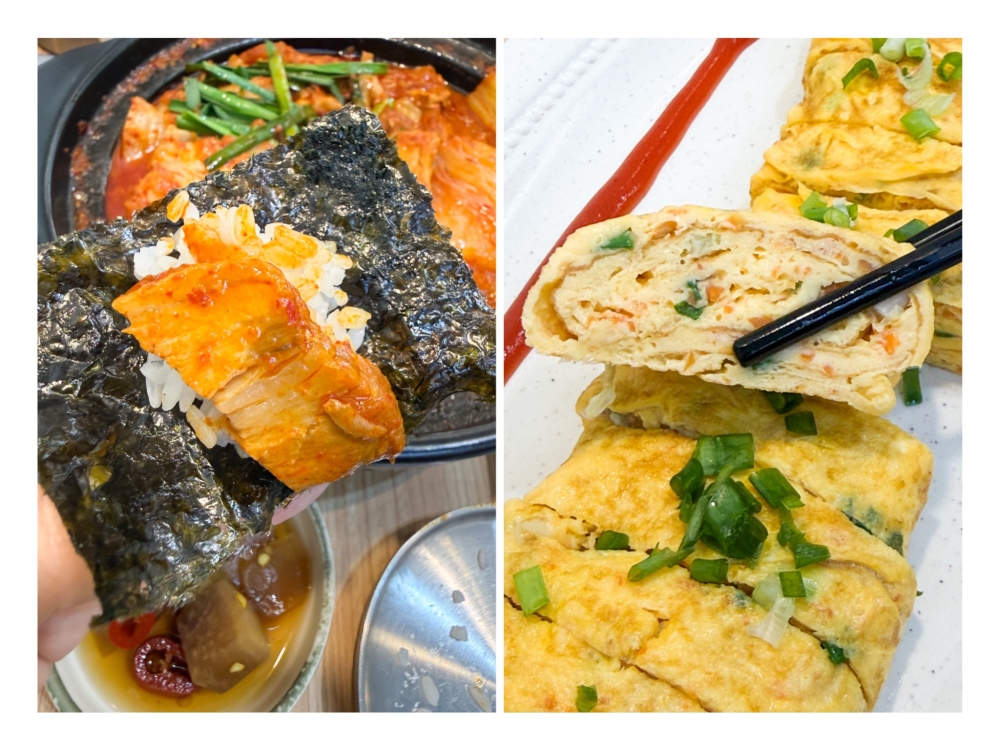
The best way to enjoy Kimchi-jjim (left) is to place the rice on seaweed with a piece of pork belly and aged ‘kimchi’. Gyeran Mari (right) is a fluffy egg roll flecked with diced vegetables. — Pictures by Lee Khang Yi
Busan Sikdang
17-1, Jalan PJU 5/4,
Dataran Sunway,
Kota Damansara, Petaling Jaya
Open daily: 10am to 10pm.
Tel: 011-54595882
Instagram: @busansikdang.my
* This is an independent review where the writer paid for the meal.
KioskNews shows a cleaned-up reading view extracted from the publisher’s page — the original always lives on their site, not ours.