The Mistral paradox: Europe’s push for tech sovereignty relies on China’s Z.ai
On August 11, a tiny line buried in a lengthy press release from French company Mistral AI spoke volumes about the strategic and technological dilemmas facing the European Union, as the bloc prepares to navigate an autumn period full of geopolitical and trade upheaval.
In a bid to roll out “European infrastructure for sovereign AI”, Mistral – Europe’s great hope in the global artificial intelligence race – said it would begin offering other companies’ models, while keeping the service itself under European control.
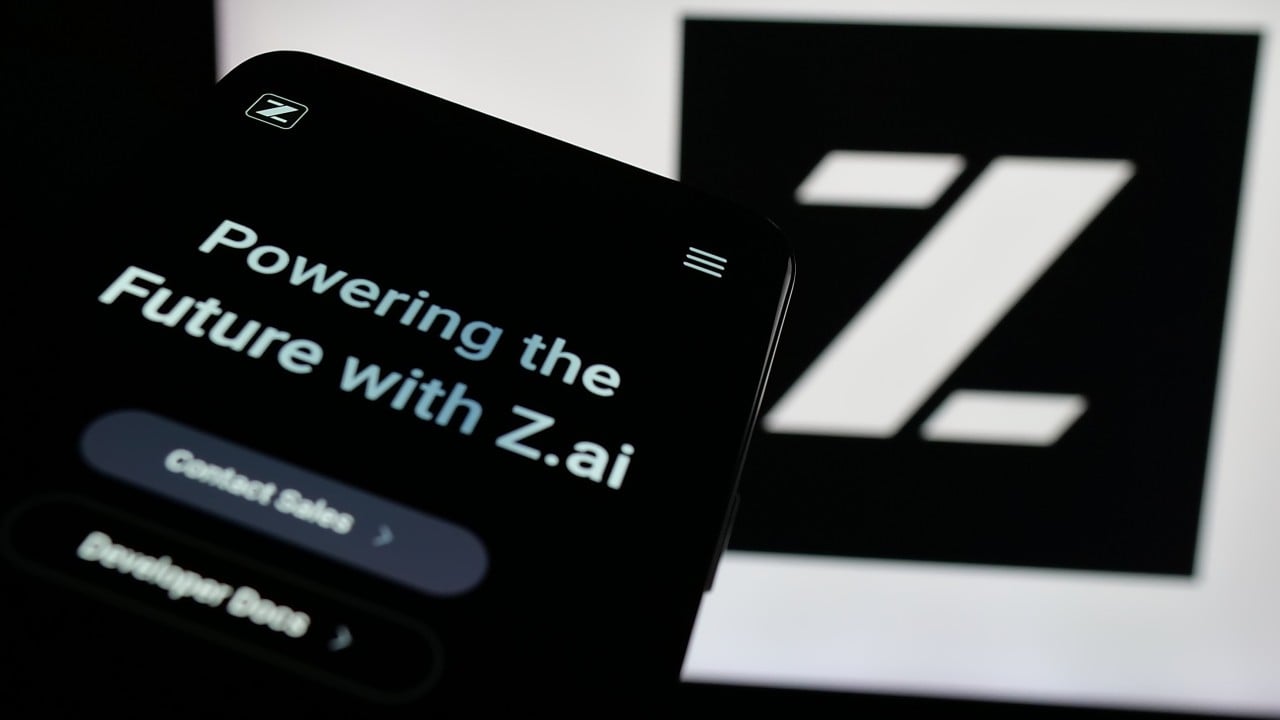
Mistral’s model of choice is GLM-5.2, an open-weight large language model developed by Zhipu, also known as Z.ai, one of China’s six “AI tiger” companies, included since 2025 on the US’ entity list because of national security concerns regarding military modernisation.
The decision to plug a Chinese AI brain into what would effectively be a European shell has raised eyebrows given the shoddy state of EU-China relations, but on practical terms it makes some sense.
Despite a deluge of political chatter about creating a sovereign European AI offering, the bloc has lagged both the US and China in investment and innovation.
02:41
EU leaders debate new China trade policy over ‘systemic threat’
Geoeconomics expert Shahin Vallee from the German Council on Foreign Relations said that a pivot to “AI adoption rather than innovation” therefore represented “the right strategy for Mistral and for Europe”.
KioskNews shows a cleaned-up reading view extracted from the publisher’s page — the original always lives on their site, not ours.