Four decades after his death, how Jalandhar keeps the spirit of Surjit alive
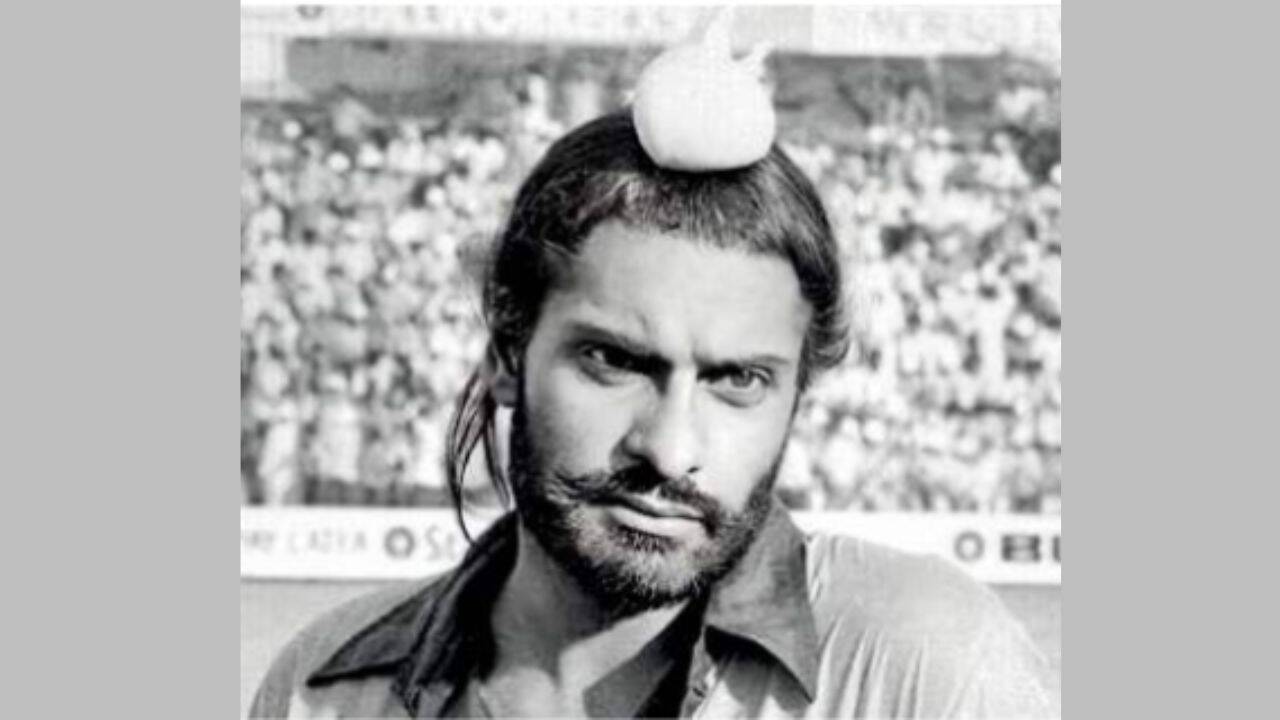
Surjit Singh Randhawa
JALANDHAR: Every city has its legends. In hockey-loving Jalandhar, Surjit Singh Randhawa is more than a legend. He remains a presence. His name greets visitors at the stadium named after him and lives on in an academy that continues to produce international players, six of whom are currently part of the Indian team, including captain Harmanpreet Singh.More than four decades after his death in a road accident in 1984, Surjit - a World Cup winner, an Olympian and an Arjuna Award recipient - remains woven into the sporting fabric of the region. The ongoing Asian Champions Trophy here has brought the spotlight back on the man widely regarded as one of India's greatest full-backs and penalty-corner specialist. It was Surjit's equaliser against Pakistan in the 1975 World Cup final that paved the way for Ashok Kumar's title-winning goal.
But for those who knew him, Surjit was not merely a hockey star. He was a teammate, a mentor, a friend and, perhaps most importantly, a symbol of what Punjab hockey once was and still aspires to be.Former India captain Ajit Pal Singh, who was India's captain in 1975, remembers Surjit as one of the pillars of that golden generation. "He was a dependable defender, a penalty-corner specialist and a fighter to the core. As captain, I always had complete faith in him as a teammate," said Ajit Pal.
Brigadier Harcharan Singh, another Olympian and three-time World Cup medallist, first saw Surjit as a teenager at a village tournament in 1969. Recognising his talent, he helped the youngster gain admission to Sports College, Jalandhar. Within a few years, the boy established himself as one of the world's finest defenders. What separated Surjit from others, according to those who played with him, was his relentless work ethic.That dedication transformed him into a player opponents feared and goalkeepers dreaded. Former India goalkeeper Alloysius Edwards never had the chance to play against Surjit but grew up hearing stories about the Punjab legend's ferocious hitting power. "I once heard from a goalkeeper playing for JCT that he fractured a finger while attempting to stop one of Surjit's penalty-corner strikes," said Edwards, who represented India at the 1996 Atlanta Olympics and currently coaches Punjab & Sind Bank's hockey team in Jalandhar.
His reputation as a penalty-corner expert became so great that many in Punjab draw a direct line from Prithipal Singh to Surjit Singh and then to present-day India captain Harmanpreet Singh, another defender who is equally lethal from penalty corners.
KioskNews shows a cleaned-up reading view extracted from the publisher’s page — the original always lives on their site, not ours.