Bali tipping row: call for Indonesian tourists to pay up triggers backlash
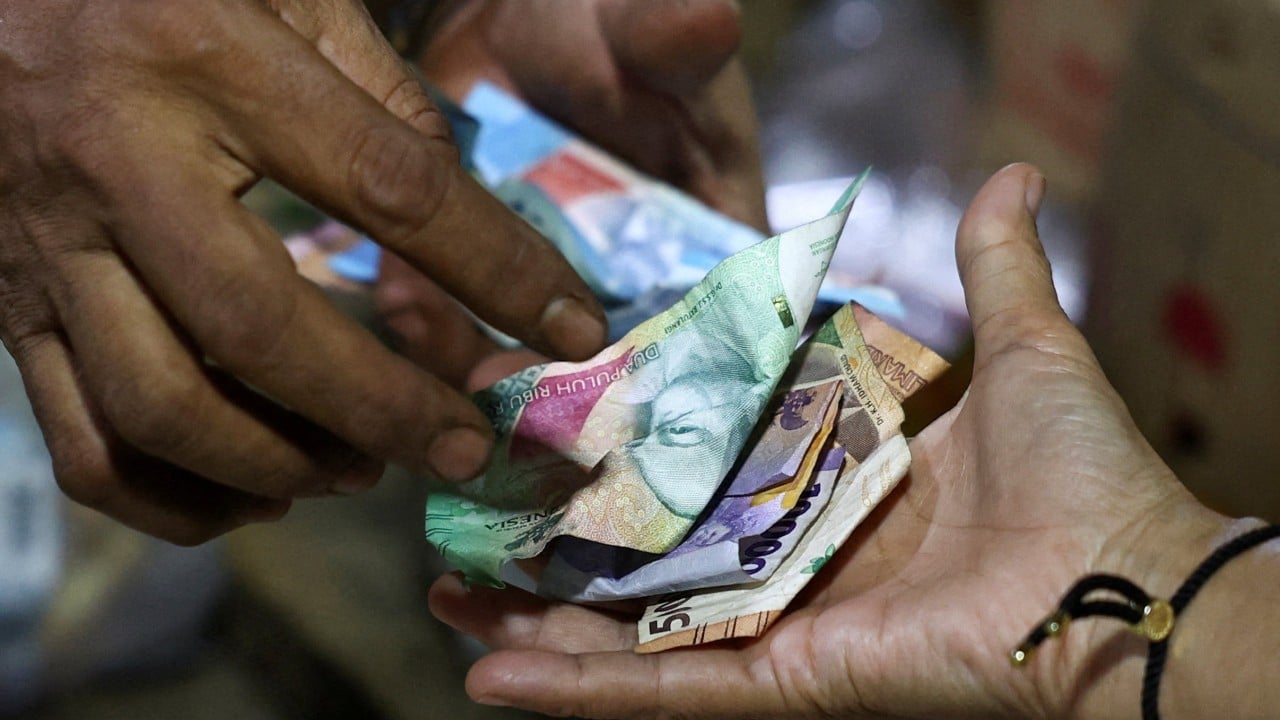
A debate over tipping culture has erupted across the Indonesian resort island of Bali and beyond, triggered by a politician’s unfavourable comparison of domestic and foreign tourists.
In a social media video, I Gusti Arya Wedakarna urged domestic tourists to “normalise giving tips in touristy places”, which he said was part of the island’s “ethics”.
“Perhaps that’s the psychological reason why Balinese people are more excited about serving foreigners,” said Wedakarna, an Indonesian Regional Representative Council senator from Bali, in the clip that went viral earlier this month.
“I’ve noticed that some of my local friends never leave tips,” he said. “They even bargain, perhaps too much, and they also want a lot [from the workers].”
He added that all tourists who came to Bali “must be protected” and there should be “no discrimination as we need all of them”.

Bali received about 16.3 million tourists last year, comprising 9.3 million Indonesians and 7.05 million other nationalities, according to data from the Bali provincial government.
A survey done by the Balinese tourism agency in 2019 found that foreign tourists spent around US$145 per day, or more than 2 million rupiah at the prevailing exchange rate. Domestic visitors, by comparison, spent just 530,000 rupiah.
Wedakarna’s comments have reignited a long-standing accusation that businesses and hospitality staff on the Hindu island discriminate against Indonesian visitors in favour of higher-spending foreigners.
In July, many Indonesians complained about being treated like second-class citizens in their own country after a running club in Bali, set up by two Dutch nationals, allegedly excluded locals from their membership and events.
“We should try going to East Nusa Tenggara or Sumba, the scenery is really beautiful and we help their economy. Bali is already too overconfident, they’re no longer appreciating local tourists,” one social media user quipped in response to Wedakarna’s comments.
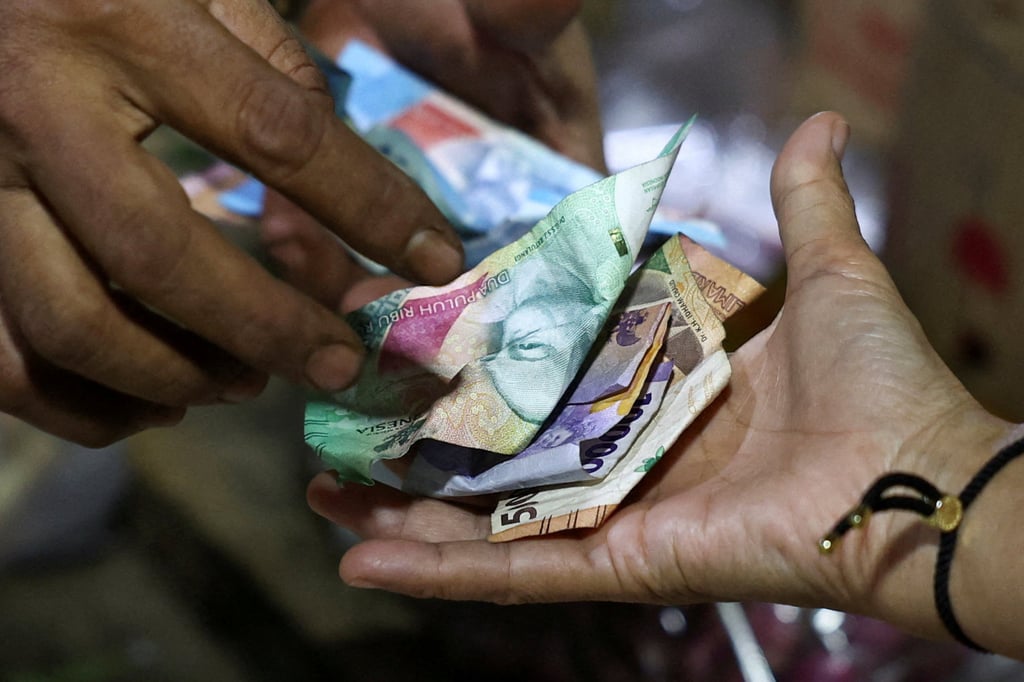
The discussion has also centred on whether tipping should be the norm in Bali, or whether it would shift the financial burden of employee welfare from business owners to consumers.
“Tipping culture is foolish,” another online commenter argued. “If implemented in Indonesia, business owners would be like those in the United States, where employees are paid below minimum wage because they’re assumed to get big tips.”
Ni Luh Djelantik, a fellow Indonesian Regional Representative Council member from Bali, said customers already paid “service charges” at most businesses, which was akin to tips for workers.
“Local tourists shop, stay, rent [accommodation] or [pay for] transportation and eat, all using rupiah,” Djelantik said in a social media post last week.
“In Bali, many poor foreigners live in boarding houses, buy takeaway meals, wait in line with locals, and at cafes, they only order water but hang out for hours, or even bring in lots of food from outside. Many of them work illegally.”
‘We never ask for tips’
Residents of Bali such as Ngurah Saka fear the controversy could damage the island’s appeal to Indonesian travellers and tarnish the reputation of local hospitality workers.
“My concern is that people will increasingly discredit Bali, and we, as residents, will be the ones in trouble,” said Ngurah Saka, 33, a civil servant in Denpasar.
“As civil servants, we know that we are heavily dependent on the tourism industry. We receive levies, revenue and the regional budget from tourism. For us, there is no difference between domestic and foreign tourists, absolutely no difference.”
Last year, Bali received 176 trillion rupiah (US$9.8 billion) from tourism-driven economic activity, almost half of the nation’s total tourism revenue, according to the island’s government data.
Accepting tips was not the “main purpose for us in doing hospitality”, Ngurah Saka said.

“When we install the internet, there’s always a warning not to tip. In hospitality, it’s actually the same. Although it’s not written down, we never ask for tips. My friends in the tourism sector also never ask for tips.”
I Putu Winastra, chairman of the Bali Regional Executive Board of the Indonesian Travel Agencies Association, also rejected the stereotype that domestic visitors were less generous than their overseas counterparts.
“We cannot generalise all 10 million domestic tourists. Not a few domestic tourists also give tips, sometimes even more than foreign tourists,” Putu Winastra said. “When we deliver service with heart, of course, guests can understand and appreciate that.”
He also insisted that Bali businesses “never discriminate” against Indonesian tourists as “everyone is equal”.
“In Indonesia in general, we must compete to provide good service to tourists from anywhere, so that they will see the extent of our professionalism as a local operator,” Putu Winastra said.
Tipping culture should be stopped
I Wayan Suyadnya, a sociology lecturer from the University of Brawijaya, said employers should ensure the welfare of their employees so that they would not have to rely on the generosity of customers.
“Local workers face immense pressure. On one hand, they must use their income to preserve their culture and traditions, but on the other, they must support their families and survive on very, very low wages,” he said.
Asking for tips was “not part of Balinese culture” as it “gives the impression that we are beggars”, Wayan Suyadnya said. “For me, the Balinese are people who are fully aware of their responsibilities. They receive salaries and they are paid, so they rarely expect tips.”
He added: “Tipping culture should be stopped. We must return to the philosophy that everything related to services should be paid by the company through fair wages.”
KioskNews shows a cleaned-up reading view extracted from the publisher’s page — the original always lives on their site, not ours.