Sabah Pan Borneo Highway progress higher than 11.4% in A-G report, says DCM
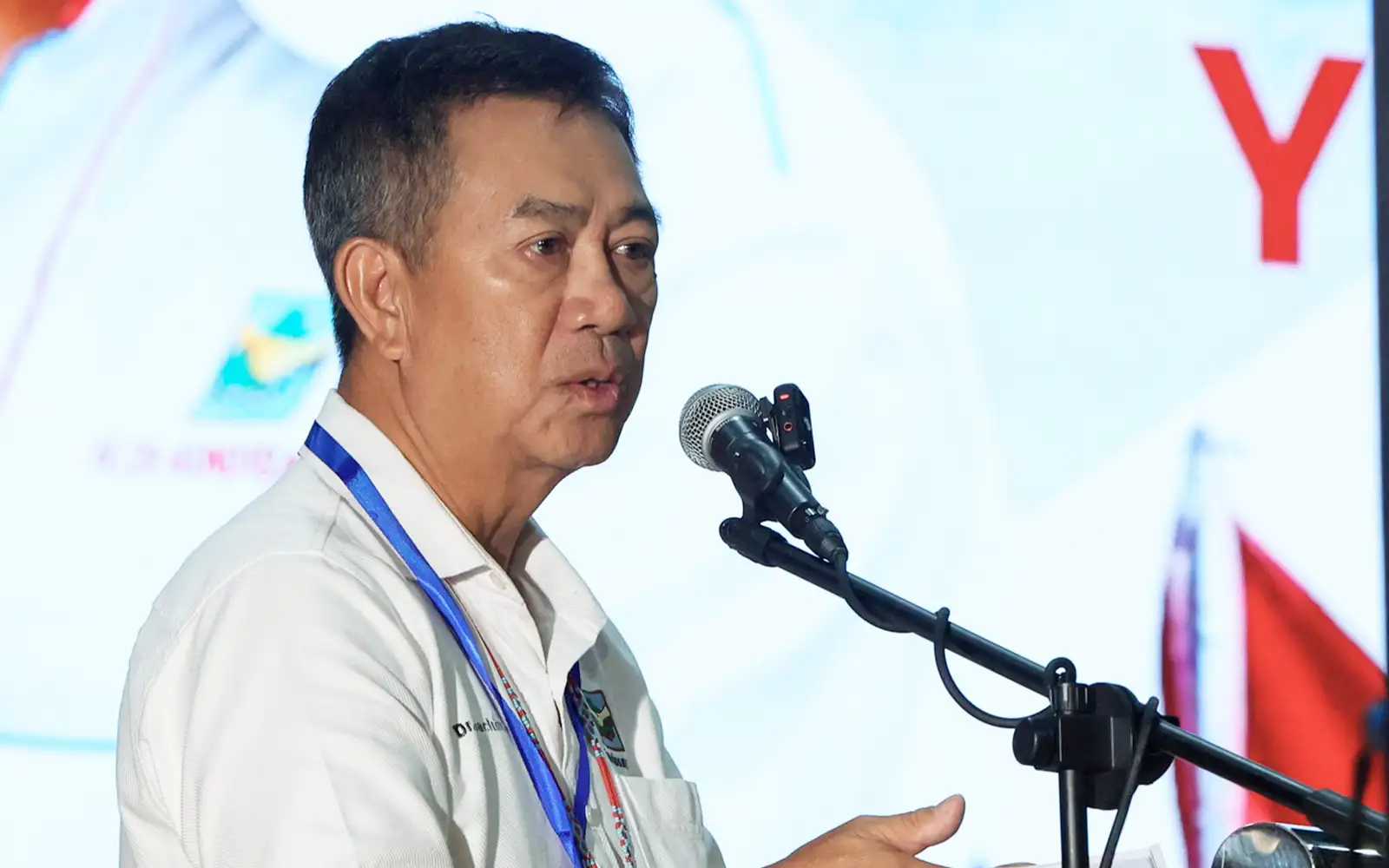
The 11.4% completion rate for the Sabah Pan Borneo Highway project highlighted in the recent Auditor-General’s Report does not reflect the actual physical progress on the ground, according to Sabah deputy chief minister Dr Joachim Gunsalam.
The state public works minister said the figure only measured the number of fully handed-over packages, which accounted for just four of the 35 packages under Phase 1 of the project.
“Although the 11.4 per cent figure is correct in terms of handed-over packages, it does not reflect overall progress as other packages are actively being built, with some alignments recording between 90%-93% physical progress,” he told reporters on the sidelines of the Gabungan Rakyat Sabah (GRS) convention here today.
He said the construction work has continued to show positive progress, with eight packages spanning 179km proposed to be opened to motorists in stages by the end of the year.
On the Variation Order (VO) issue, reported to have exceeded RM514 million, Joachim clarified that the approval for the additional cost falls under the jurisdiction of the federal works ministry and finance ministry, not the state government.
He said the Sabah public works department only acts as the technical implementing agency and has no authority to approve the VO.
According to Joachim, the VO was necessitated by actual technical factors, such as Sabah’s unpredictable hilly topography, which involves slope stability issues, as well as swampy and peat soil structures that change every one to 1.5km.
“The state government views the audit findings positively and has taken steps to address them, supported by the excellent cooperation between the state and federal governments,” he said.
Commenting on project delays, Joachim said the implementation of the Sabah Pan Borneo Highway was affected by the termination of the previous Project Delivery Partner (PDP) model, which forced a shift to the conventional method, making the project reliant on annual federal allocation approvals.
He said in addition to the impact of the Covid-19 pandemic in 2021, most contractor appointments for new packages could only be finalised between February 2024 and January 2026 after the Federal Government reconsidered the implementation method.
Joachim added that delays also stemmed from a time-consuming land acquisition process.
He explained that the government did not take a draconian approach but instead allowed landowners to appeal for compensation, while also acknowledging challenges related to the performance of some contractors.
Subscribe to our newsletter and get news delivered to your mailbox.
KioskNews shows a cleaned-up reading view extracted from the publisher’s page — the original always lives on their site, not ours.