The Best Horror Movie From Every Decade In Film History
Horror has remained one of the most enduring genres in cinema over the years. The first horror movie ever made, Le Manoir du diable, arrived in 1896 from French filmmaker Georges Méliès. Released in English as The House of the Devil and The Haunted Castle, Méliès’ three-minute film featured a bat that transforms into the Devil and conjures ghosts, witches, a skeleton, and other supernatural entities to torment those ill-advised enough to visit a spooky castle.
Audiences found Le Manoir du diable to be whimsical, creepy, and innovative, especially for its novel use of early stop-trick and jump-cut visual effects. This three-minute short film laid the groundwork for the decades of horror cinema that have followed, and each decade has been populated with classics that reshaped audiences’ perceptions of what kind of terror movies could foster.
In looking back at the history of horror, it is interesting to assess what seminal films represent the pinnacle of the genre in each decade since horror movies became a prominent fixture of cinema in the 1920s. The following not only offers a guide to the single best horror movie of each decade in movie history, but it also chronicles the fascinating evolution of a genre that has long fascinated and frightened moviegoers.
1920s: Nosferatu
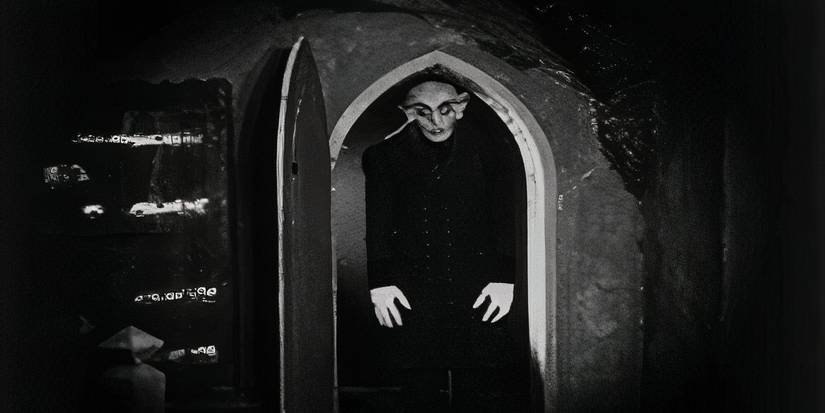
F.W. Murnau’s 1922 film Nosferatu: A Symphony of Horror is considered an instrumental piece of horror movie history, and rightfully so. Written by Henrick Galeen as an uncredited adaptation of Bram Stoker’s iconic novel Dracula, the film features unsettling imagery that still sends a shiver down one’s spine over 100 years since the film’s release.
Rather than the suave aristocrat Count Dracula is often portrayed as, Max Schreck’s Count Orlock is an off-putting blend of a thin, bald man and a rat, and has since gone on to influence the visual language of vampires in Salem’s Lot, What We Do in the Shadows, and countless other stories.
The black-and-white coloring and vintage aesthetic only makes Murnau’s film that much more terrifying. Menacing shadows, an innovative use of real outdoor locations instead of soundstages, and stark-contrast lighting all render Nosferatu a decidedly unsettling and deeply influential film. Perhaps most notable in the film is the shot of Count Orlock’s shadow creeping up a wall, an image that remains one of the horror genre’s most iconic visuals.
1930s: Frankenstein
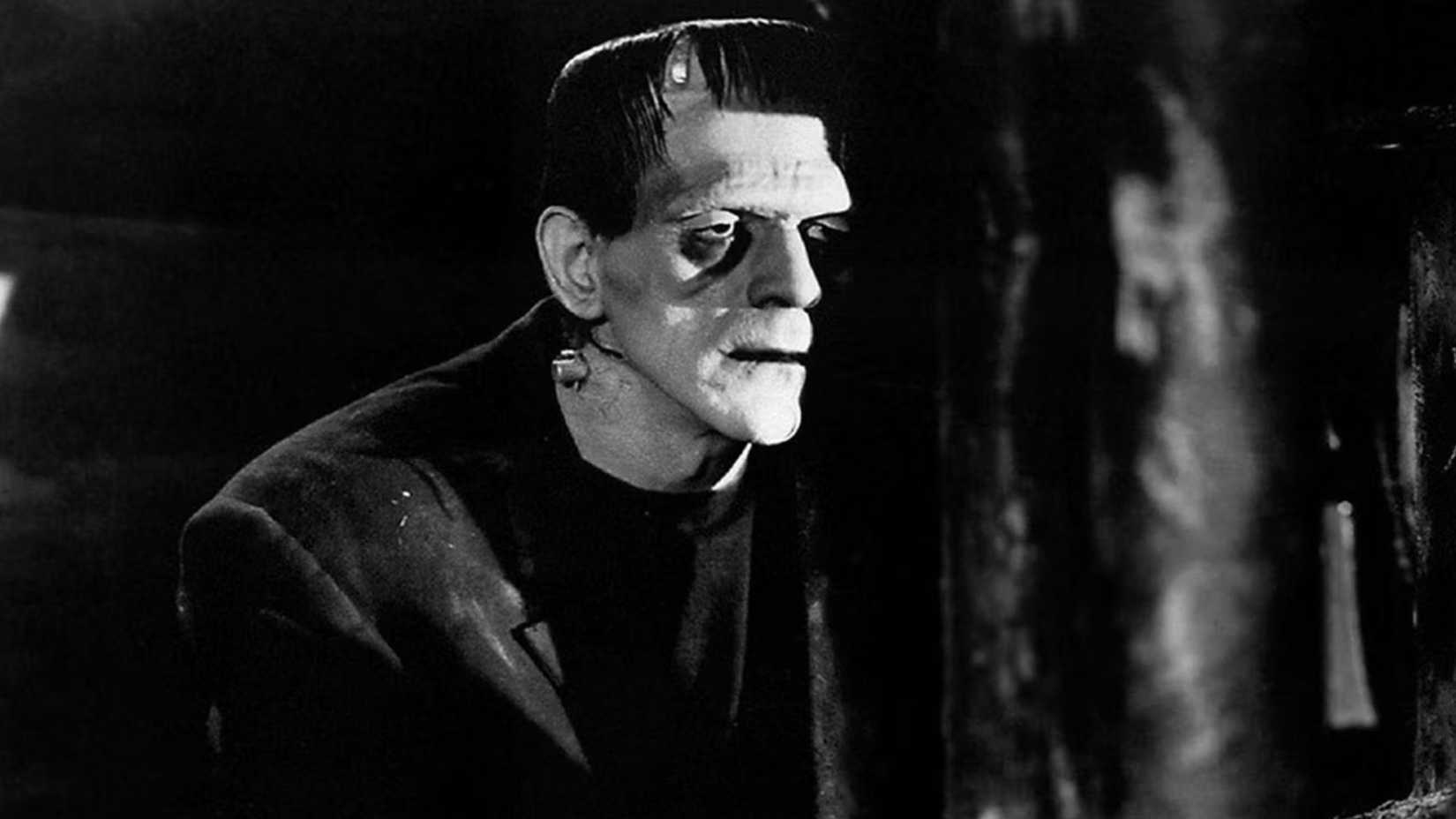
Departing markedly from Mary Shelley’s source material in its characterization of The Creature, James Whale’s Frankenstein gave the world a cultural image of Frankenstein’s monster that has endured for nearly 100 years and serves as a foundational piece of horror cinema.
Frankenstein represents one of the earliest examples of horror movies scaring and provoking thought in audiences in equal measure. For as gothic and ominous as the film is, it also taps into a number of resonant themes and ideas. Dr. Henry Frankenstein’s desire to become God finds Whale commenting on the self-destructive nature of humanity’s hubris. Boris Karloff’s unmistakable creature possesses a childlike confusion and innocence that stirs up sympathy in a being otherwise visually off-putting.
But perhaps most saliently, the film’s messaging about society’s rejection of outsiders proves particularly poignant. As relevant today as it was in the post-depression era in which the film was initially released, the tragic ending gut-wrenchingly highlights the insensitivity of humans toward those who are different and packs a lesson audiences of all ages need to experience.
1940s: The Wolf Man
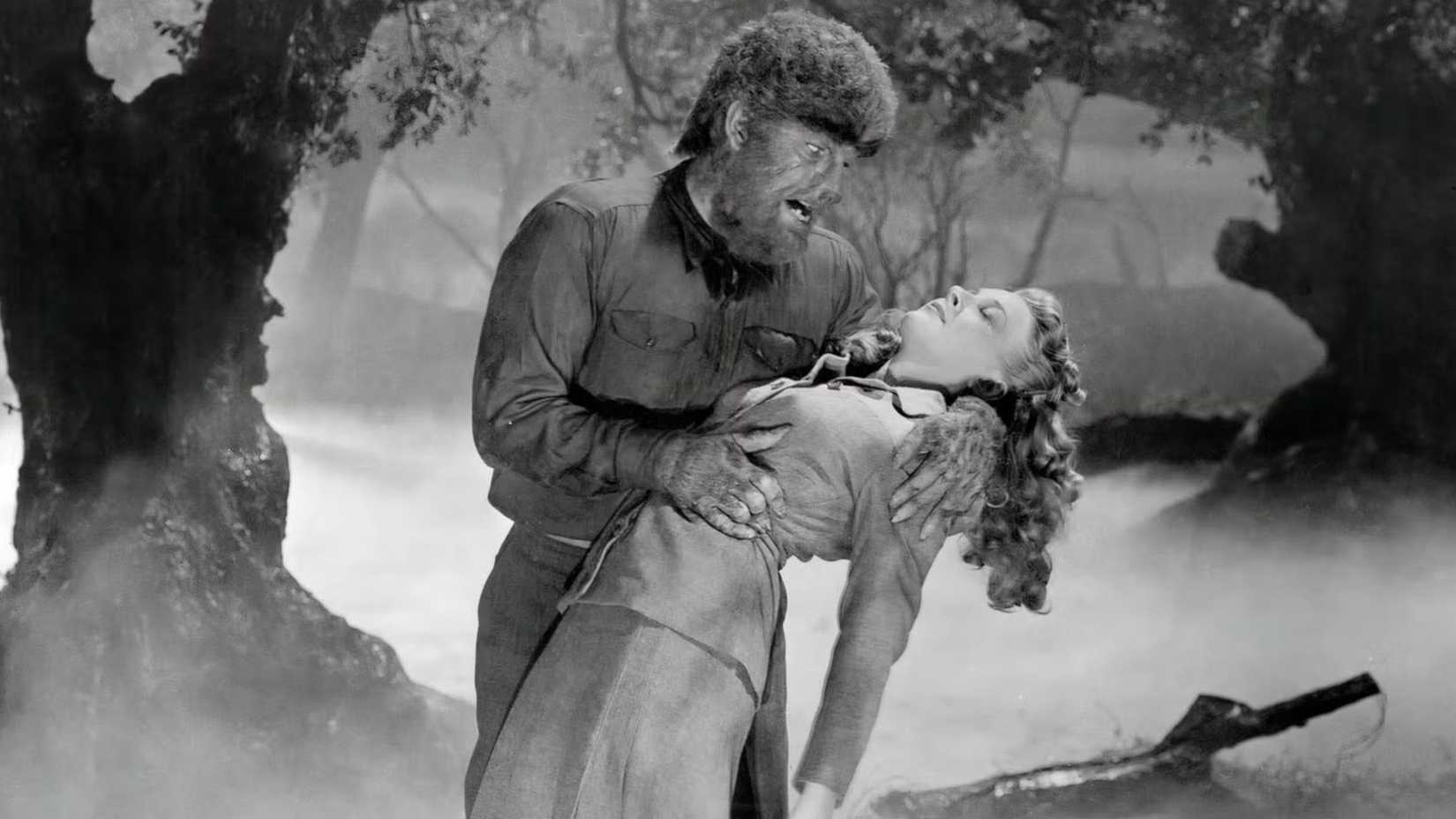
The era of Universal Movie Monsters defined much of the horror genre in the 1930s and 1940s, and there are few greater examples of what these films had to offer than 1941’s The Wolf Man.
Director George Waggner and screenwriter Curt Siodmak essentially invented much of the modern werewolf rules that movies, shows, and other pieces of media ever since have closely adhered to. The duo and their surrounding creatives used these rules to, like Frankenstein, tell a story both emotional and horrifying.
The Wolf Man is an early work of body horror as it depicts the aftermath of an innocent man being bitten by a werewolf, who was brought to life with groundbreaking yak-hair application and lap-dissolve camera trickery that continues to impress to this day. Waggner’s heavy use of fog and shadows renders his film spooky and atmospheric, while subtle commentary on the loss of autonomy, inescapability of fate, and the duality people face between civilized restraint and sinful impulses leave one with a film far more nuanced than a straight-forward creature feature.
1950s: House On Haunted Hill

Vincent Price is a legend of the horror genre, with numerous contributions over decades that could easily make this list. However, none of his works represents the apex of a decade’s worth of horror cinema as outstandingly as House on Haunted Hill.
At its core, the film is a whodunnit, kicked off by an eccentric millionaire’s decision to invite five strangers to spend the night in his spooky mansion. Anyone who lasts until morning will be given $10,000, a considerable sum given the film’s 1959 release date.
House on Haunted Hill is a masterclass in how to blend horror and humor. The delectably eerie atmosphere, punctuated by a number of striking visuals, is offset by a tinge of camp humor, anchored by Price’s stellar performance. The film features a handful of genuinely well-crafted plot twists, and exists as a bridge between Gothic ghost stories of the past and modern slashers of the future.
1960s: Psycho

With imagery and a score instantly recognizable to most, even those who have not seen the film, Psycho is the finest achievement of the horror genre in the 1960s.
Alfred Hitchcock's acclaimed film needs to be seen to be believed, such is the incredible sense and narrative ingenuity it features. Manipulating audience members’ expectations every step of the way, Hitchcock breaks the rules of conventional storytelling with a jaw-dropping twist before crafting the iconic shower scene, which is still easily one of the most visceral and terrifying sequences in cinema history.
The dichotomy of normality and madness, the Freudian underpinnings of psychopathy, and the deeply unsettling notion that we can “all go a little mad sometimes” make Psycho a riveting, unnerving, and singular watch.
1970s: Halloween

John Carpenter’s original Halloween made walking down regular suburban neighborhoods in the broad daylight terrifying. While the likes of Psycho and The Texas Chainsaw Massacre had laid the groundwork for slashers, the sub-genre became a craze after Carpenter unleashed the pale-masked Michael Myers in the quiet streets of Haddonfield, Illinois.
Prioritizing nail-biting suspense over gore and featuring a minimalist electronic score that immediately provokes terror with just a few notes, Halloween epitomizes the ‘show less, scare more’ philosophy that has characterized many of the great horror movies that have followed it.
From the chilling first-person POV sequence that kicks off the film to Michael Myers’ baffling vanishing after being shot and falling off of a balcony, Halloween, like its masked killer, is simply perfect and perfectly simple. The lack of explicit motive for Myers makes him an un-rationalizable force of nature and, in turn, helps Carpenter engineer a masterwork of the horror genre that found novel ways to frighten audiences and turn the familiar and comfortable into the frightening and catastrophic.
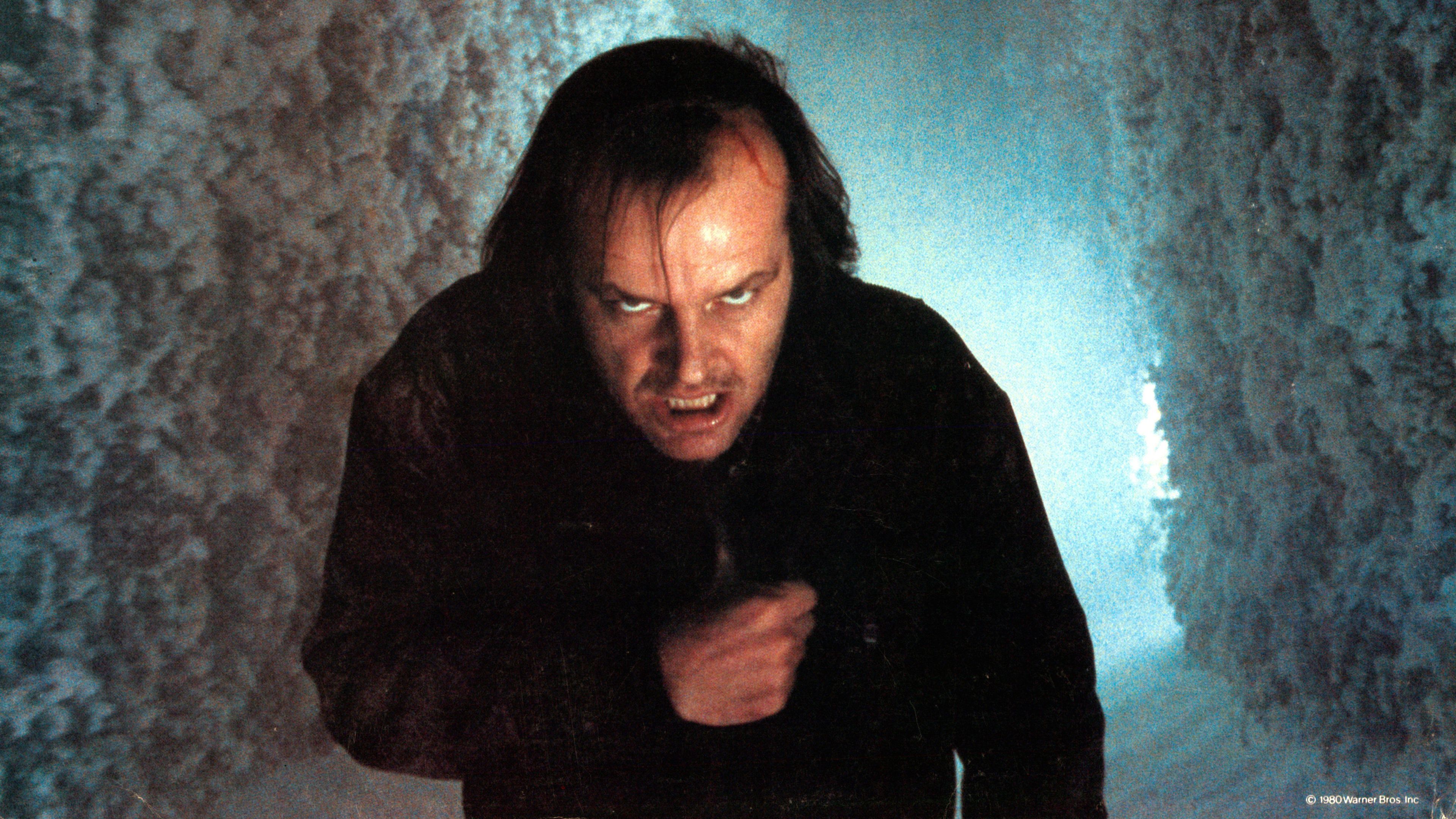
1980s: The Shining

Just two years after Carpenter masterminded Halloween, Stanley Kubrick came along to deliver one of the most talked about and meticulously crafted films in history.
Based on the Stephen King novel of the same name, The Shining allows Kubrick to make the story of Jack Torrance and The Overlook Hotel his own with pitch-perfect visuals, line deliveries, and a score.
On the surface, The Shining is a chilling film about a father and aspiring writer descending into madness while isolated at a snowy hotel with his wife and young son. But the film has lingered so enduringly in the minds of cinephiles as Kubrick masterfully made a movie that can be interpreted through so many different lenses and populated with so many hidden details and subtext. Interpretations that explore how the film can be seen to delve into generational abuse, indigenous trauma, and even the moon landing help make Kubrick’s film so powerful nearly 50 years since its release.
1990s: The Silence Of The Lambs

The rare winner of the “Big Five” Academy Awards (Best Picture, Director, Actor, Actress and Screenplay), The Silence of the Lambs found terror in a psychological chess match between an FBI trainee and a cannibalistic serial killer.
Anthony Hopkins’ chilling, hyper-intelligent, and offputtingly cordial portrayal of Dr. Hannibal Lecter instantly made him an iconic horror movie villain, while Jodie Foster’s expert performance subverts the trope of female characters being passive victims.
Director Jonathan Demme, much like Hitchcock, realizes that tension and intimate close-ups are scarier than graphic violence and jump scares and, in doing so, creates perhaps the greatest psychological thriller of all time.
2000s: Saw
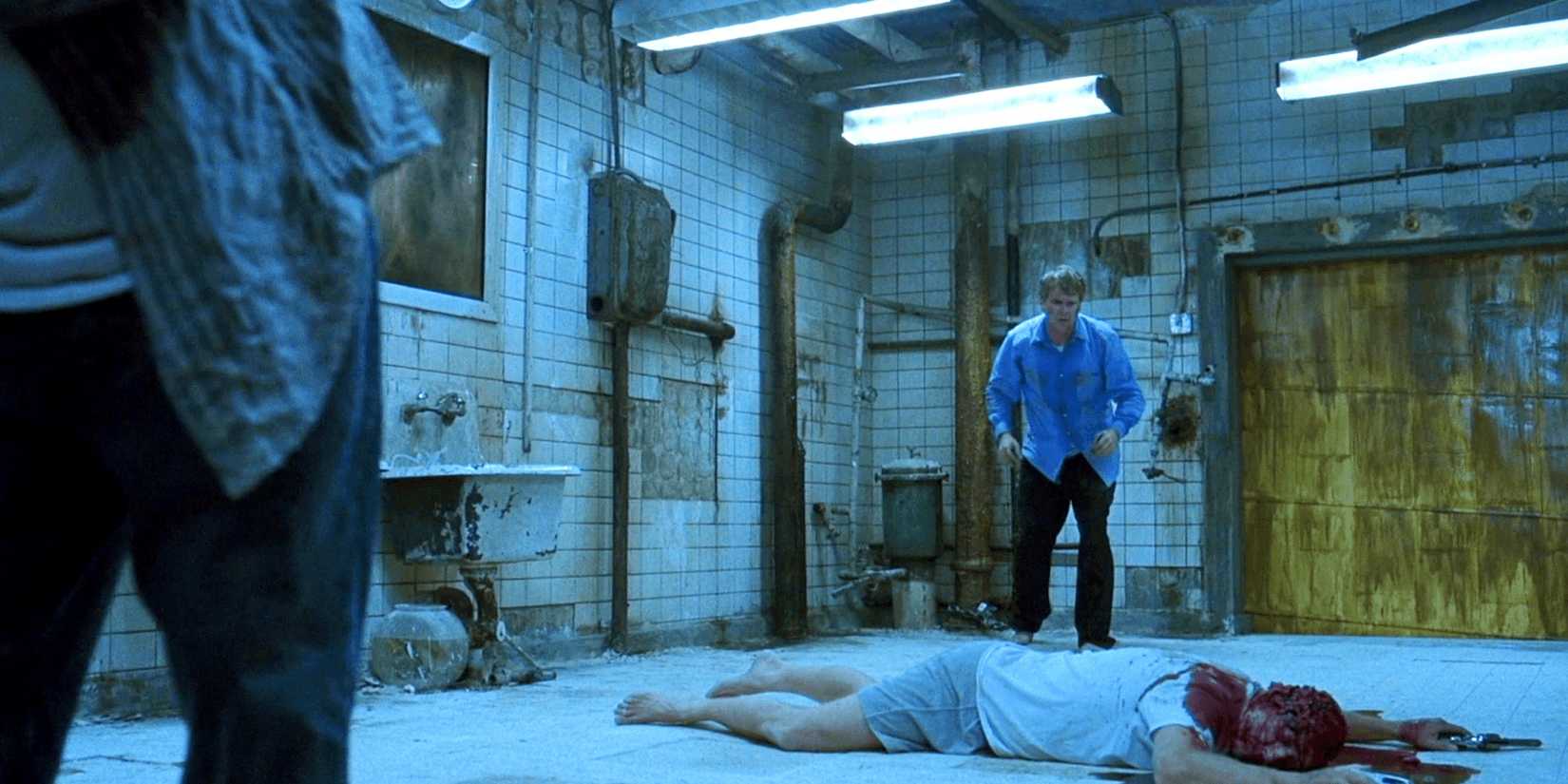
A micro-budget horror movie that launched a massively popular franchise, Saw put James Wan and Leigh Whannell on the map and gave life to John Kramer / Jigsaw, a new icon of the horror genre.
For as gratuitous as some of the later installments in the Saw franchise become, the original Saw does not receive the credit it deserves for just how clever it is. The climactic plot twist is the definition of a jaw-dropper, while Wan and Whannell’s careful weaving of a non-linear narrative means their debut feature keeps one guessing to the very end.
Saw also thrives in its exploration of its characters’ moral compasses. In turn, Wan and Whannel put viewers in the shoes of Whannell’s character Adam and allows them to consider the uncomfortable implications of moral failings.
2010s: Hereditary

A devastating portrait of grief and trauma that immediately established Ari Aster as a key figure in the contemporary horror scene, Hereditary is the finest horror film of the 2010s.
Instead of treating trauma as a heavy-handed backstory, Aster positions devastating grief as the very entity that brings so much destruction and mental deterioration to a once-happy family. The deliberate framing, jolting pacing, and occult underpinnings only make this theme terrify that much more effectively.
Toni Collette delivered an Oscar-worthy performance as Annie, playing the character with incredible physical commitment and raw emotion. It’s still such an egregious snub that she was not afforded an Academy Award she so rightfully deserved.
2020s (So Far): Longlegs

Perhaps a controversial selection for the best horror film of the 2020s to date, Osgood Perkins’ Longlegs builds on serial killer horror movies like The Silence of the Lambs to become possibly the scariest film on this entire list.
Nicolas Cage’s portrayal of the titular serial killer is quite a sight to behold. Unhinged and infinitely meme-worthy, Longlegs brings a revolting eccentricity to the proceedings and amplifies the tension considerably every moment he graces the screen.
But the star of Longlegs is Osgood Perkins, whose reliance on off-putting, static wide frames and negative space give his film the disconcertment of navigating through a horrible dream. His screenplay, which blends supernatural scares, serial killer thriller, doll horror, and police procedural, serves as the foundation for a brilliantly atmospheric and slow-burn horror movie that catapulted Perkins to the apex of contemporary horror movie filmmakers.
KioskNews shows a cleaned-up reading view extracted from the publisher’s page — the original always lives on their site, not ours.