Consumers to Pay More for Electricity as EPRA Announces New October Charges
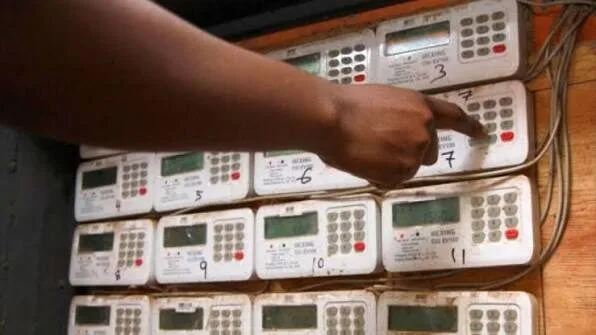
NAIROBI, Kenya, Oct 11 – Electricity consumers will face additional costs in October after the Energy and Petroleum Regulatory Authority (EPRA) announced new monthly adjustments, including a fuel energy charge of Sh3.22 per kilowatt-hour (kWh).
The latest adjustments also include a foreign exchange fluctuation charge of 87 cents per unit and a water resource management levy of 1.34 cents per kWh, bringing the combined additional charges to approximately Sh4.10 per unit consumed.
In a notice dated Friday, October 9, EPRA said the foreign exchange adjustment would apply to meter readings taken in September 2026, while the fuel energy cost and water resource management levy would apply to October readings.
“Pursuant to the 2023 Schedule of Tariffs, all electricity prices will attract an additional Water Resource Management Authority levy of 1.34 cents per kWh for meter readings taken in October 2026,” the regulator said.
The adjustments will affect households and businesses according to their electricity consumption, adding to the cost of power purchased through prepaid tokens and postpaid billing.
The fuel energy cost reflects expenses associated with electricity generated by thermal power plants, as well as imported power. Electricity generation from thermal plants relies on fuel, making the cost of production sensitive to changes in fuel prices.
The water resource management levy, meanwhile, is intended to cover costs associated with managing water resources used in hydropower generation.
EPRA also reported that Kenya purchased approximately 304.82 million kWh of electricity from hydropower plants with installed capacities of at least one megawatt in September 2026.
The facilities included Gitaru, Kamburu, Kiambere, Kindaruma, Masinga and Turkwel, which contribute to the country’s electricity supply.
The foreign exchange adjustment reflects changes in the cost of electricity generation and supply arising from exchange-rate movements.
Power purchase agreements and other electricity-related costs may be denominated in foreign currencies, particularly the US dollar. Changes in the value of the shilling against these currencies can therefore affect the amount electricity suppliers pay, with the applicable adjustments passed on to consumers through monthly electricity charges.
Although the individual levies and adjustments may appear small, their combined effect increases the cost of each unit consumed.
For households that use more electricity, the additional per-unit charges will translate into a larger increase in their monthly bills, while businesses with high electricity demand will also face higher operating costs.
The latest announcement comes as EPRA continues to apply monthly adjustments to electricity tariffs to account for fuel costs, exchange-rate movements and other approved charges.
KioskNews shows a cleaned-up reading view extracted from the publisher’s page — the original always lives on their site, not ours.