Khawaja Asif Flags "Bureaucratic Exodus" In Pak Amid Army Chief Asim Munir's Growing Influence
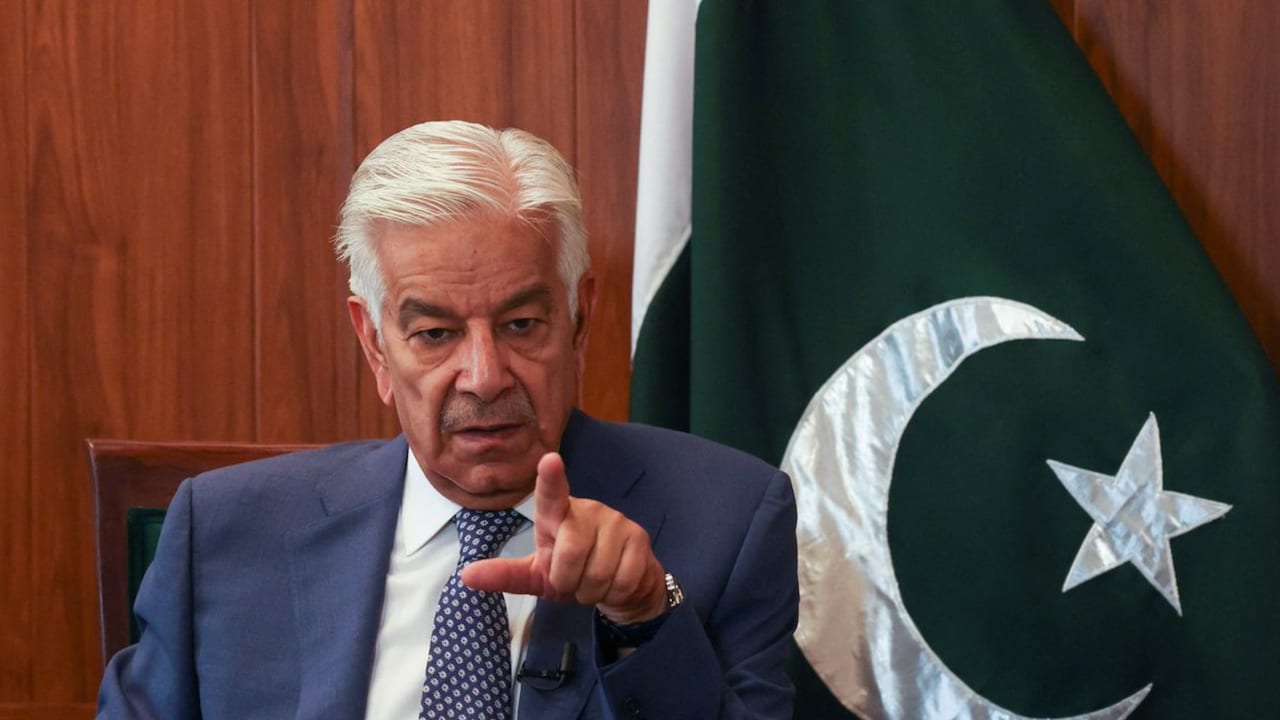
Amid reports of Army Chief Asim Munir's growing influence over governance in Islamabad, Pakistan's ruling elite seems to be losing faith in Prime Minister Shehbaz Sharif's elected government. Pakistan's Defence Minister, Khawaja Asif, has raised concerns about what he described as a "significant exodus" of bureaucrats, claiming that many planned their relocation to foreign nations while still in office.
Taking to X, Asif noted that many officers in Pakistan's bureaucracy made Canada, the United States, the United Kingdom and other European countries their permanent homes over the past several years.
'The Bureaucratic Exodus'
"They [bureaucrats] prepared for this while they were employed by the Government of Pakistan, doing so under a deliberate plan. This raises questions about their commitment to their homeland and their jobs during their tenure," Asif said.
The Defence Minister, according to an Express Tribune report, noted that Portugal had emerged as one of the favoured destinations for what he described as a "bureaucratic exodus" in recent years. He added that the officers whose names emerged in connection with the matter had held important positions and were close to successive governments.
Without naming anyone or providing documentary evidence, Asif further alleged that a person who facilitated permanent residency (PR) arrangements with these bureaucrats had fled after collecting substantial sums of money from the officers.
The minister also raised questions about the commitment of such bureaucrats, asking whether their loyalty to Pakistan remained beyond suspicion throughout their careers. Asif also raised doubts about the conduct of officials who, he said, had enjoyed opportunities to accumulate wealth through both legitimate and illegitimate means while remaining favoured by politicians.
"Does it rise above all doubt and suspicion, or are they merely in transit?" Asif asked, as he questioned whether such bureaucrats viewed Pakistan as a mere temporary stop before settling abroad.
Pakistan Hybrid Regime
The allegations have redirected focus on the functioning of Pakistan's civilian-military hybrid regime's civil service, overseas asset ownership and accountability mechanisms. In Pakistan, civilian bureaucracies function under the heavy shadow of the armed forces, which has historically been an important stakeholder and, in many instances, a prime mover in the country's political system.
The current Shehbaz Sharif-led Pakistan Muslim League (N) government, standing with the support of the Pakistan People's Party, is seen as dependent on Asim Munir, whose fortunes at home received a tremendous boost since he found a place in US President Donald Trump's good books.
Munir has used his newfound confidence to introduce fundamental changes to the system, which have somewhat undermined the country's democratic and constitutional institutions.
KioskNews shows a cleaned-up reading view extracted from the publisher’s page — the original always lives on their site, not ours.