Dental floss vs water flosser: Dentist explains which is better for your teeth
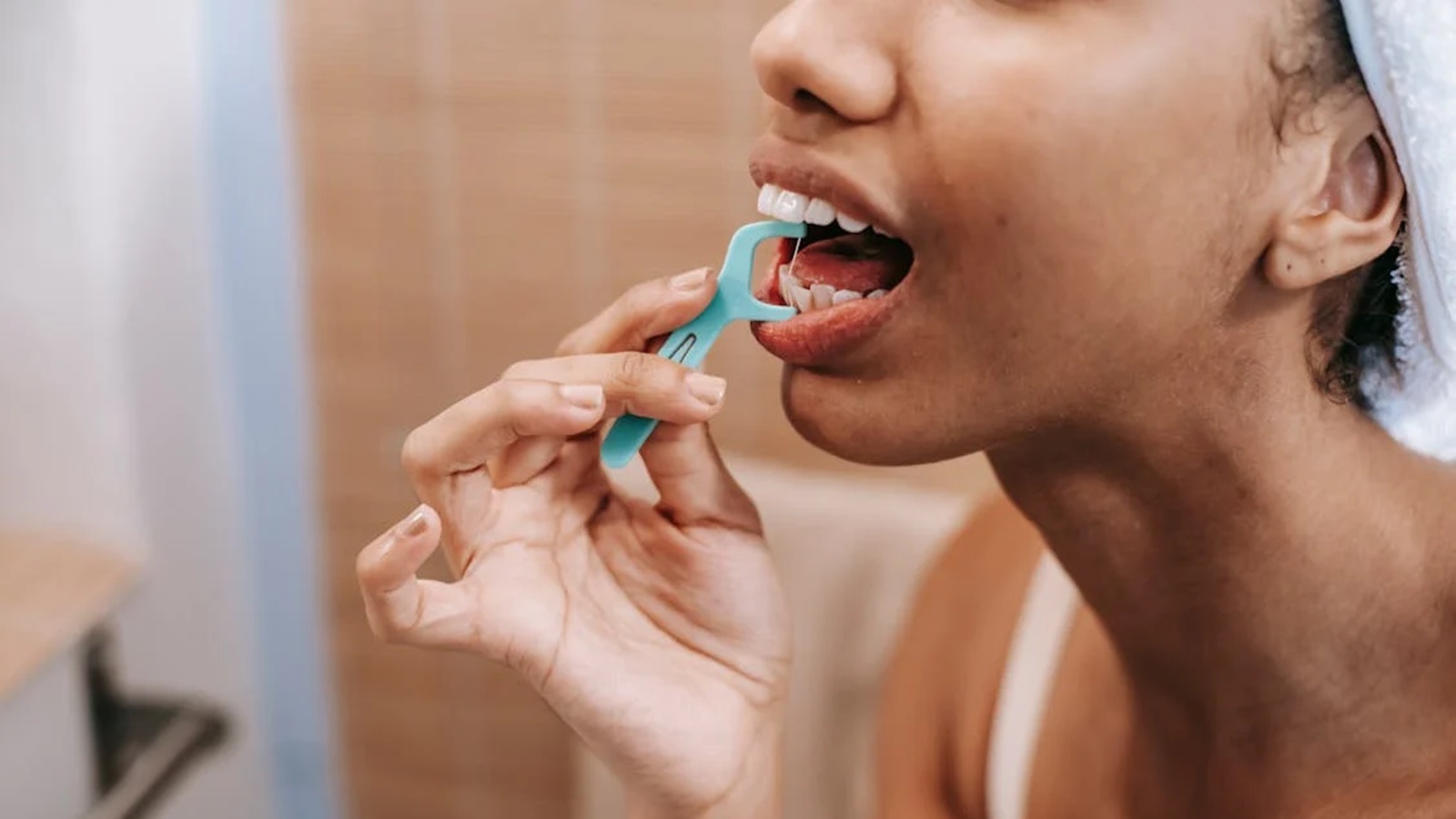
Discover which option tackles plaque buildup more effectively, removes food particles, and offers easier use for those with braces or dexterity issues. (Source: Pexels)
Brushing twice a day is a cornerstone of oral hygiene, but reaching those tight spaces between teeth requires another tool: floss. But the age-old question remains: standard dental floss or a water flosser?
Dr Nisha Thakkar, cosmetic dentist at Dr Karishma Aesthetics, weighs in on the pros and cons of each method to help you pick your flossing champion.
The humble floss: A reliable warrior
Standard dental floss remains a highly effective tool, according to Dr Thakkar. It excels at:
Plaque Removal: Floss effectively scrapes away plaque, that sticky film harbouring bacteria, from tight spaces between teeth, reducing gum disease risk.
DISCLAIMER: This article is based on information from the public domain and/or the experts we spoke to. Always consult your health practitioner before starting any routine.
Simple and Affordable: Floss is readily available, inexpensive, and requires no special equipment.
Technique Flexibility: Floss allows for precise control and manoeuvring around teeth and dental work.
Dental floss may not be for everyone
While effective, floss isn’t perfect for everyone. Dr Thakkar offers solutions for common challenges:
Story continues below this ad
- Floss Getting Stuck? Try waxed floss, which glides more easily between teeth.
- Flossing Dexterity Issues? Floss holders provide a handle for easier manipulation.
- Alternatives Exist: Consider interdental brushes, picks, or sticks designed specifically for cleaning between teeth.
 Flossing, regardless of the method, is crucial for optimal oral health. (Source: Pixabay)
Why you should pick a water flosser
Water flossers, also known as oral irrigators, have gained popularity. Here’s how they stack up, according to Dr Thakkar:
Food Particle Removal: Water flossers excel at dislodging food particles lodged between teeth.
Potential Plaque Removal: Water flossers can disrupt and remove some plaque, but may not be as effective as floss in scraping it away.
Ease of Use: Water flossers can be easier to use for people with dexterity issues or those with braces or implants.
While convenient, water flossers come with some considerations:
Story continues below this ad
- Targeted Cleaning?: Water flossers may not reach all the nooks and crannies between teeth as effectively as floss.
- Sharing is Not Caring: Don’t share water flossers because they can spread bacteria.
- Cost and Maintenance: Water flossers require an initial investment and regular cleaning.
Ultimately, the best flossing method is the one you’ll use consistently. Dr Thakkar emphasises, “If you use standard floss effectively and experience no issues, there’s no need to switch.” However, water flossers offer a valuable alternative for those who find traditional flossing difficult or prefer a different approach.
The key takeaway? Flossing, regardless of the method, is crucial for optimal oral health. Consult your dentist to determine the flossing technique that best suits your needs and smile!
DISCLAIMER: This article is based on information from the public domain and/or the experts we spoke to. Always consult your health practitioner before starting any routine.
KioskNews shows a cleaned-up reading view extracted from the publisher’s page — the original always lives on their site, not ours.