DPP seeks extradition of Kenyan man to UK over girlfriend’s murder
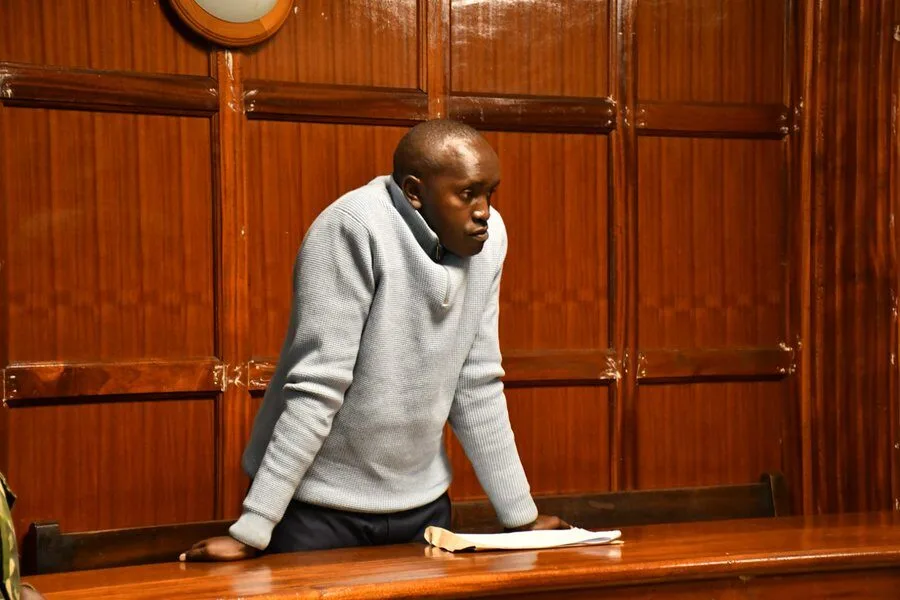
NAIROBI,Oct 30 – The Director of Public Prosecutions (DPP) has asked a Kenyan court to order the extradition of Brian Kiprop Kiplagat to the United Kingdom to face charges, including the alleged murder of his girlfriend, Marianne Kilonzi.
The prosecution wants Kiplagat surrendered to British authorities to answer to eight counts arising from alleged offences committed in Woolwich, within the London Borough of Greenwich, between January 12 and January 28, 2025.
Senior Assistant Director of Public Prosecutions Duncan Ondimu, who is leading the prosecution, opposed attempts by the defence to introduce evidence challenging aspects of the extradition request.
Ondimu argued that the proceedings were not intended to determine whether Kiplagat committed the alleged offences, but to establish whether the legal requirements for his extradition had been met.
He maintained that the allegations should be heard and determined by the courts in the jurisdiction where the offences are said to have occurred.
According to the prosecution, Westminster Magistrates’ Court issued warrants against Kiplagat in connection with eight counts, including murder, manslaughter, two counts of perverting the course of justice and four counts of fraud by false representation.
The charges relating to obstruction of justice concern allegations that Kiplagat placed laundry beads on Kilonzi and removed her mobile phone from her residence.
The four fraud counts relate to alleged unauthorised transfers of money from Kilonzi’s bank accounts into accounts held by Kiplagat, as well as the alleged unlawful use of her credit card.
Court documents presented in support of the extradition request indicate that Kiplagat and Kilonzi began their relationship in January 2024 after meeting on WhatsApp.
By September of the same year, Kiplagat had reportedly moved into Kilonzi’s residence.
The prosecution told the court that Kiplagat’s constitutional rights would be safeguarded throughout the extradition process, including his right to access healthcare.
It also assured the court that property belonging to him but unrelated to the extradition proceedings would be returned.
The DPP argued that surrendering Kiplagat to the UK would allow the allegations to be addressed through the appropriate judicial process while ensuring compliance with the law and protection of his rights.
The extradition proceedings do not determine Kiplagat’s guilt or innocence on the underlying charges, which remain allegations to be tested before the relevant court if he is surrendered.
The matter will be mentioned on November 5, 2026, while the court is scheduled to deliver its ruling on November 19, 2026.
KioskNews shows a cleaned-up reading view extracted from the publisher’s page — the original always lives on their site, not ours.