Average child has spent over 53 school days on social media since ban announcement
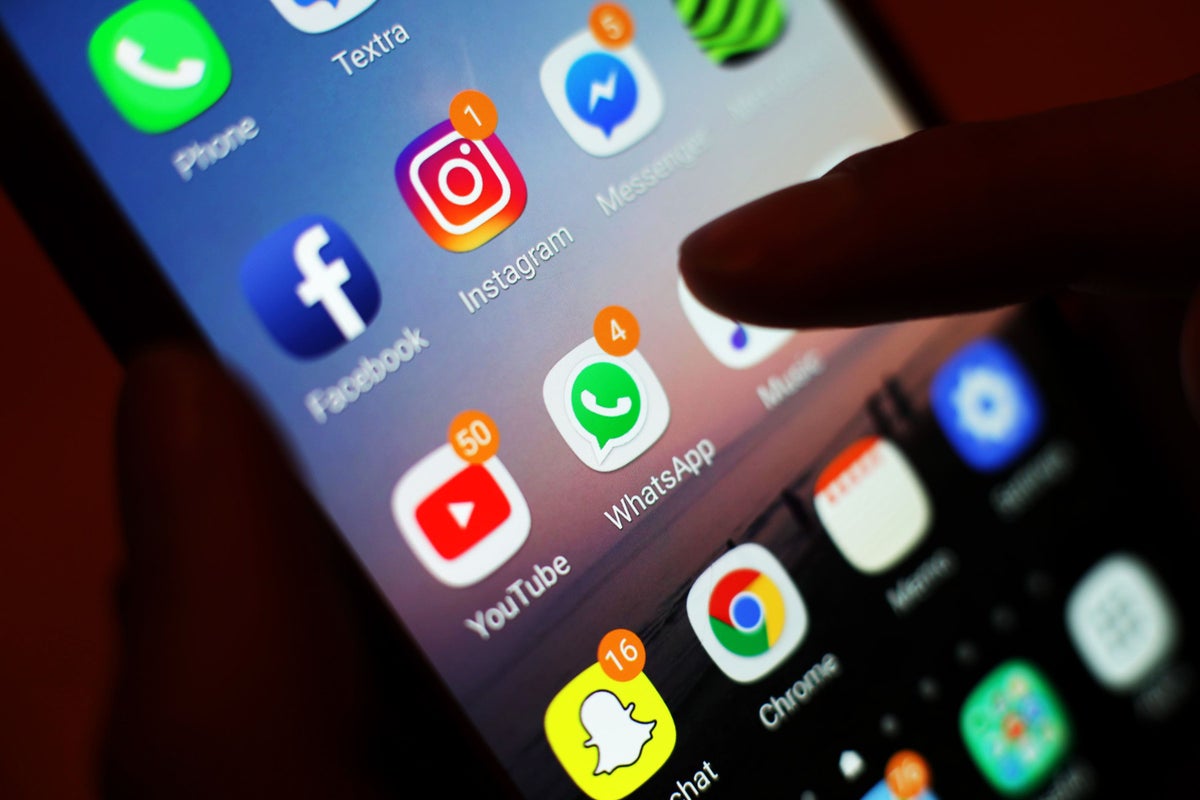
The average child in the UK has spent almost 53 school days on social media since the government announced a social media ban for under-16s, it has been revealed.
Sir Keir Starmer announced the ban on 16 June under his premiership, with the intention of using the same model for a social media ban as Australia.
The ban includes going further to tackle AI chatbots and introducing more measures to enforce age verification.
Platforms like Snapchat, TikTok, YouTube, Instagram, Facebook and X will all come under the ban. Messaging services like WhatsApp and Signal will not be included in the social media ban. However, the new protections will not be implemented until March 2027.
Big Tech's Little Victims campaign’s new live tracker found that, in the four months since the announcement, children have each spent the equivalent of almost 53 school days on social media.
Thousands of 13-year-olds have started using platforms for the first time and will remain able to do so until March 2027.
It also found that the average UK child will spend around 736 hours on social media between the announcement and the date the ban will take effect.
The campaign, led by the National Education Union (NEU) and a coalition of supporting organisations, experts and community leaders, claims the tracker makes the impact of the wait for protections visible in real time, as each passing day means more children joining platforms and more time spent exposed to addictive design and harmful content.
Daniel Kebede, general secretary of the National Education Union, said: “The government’s commitment to raise the age of social media access to 16 from March 2027 is an important step, but the clock is still ticking for children.
“Platforms know when users are 13, yet teachers across the country are seeing harmful online content shape pupils’ behaviour, attitudes and language every day.
“Teachers overwhelmingly believe social media platforms are driving this problem, while parents are left to manage the fallout at home. The government must now publish the detail, ensure the new age requirement is robustly enforced and set out what they will do to protect children between now and March.”
The social media ban was welcomed by online safety campaigners who believe they lost their children to internet challenges.
Ellen Roome, whose son, Jools Sweeney, died aged 14 in 2022, told The Independent: “It’s too late for our children but we can do something for the rest of the children.”
“We’ve campaigned hard to actually make a difference and he [Sir Keir] certainly sounds like he’s listened. It was only a month ago that we were in a meeting with him in Downing Street and he seems to have taken on board what we’ve said as a group of brave parents, that actually we need to make a difference to the rest of the children in the UK,” she added.
But the ban hasn’t come without its criticism as fact-checking charity Full Fact criticised the decision as a “de facto surrender in the fight against harmful online misinformation” that “gives social media companies a free pass”.
Head of public affairs at the charity Mark Frankel said the ban feels like “taking with one hand and giving with another”.
“We know that young people predominantly get their information from social media,” he said. “Denying them access to information on social media platforms is a problem because you’re denying them a level of media literacy.
“If the government is serious about extending participation in our democratic process to 16- and 17-year-olds, restricting their access to these platforms is unlikely to help them become better informed.”
A Department for Culture, Media and Sport spokesperson said: "We're investing £132.5 million into Every Child Can, to ensure that every child, wherever they live, will have something to do outside of school – whether that's taking part in the arts, playing a sport or having somewhere safe to go.
“We want to give children their childhood back - using the internet to learn and develop, not being trapped in harmful online experiences. That’s why the government will ban social media companies from offering their services to under 16s.
"We have also announced world-leading restrictions on stranger communications to stop strangers discovering and communicating with children, including on gaming platforms. These measures are all in addition to the robust protections of the Online Safety Act which require all user-to-user services to tackle illegal content and protect children from harmful content."
KioskNews shows a cleaned-up reading view extracted from the publisher’s page — the original always lives on their site, not ours.