2 Mindanao teachers persist in mission of educating IP children
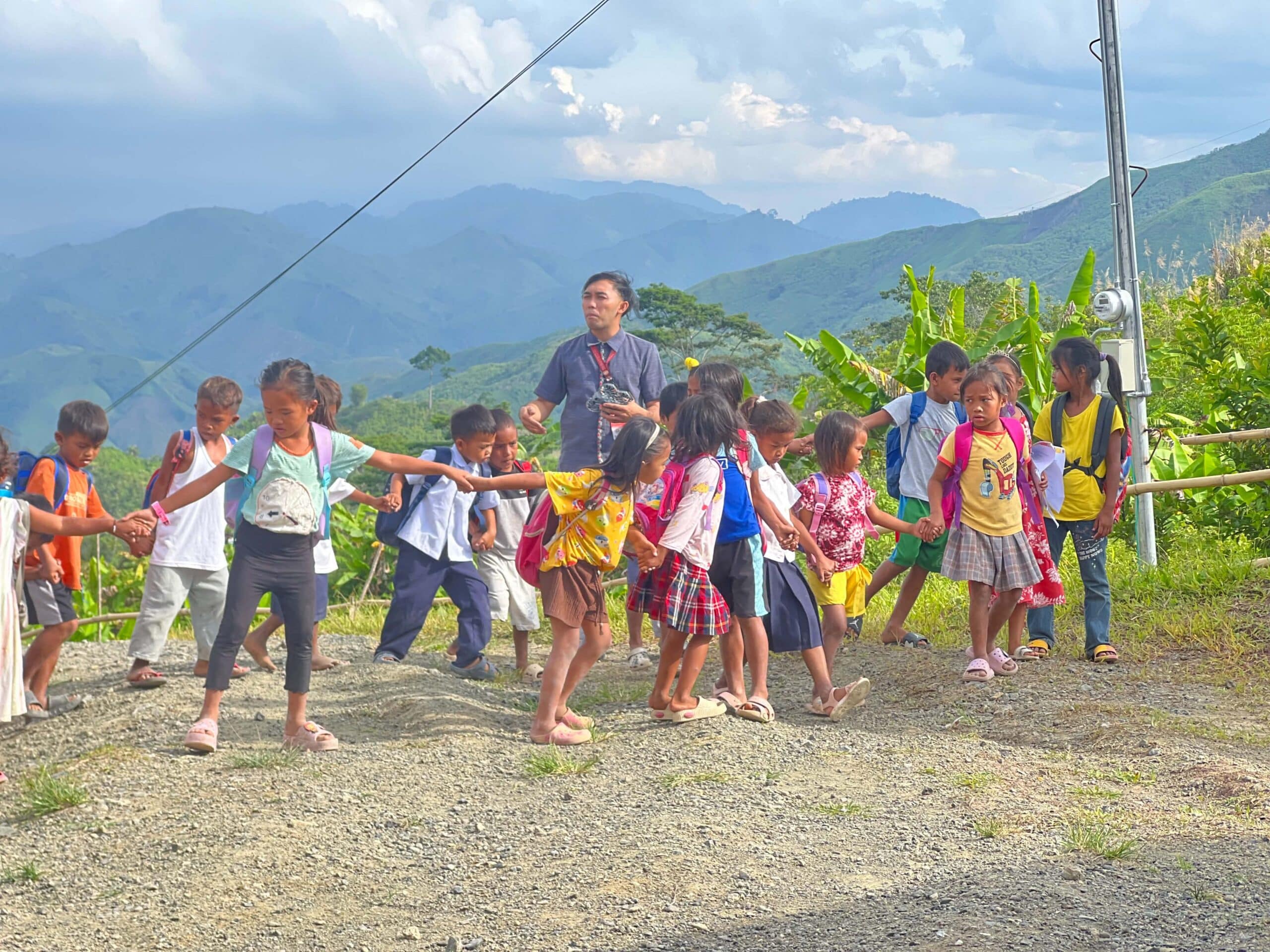

ILIGAN CITY, Philippines — Jonathan Lacdagan Landong, a Higaonon, has spent 20 years teaching and serving the indigenous people’s (IP) community in Limonda village of Opol town, Misamis Oriental that he calls home.
Despite the challenges inherent in the deployment to a remote hinterland barangay, Landong chose to stay when an opportunity was presented him to relocate to a cozier assignment at the town center.
His path to teaching was shaped by hardship. As a child, he walked long distances from the village to the nearest elementary and high school campus along rocky, muddy and overgrown paths, sometimes arriving home late at night. Food was often limited to dried fish, and at times he carried only salt to add to whatever was available.
Article continues after this advertisement
In college, he worked as a working student for a retired teacher and took on various jobs to afford food and his daily allowance. Witnessing his parents’ struggles and the lack of educational opportunities for children in his community strengthened his resolve to become a teacher.
FEATURED STORIES
NEWSINFO
NEWSINFO
NEWSINFO
READ: Where education meets identity
After graduating from Bukidnon State University with a Bachelor of Elementary Education degree, Landong applied for a teaching position in 2001. Securing one was difficult; the district office was several kilometers away and he had no money for transportation, and no clear teaching item was available for indigenous applicants. He waited almost four years for a call.

In 2004, he was hired and appointed as a permanent teacher at Limonda Elementary School—now Limonda Integrated School—on Sept. 6. Landong became the first IP teacher in his community to receive a permanent teaching item.
“Finally, I could serve my fellow IPs,” he recalled telling himself then.
Article continues after this advertisement
While many teachers assigned to remote schools hope to transfer to schools in town centers, Landong chose to stay. “I had no plan to transfer to another school because I wanted to serve the IP community in my barangay,” he said.
For years, he turned down offers to move to schools in the city, choosing instead to help Higaonon children access education.
Article continues after this advertisement
In 2024, he transferred to Mahayahay Integrated School, a neighboring school just 15 minutes from his former post, but his goal remains unchanged: to guide and serve Higaonon children.
Alongside his teaching, Landong serves as a member of the Higaonon tribal council, working to preserve and promote their traditions while teaching indigenous children. Owing to his experience, Landong is designated the District Indigenous Peoples Education coordinator.
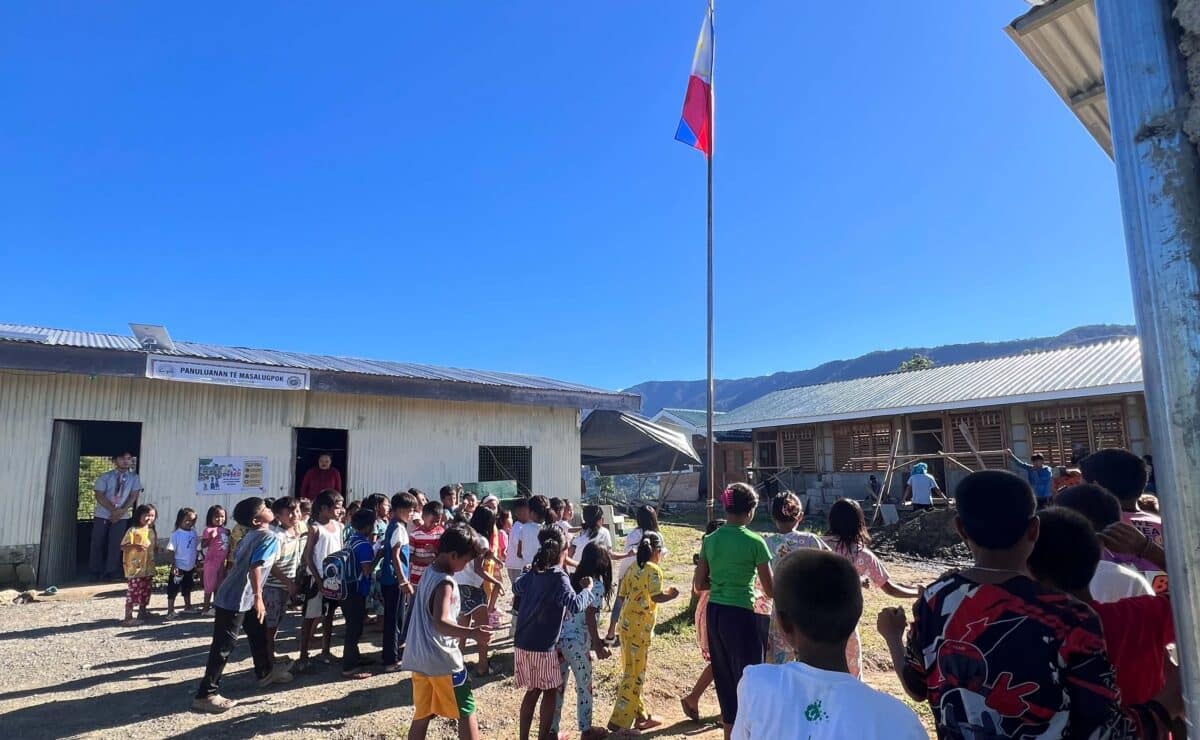
For Landong, teaching is more than a profession. It is a lifelong calling shaped by hardship and perseverance, dedicated to ensuring that Higaonon children have the opportunity to learn. (end)
In San Fernando, Bukidnon, 27-year-old Matigsalug teacher Jei Capao knows all too well the heavy toll of isolation, having grown up in a poor family in the town’s farthest barangay.
Capao shared with the Inquirer that his daily journey to the classroom is rarely easy, marked by long distances, difficult terrain, and unpredictable weather just to reach his students.
Assigned to the Department of Education (DepEd) Panuluanan te Masalugpok, an indigenous people’s school in Sitio Masalugpok of Kalagangan village in San Fernando town, near the boundary with Davao del Norte, Capao spends his days braving steep, cold-temperature mountains and trekking deep into tribal communities.
His dedication was severely tested when a massive landslide on July 6, triggered by continuous heavy rains enhanced by Super Typhoon Inday buried a large section of the highway linking Bukidnon to Davao del Norte that passes through San Fernando town.
Despite road closures in Sitio Balacayo of Kalagangan village that continue to disrupt the transport of farm produce, food, fuel, and basic commodities, Capao braved the mounds of debris by paying residents for assistance to cross both ends, driven entirely by the sight of children struggling just to reach school.
Capao draws strength from his students’ eagerness to learn, noting that if they can overcome their own challenges to attend class, he must do his part as well. While his physical bag carries books and supplies, his emotional load involves the heavy responsibility of ensuring each learner feels valued, heard, and encouraged.
Believing that education should not detach learners from their roots, Capao weaves local culture, traditions, and indigenous knowledge into his lessons, treating the community itself as a classroom.
Your subscription could not be saved. Please try again.
Your subscription has been successful.
Capao emphasizes that true dedication means showing up with patience, compassion, and the mindset that he is there “because my learners need me.” /cb
KioskNews shows a cleaned-up reading view extracted from the publisher’s page — the original always lives on their site, not ours.