How Did Kiki Osinbajo Build CIAR, a Fashion Brand? Find Out in Today’s “Doing Life With…”
Doing Life With… is a BellaNaija Features series showcasing how people live, the work they do and the philosophies that guide how they live and what they do. Through Doing Life With…, we continue documenting the lives of all people and ensure everyone is well-represented at BN.
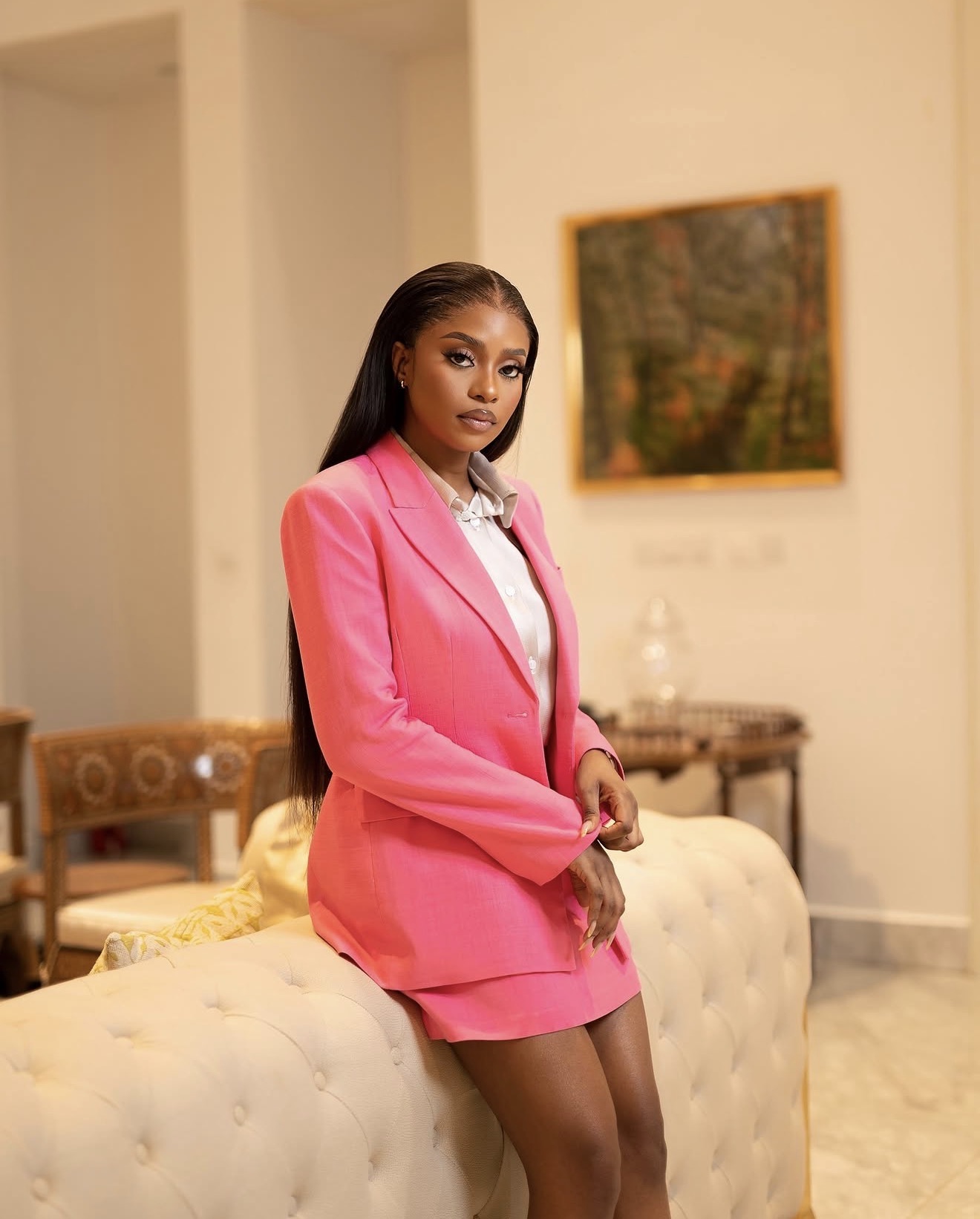
Today, we’re doing life with Kiki Osinbajo, the founder of CIAR, a Nigerian fashion brand. She shares what it took her to build a fashion brand in Nigeria and the early challenges she faced. She also shared her top fashion non-negotiables.
Enjoy the conversation!
Hello Kiki. How are you feeling today?
I’m fine, thank you. I’m rested. I’ve been on holiday, so I’m well-rested and ready to take on the last quarter.
We love that. Let’s start like this: We are in a place where no one knows you or what you do. What are three things you’d use to introduce yourself or would like people to know about you and why?
I guess one is that I can be a hard guy, hard guy, hard guy, but I’m actually just a softie. I’m extremely emotional. I cry watching movies. I’m just a very emotional person.
Another thing is that my friends and family mean the world to me. I carry friendship on my head, literally. I’m one of those people that, if I’m for you, I’m for you 120%, and you don’t have to think twice about it.
Another thing I’d introduce myself as is that I’m a very critical thinker. I’m an empath, so I’m always thinking about how people are going to feel about certain things. I feel like I’m an empath almost to a fault because I feel everything people are feeling, and I overfeel sometimes.
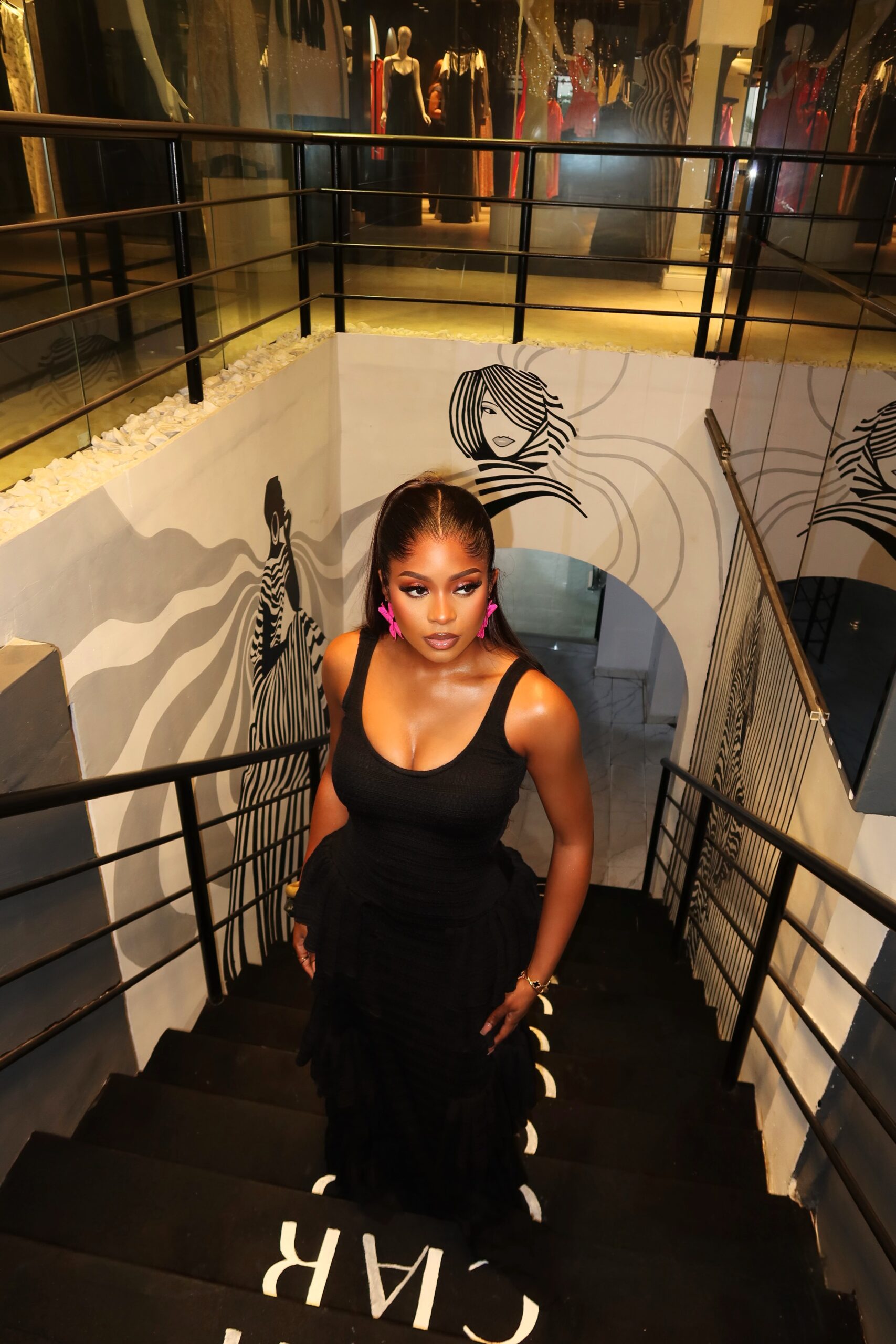
Love that! Now to business: What inspired the creation of CIAR?
The idea for CIAR first came to me when I closed down my first business, Glam’d Africa. When I closed it down, I was trying to figure out what I wanted to do next. In my mind, I kind of failed at my first business. I say this all the time. I wouldn’t say I failed, but I kind of did. It wasn’t what I really wanted.
I wanted a place where people could come in and just get basics, very easy stuff. I had fears of actually doing it on my own, so that was the point where I was like, “You know what, you’re going to have to do this.” And I decided that I was actually going to just get it done.
At my first business, we had a lot of different brands, and I kind of hid my brand in the middle of the mix. People really liked the brand and bought it more than every other thing. So I thought, “Why not just go out and do it on my own?” And that’s what I ended up doing. That’s how CIAR started.
Have you ever casually come across people wearing the brand?
It was only recently that it clicked that CIAR had become a brand. I was scrolling on Instagram and saw so many people on my timeline that I had never seen before wearing CIAR. People from different places, people who had travelled, people wearing it casually or to work. I just felt like, “Oh my gosh, we’ve actually made it. People know CIAR.”
I also went to a conference where I spoke, and there were four girls in the crowd wearing CIAR. I found that so amazing because you’re working and working and working, and you never know when the brand kind of just takes off because you’re so focused on the work itself.
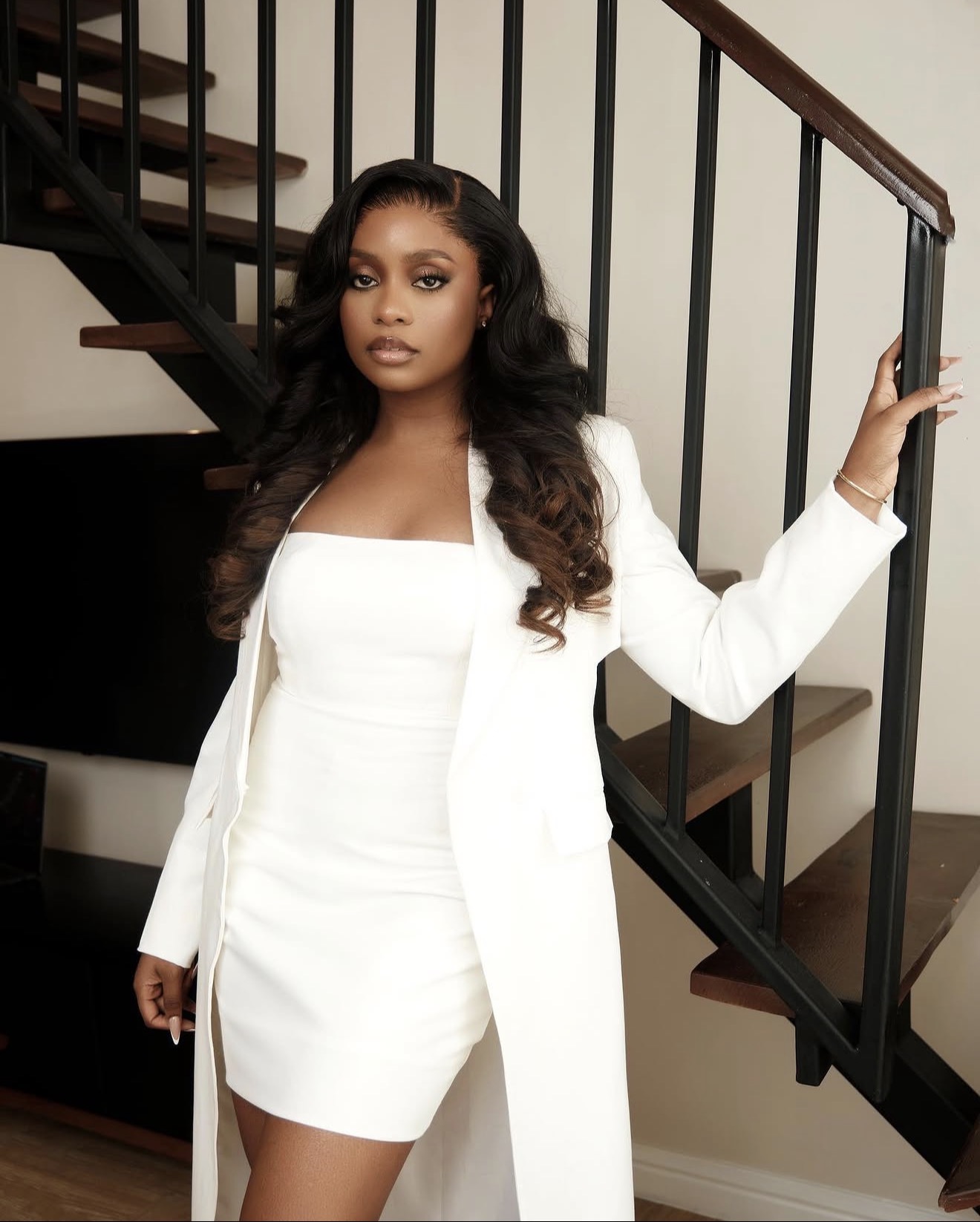
In one of your YT videos, particularly with Simi Sanya, you asked her how being a pastor’s child has influenced her. I would like to ask you the same question, particularly because your father, beyond being a pastor, was Nigeria’s Vice President.
I’m really grateful for my parents because they encouraged us to just be who we were. They taught us all that they could teach us and said, “You now know what’s right and wrong. You know, do that.” People just kind of believe that you’re meant to be perfect. You’re meant to be a golden child. But I would say it was more outside pressure than family. I never really felt pressured by my family to be anything other than who I am.
When I found out about my dad becoming Vice President, it was kind of scary because I felt like, “Okay, this is like being a pastor’s child but with way more eyes.” So it wasn’t the easiest thing because I felt like it might be a lot. But thankfully, it actually wasn’t. Maybe the earlier years of being a pastor’s kid and knowing that people were watching anyway helped me navigate that time. My parents have really just expected us to live our lives and do what we feel is best.
Personally, when would you consider the best moment of your journey so far? Like, the moment you felt utterly so proud of yourself
I think the moment that I was the most proud of myself was when I opened my headquarters in Abuja. I had opened it probably like a year before, but one day when I walked in, it felt, “This is mine. This is actually mine. I’m standing in something that, you know, has been years in the making.” The headquarters is where all the dirty work is done. It’s our production factory, our media house and where the backend work happens. That’s our powerhouse where everything happens.
I walked in there and saw so many staff members. We have over 100 people in the building, and I just felt like, “This is us. This is CIAR. We’ve built this.”
It was profound because I had been going there every day for a year, and it hadn’t hit me that we had such a huge production going on. We started off in Durban where we had two tailors, and we have grown to a team of over 100 people. I don’t really know the moment we grew to that number. It was just pressing on. Okay, we have more people, more people, more people, and then it just got there. It took me a while to actually realise that.
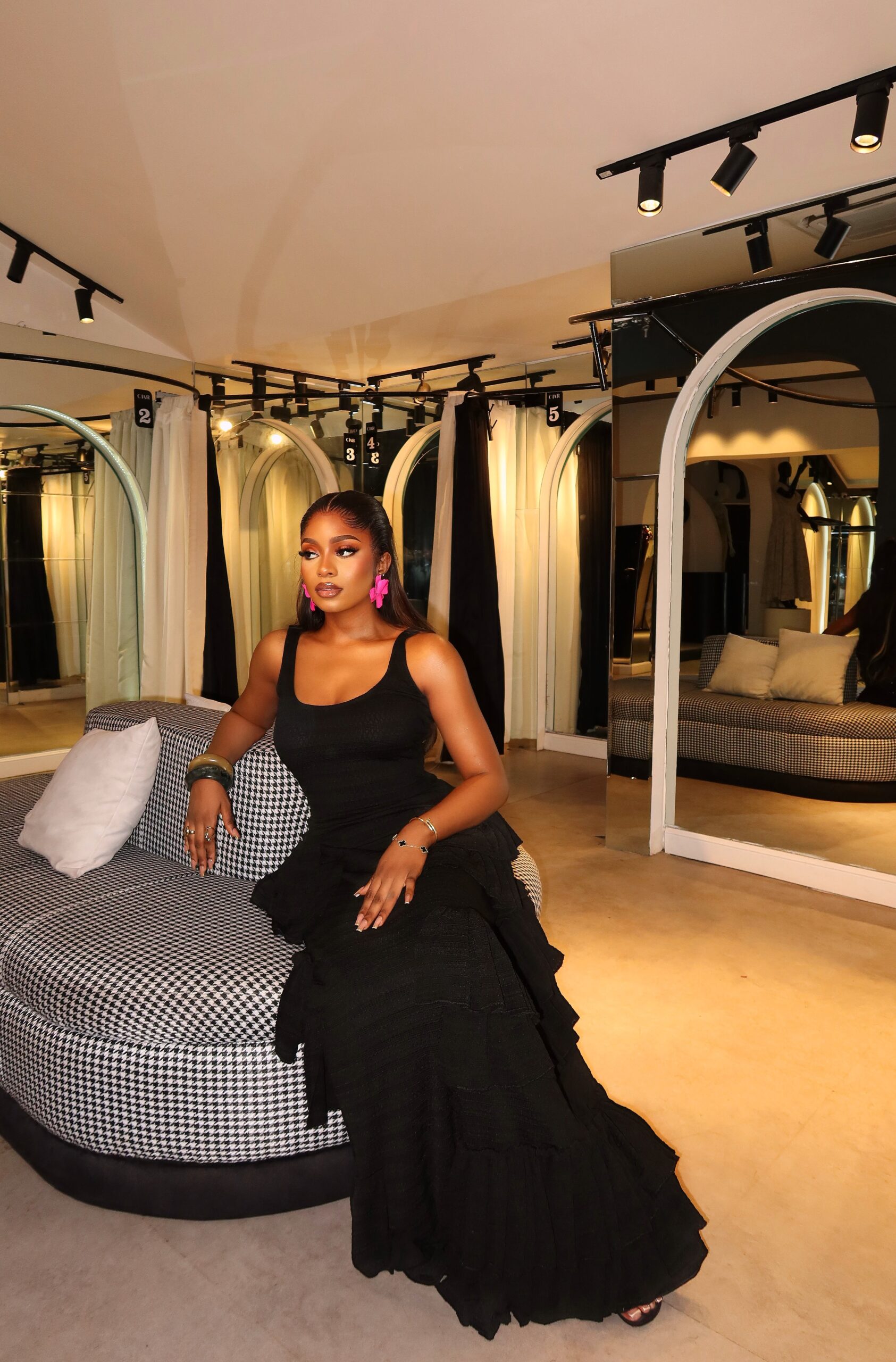
Love that, but as you obviously know, running a brand can be challenging. What were the early challenges you encountered you faced?
The challenge we had when we started was obviously a delivery system between states. A lot of people want to get their stuff immediately, and we didn’t really have those channels. I remember going to the bus park and inviting the drivers of interstate buses to my office. I met with them and discussed it with them, and we actually struck a deal where they would do interstate deliveries for us, next-day delivery. So that was one challenge we had initially that we don’t have anymore.
Another problem we had was fabrics. We wanted everything made in Nigeria and bought in Nigeria. At that time, there would always be limitations to fabrics that you could have in bulk.
You might find a beautiful fabric, maybe 200 yards, and clients are asking for the same fabric because they want the same dress, and you’re unable to meet the demand. It was just money left on the table.
So what we did to curb that problem was that, recently, I went to China, and we actually bought a fabric printing machine. Right now, we do end-to-end, so we actually print our own fabrics, or at least about 30–40% of the fabrics. It’s easy for us to reproduce, and we’re not leaving money on the table anymore. We get to keep making the fabrics that customers really want or designs that customers really want.
The brand also has Signature Print, where we print fabrics. We’ve opened up to printing for other people, so that has been very helpful. A challenge we still face today is probably just the cost of things like electricity and logistics, especially because of the roads. Sometimes things are delayed; maybe there’s flooding in certain areas. Those are the things we kind of face at this point.
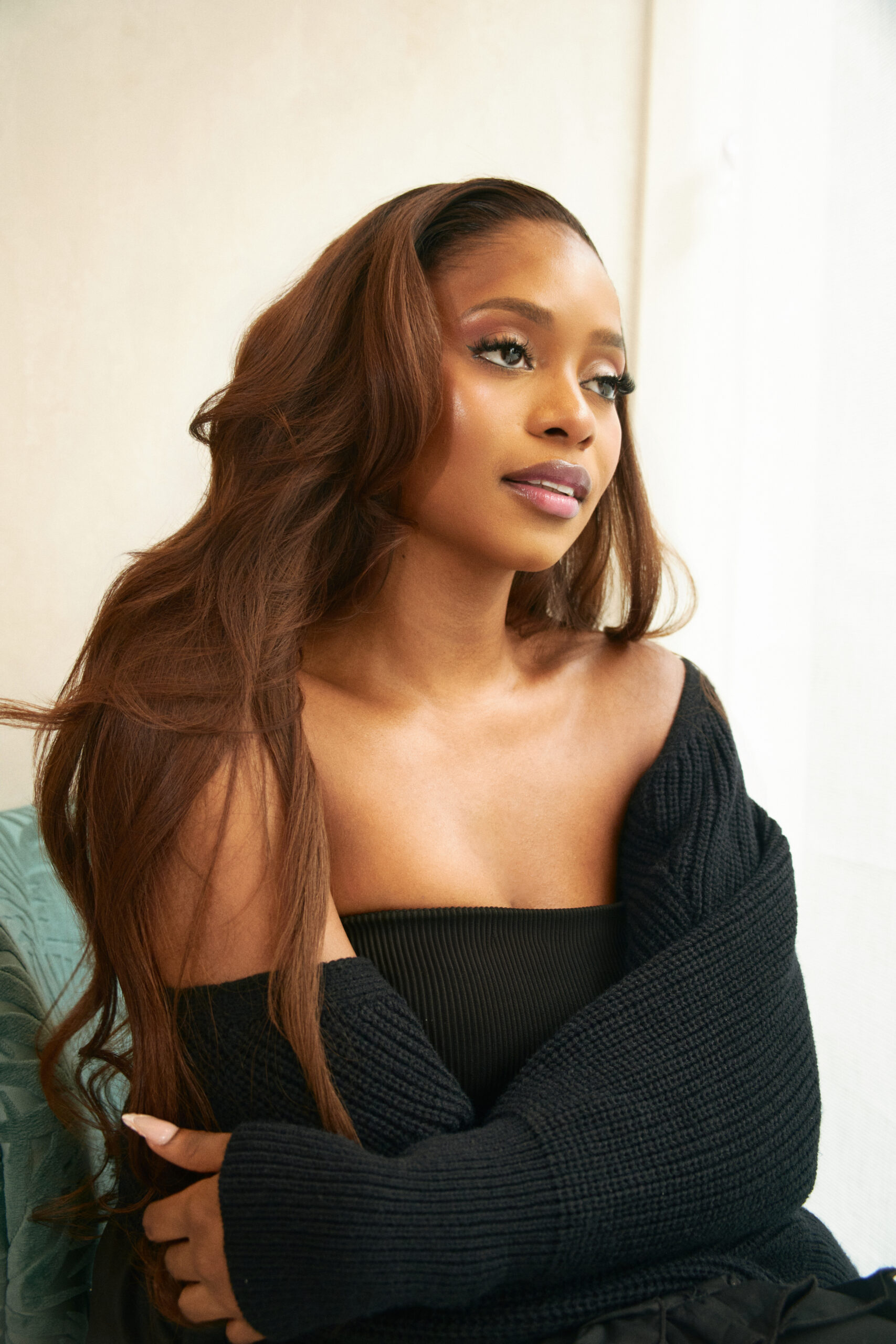
I think that’s enough for business talk, haha. What does a typical day in your life look like?
A typical day in my life is fighting with tailors, fighting with suppliers. My typical day is actually quite chaotic. It’s production work, working on the backend.
I try as much as possible to take time out for myself, so in the evenings I try to just switch off and watch a movie. But my life is basically just dealing with production, fighting with the production team, and yeah, that’s about it.
What are your top three fashion non-negotiables?
Jeans. A pair of baggy jeans, for sure, is a non-negotiable. Then accessories. I’m a ring, necklace and earring girl. I always have to have nice accessories. And then a tight-fitting or fitted short-sleeve T-shirt, just because I’m a comfort girl in my day-to-day. Also shoes. I’m a shoe girl, so from sneakers to heels, I’m there.
If there’s one thing you could do for the rest of your life, what would it be? (Could be anything fun or anything)
Fashion! Everything and anything related to fashion!
What’s something you can always do when no one is watching?
Sing. I think I said this on an episode of Changing Room Diaries. I actually thought I was going to be an artist when I was younger because I feel like I have a very lovely voice. People have told me I have a very lovely voice.
Speaking of Changing Room Diaries, when is another episode coming out?
Soon, I hope. I’m definitely going to shoot a few episodes this year. It was meant to be like a summer thing where we just get a couple of people in different seasons to talk about stuff. But I’m sorry; we shall be back ASAP. So watch this space.
_
Many thanks to Kiki Osinbajo for having this conversation with us and answering all our questions.
Do you love this content, have any feedback for us or want to be a BellaNaija Features contributor? We’d love to read from you. Shoot us an email: [email protected].
KioskNews shows a cleaned-up reading view extracted from the publisher’s page — the original always lives on their site, not ours.