flydubai Plane Made Near-Supersonic Dive. Why Its Airframe Didn't Disintegrate
The flydubai Boeing 737 MAX carrying 180 people went into a terrifying steep dive in just a little over a minute, breaching the airframe's maximum tolerance and safe parameters by a big margin.
Many pilots including from the military across the world have commented on social media that the aircraft managed to land safely against all odds, that it was nothing short of a miracle. They relied on publicly available data from flight-tracking websites that give accurate information about critical aspects of the aircraft while in flight.
According to a post on X by author and pilot Buzz Patterson, even an active duty military pilot of the rugged C-17 transport aircraft also agreed that the "plane was orders of magnitude above the limits and beyond the calculated safety factors built into airlines and it managed to survive."
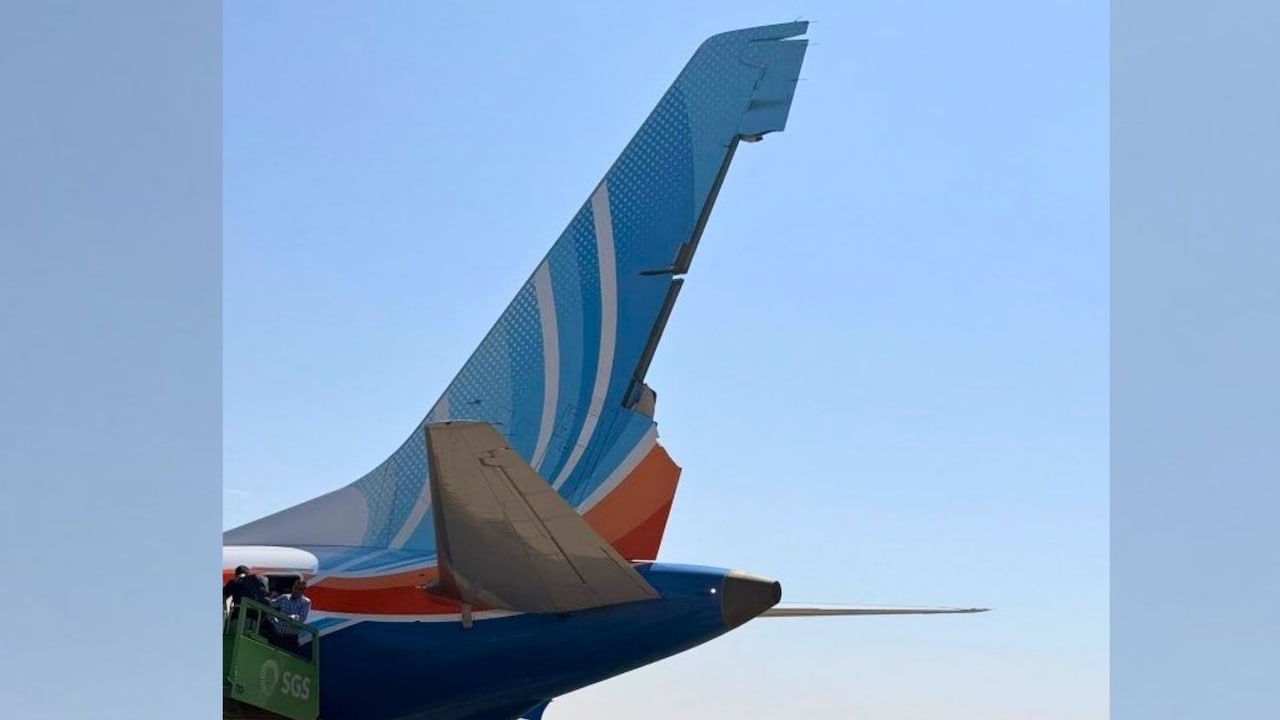
After it landed safely, visuals of the aircraft showed that the rudders attached to the vertical stabiliser which is used to keep the plane flying straight had been ripped off. While the vertical stabiliser prevents side-to-side motion or yawing, the rudder that forms a part of the vertical stabiliser moves depending on the situation to control the yawing motion.
The co-pilot of the flydubai flight, an Omani national as per media reports, attacked the brave Indian pilot, Captain Smit Machchha, with a crash axe whose heroic act has been widely praised.
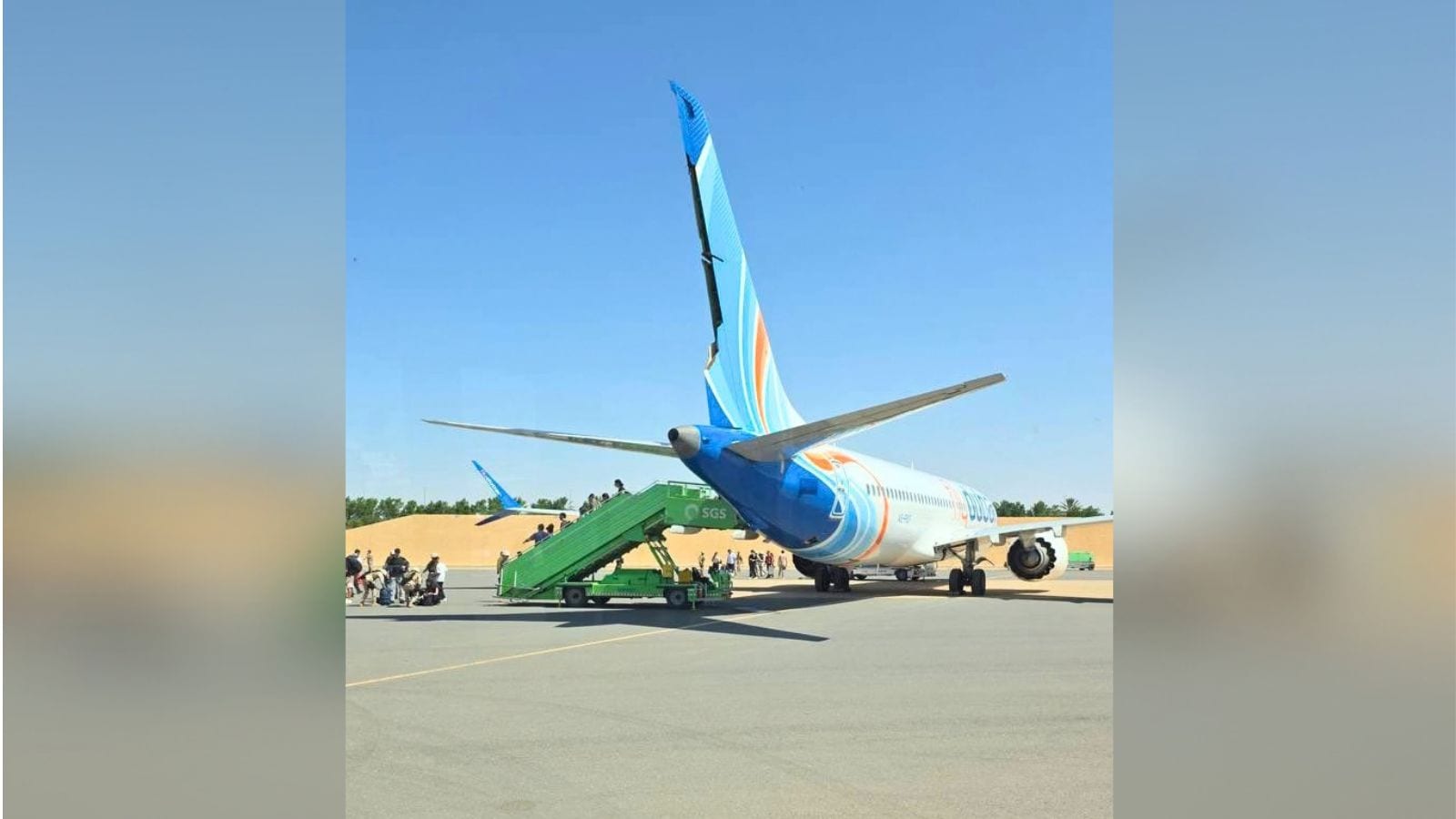
"This is my old jet. This airframe exceeded the maximum operating speed by 100 knots. That's a lot. It ripped off the rudder. To recover, stabilize the jet, and divert is simply a miracle. Thank the Lord, for the deadhead crew being on board. This would've ended in a much, much different outcome," the American pilot said in the post on X.
The Boeing 737 MAX was at one point beset with the ugly reputation of two crashes that happened after a sudden, uncommanded nose-down manoeuvre triggered by its MCAS, a critical flight control system. Short for Maneuvering Characteristics Augmentation System, Boeing had designed it to automatically push the aircraft's nose down to avoid aerodynamic stalls. The tragic incidents had led to the grounding of the aircraft globally and hurt Boeing's reputation in the civilian aviation market.
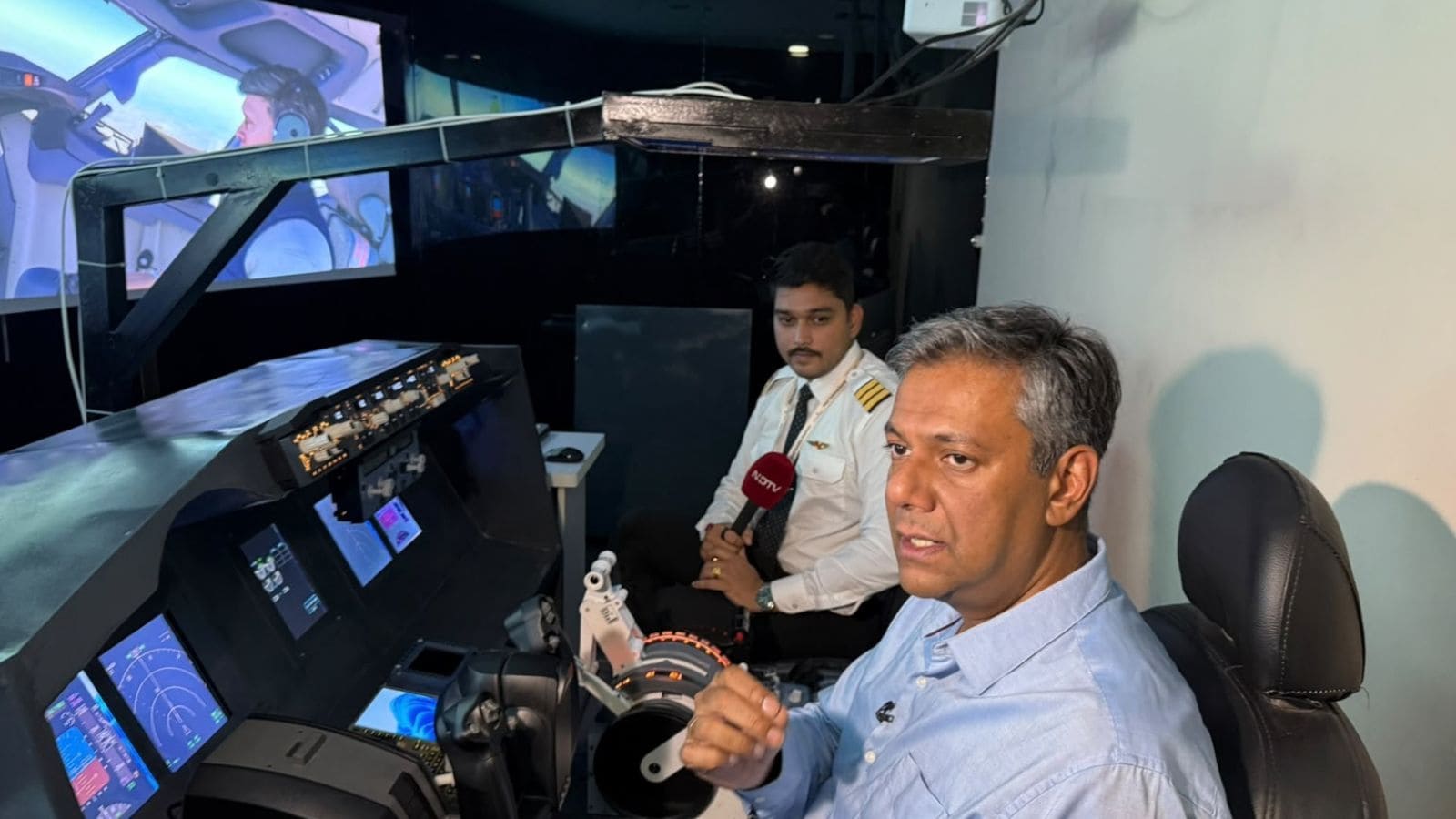
NDTV went to a flying school in Delhi today and checked a simulator for the Boeing 737 series aircraft to retrace the terrifying seconds during which the flydubai plane plummeted from 34,000 feet to 17,000 feet. It reached near supersonic speed during this phase.
Unlike incidents in the past as a result of uncontrolled sudden altitude loss which led to the aircraft breaking apart, the flydubai aircraft held on very well.
"This is genuinely a testament to the 737 MAX and modern carbon composite airframes... Just realise that this airframe was hundreds of times stronger than required, tested and certified to. It clipped 30,000 feet per minute in the descent. I fly C-17s and when we put our thrust reversers out in flight we are limited to 20,000 feet min. The inherent strength of that (Boeing 737 MAX) airframe is genuinely unbelievable, as are the excellent piloting skills of whoever pulled it out of that dive," the man who identified himself as a C-17 pilot said in a post shared by Patterson, the American pilot, pointing at the sheer strength of the Boeing 737 MAX's airframe made with specialised aluminum alloys and advanced composites.
From an active duty C-17 pilot. And Boeing builds good jets. https://t.co/MengYyfLJM pic.twitter.com/zzRadyCvRf
— Buzz Patterson (@BuzzPatterson) September 30, 2026
The comparison with the C-17 Globemaster is significant because the American military aircraft is a rugged, short-field performer with a very strong airframe that can carry oversized payloads.
KioskNews shows a cleaned-up reading view extracted from the publisher’s page — the original always lives on their site, not ours.