Use facial recognition, real-time alerts to tackle human trafficking: MHA to states/UTs
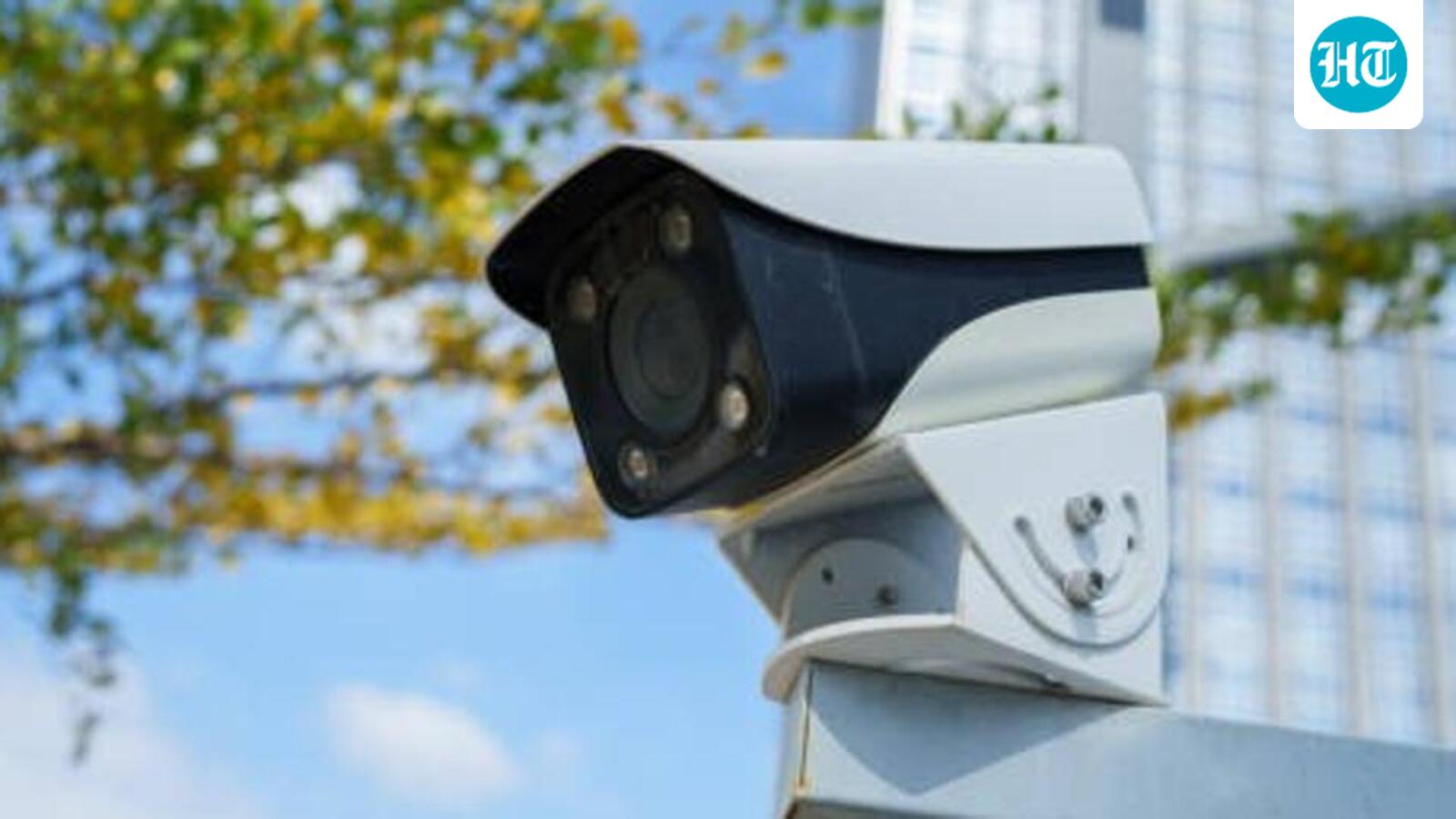
The detailed guidelines also ask the chief secretaries and DGPs to use the section 111 of Bharatiya Nyaya Sanhita (BNS) - which covers organised crime

 Prefer HTon Google

Introduction to New Guidelines
The ministry of home affairs (MHA) has asked all the states and union territories to use facial recognition, cyber surveillance and real-time alerts to identify the victims of human trafficking and track suspected traffickers, while recommending formation of joint investigations teams (JITs) in complex cross-border cases and monitoring ‘overseas recruitment scams’.
The detailed guidelines also ask the chief secretaries and director generals of police (DGPs) to use the section 111 of Bharatiya Nyaya Sanhita (BNS) - which covers organised crime - to target the trafficking networks rather than limiting the investigations to low-level operators.
People familiar with the latest advisory said this is the first detailed guiding document on tackling human trafficking since the three new criminal laws came into effect last year. “After Naxalism and combating drugs, the next big target of the government is to end human trafficking in India,” said a senior government official, who didn’t want to be named.
On using technology as a force multiplier, the guidelines - made public earlier this week - state “States must consistently utilize the National Automated Facial Recognition System (NAFRS) to cross-reference rescued individuals and unidentified minors with the Mission Vatsalya portal.”
Also Read: Four sentenced to 7 years for role in Rohingya trafficking network
“State police must enhance their cyber- patrolling capabilities to identify grooming patterns on social media and fraudulent job advertisements on recruitment portals,” it adds.
The ministry further asked the states/UTs to use the Crime and Criminal Tracking Network and Systems (CCTNS) and Cri-MAC platform to map “high-risk migration routes and trafficking hotspots”, and also “coordinate with each other and prioritize real-time alerts and flag known traffickers moving across state borders”.
It suggested forming SITs in complex cross-border cases, which will allow “sharing of evidence and resources across state lines”.
On the trends of overseas recruitment scams and digital exploitation of Indians, who are lured with high-paying jobs, MHA guidelines say that states’ police cyber cells “must maintain constant vigil over social media and job portals for suspicious offers”.

Neeraj Chauhan is a senior journalist with Hindustan Times and an investigative reporter specialising in national security, terrorism, organised crime, narcotics, corruption, financial crime and complex investigations. With over 21 years of experience across Hindustan Times, The Times of India, The Indian Express and The Pioneer, he has built deep expertise in India’s internal security and law-enforcement landscape. Neeraj has extensively covered India’s principal investigative, intelligence and security agencies, including the NIA, CBI, ED, IB, R&AW, MHA and other central security forces. His work has included deeply reported investigations into terrorism, terror financing, cross-border crime, narcotics trafficking, cybercrime, financial fraud and political and corporate corruption. He has reported on some of the most significant terror attacks and security developments in India over the past two decades, including the Delhi serial blasts, the 26/11 Mumbai attacks, the 2019 Pulwama terror attack and the recent Pahalgam attack. His reporting has also chronicled the rise and decline of the Indian Mujahideen, the activities and subsequent crackdown on the Popular Front of India (PFI), Islamist extremist networks, the conflict in Jammu and Kashmir, insurgencies in the Northeast and Maoist violence. Some of Neeraj’s major breaking stories are in Aryan Khan drug case, Sushant Singh Rajput suicide, interception of a 3,000-kg Afghan heroin consignment worth about ₹21,000 crore at Mundra port, Sri Lanka easter bombings, Aarushi-Hemraj murders in Noida, 2G scam, coal block allocation scam, AgustWestland VVIP chopper deal and major bank frauds and extradition cases involving Mehul Choksi, Nirav Modi and Vijay Mallya. His reporting is marked by an ability to cultivate sources, analyse confidential and complex documents, and follow investigations over several years—from the initial breakthrough to chargesheets, trials and international legal proceedings. He specialises in making complicated security and investigative developments accessible while examining their wider implications for governance and public policy. A Chevening South Asia Journalism Programme Fellow at the University of Westminster, Neeraj also spent time at the Financial Times as part of the fellowship. He was also a Robert Bosch Media Ambassadors India-Germany Fellow, studying at the University of Tübingen and working with Der Tagesspiegel in Berlin. He has previously taught investigative journalism and crime reporting as a guest faculty member at the Times School of Journalism. Over more than two decades, Neeraj has established himself as an authoritative voice on India’s national security and investigative landscape, with his reporting closely followed by officials, investigators, lawyers, policymakers and readers seeking insight into some of the country’s most complex and consequential developments.Read More

Get the latest India News, breaking headlines and real-time updates from across the country. Stay informed about politics, government policies, crime, weather major national developments and Karnataka Bandh LIVE.
KioskNews shows a cleaned-up reading view extracted from the publisher’s page — the original always lives on their site, not ours.