7 Years Later, Stephen King's IT: Chapter 2 Looks Worse For One Major Reason

Richard Craig is a Senior Author at Screen Rant covering film and TV. Richard has also written extensively about horror and film soundtracks, contributing a chapter to the first major academic collection on the folk horror genre, The Routledge Companion to Folk Horror. Richard is also a performing musician and holds an MA in Music and Sound Art.
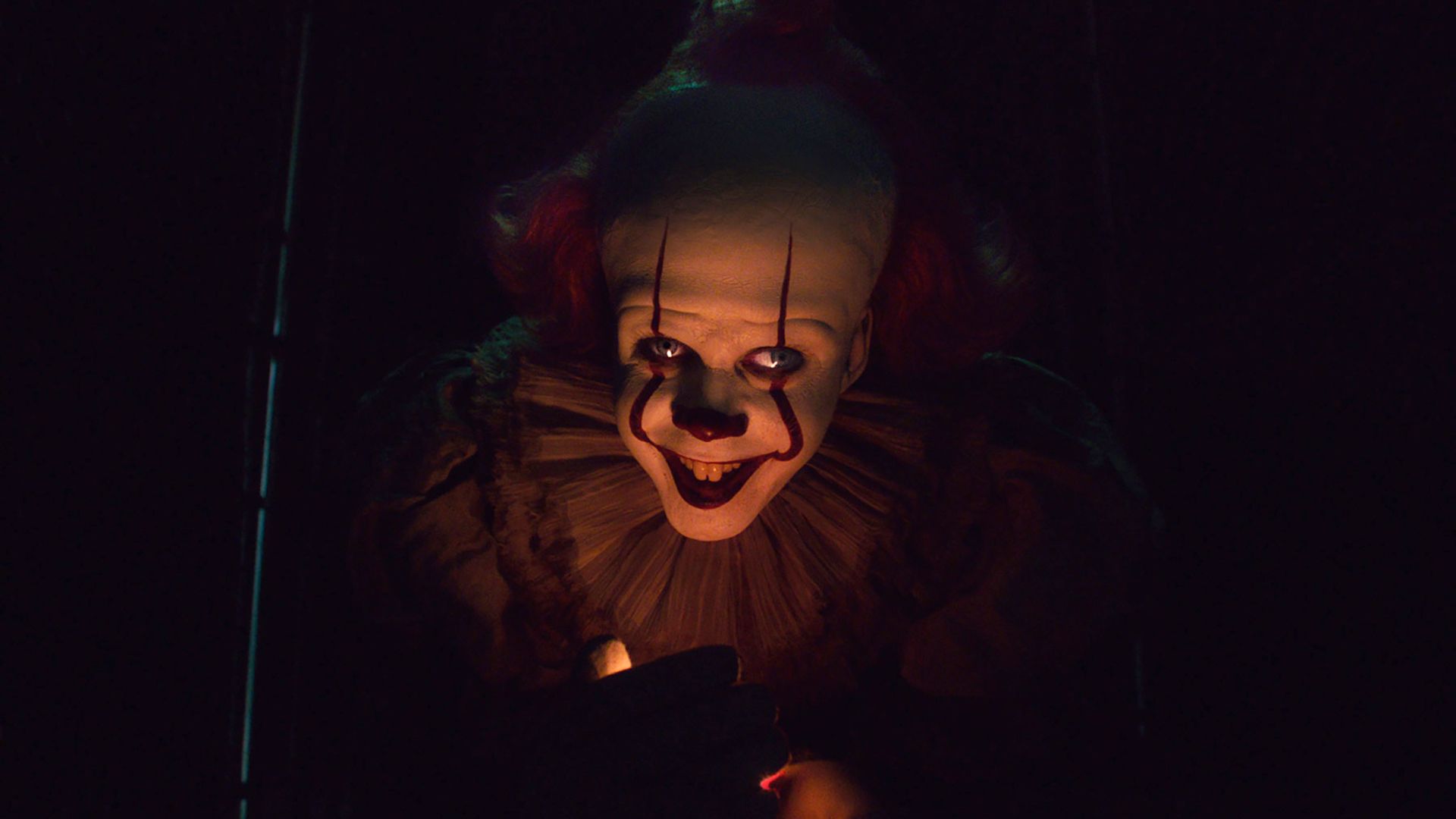
Seven years after its release, IT: Chapter 2 has become the clear weak spot in one of Stephen King's most successful screen franchises for one major reason. When Andy Muschietti's IT was released in 2017, it was a phenomenon. The movie earned over $700 million worldwide, introduced a terrifying new version of Pennywise through Bill Skarsgård's performance, and captured the spirit that made King's novel such a beloved classic.
The decision to split the story into two parts initially seemed inspired. The first movie could focus entirely on the Losers Club as children, while the sequel would tackle their return to Derry as adults. On paper, IT: Chapter 2 had everything going for it. James McAvoy, Jessica Chastain, Bill Hader, Isaiah Mustafa, James Ransone, Andy Bean, and Jay Ryan were all excellent casting choices for the adult Losers.
Several critics praised the performances, particularly Hader's scene-stealing turn as Richie Tozier. Yet even at the time, many reviews noted that the sequel felt overlong, uneven, and far less effective than its predecessor. Critics frequently highlighted its sprawling structure, overreliance on CGI creatures, and inability to match the emotional impact of the first film. For years, those shortcomings existed largely in comparison to the excellent 2017 movie. However, IT: Welcome to Derry has changed the conversation – and not in Chapter 2's favor.
IT: Chapter 2 Is The Only Weak Link In The Saga After Welcome To Derry

Even before Welcome to Derry, IT Chapter 2 was widely viewed as a step down from the first film. The 2017 movie benefited enormously from its focus. The younger Losers Club had fantastic chemistry, the story moved at a brisk pace, and Pennywise felt genuinely unpredictable.
By comparison, Chapter 2 often struggled under the weight of adapting the novel's more complicated mythology. The lengthy artifact hunt structure repeatedly separated the characters, reducing opportunities for the ensemble interactions that made the first movie so memorable. Now there is another problem.
With Welcome to Derry expanding the franchise, Chapter 2 finds itself sandwiched between two stronger stories. Reviews for the HBO series frequently praised its willingness to explore Derry itself, its atmosphere, and its new approach to Pennywise's influence over the town. Several critics even argued that the series delivered some of the strongest material in the entire franchise.
That leaves Chapter 2 occupying an awkward middle ground. It no longer looks like the somewhat disappointing follow-up to a great movie. It now looks like the franchise's clearest misfire between two projects that understood what made King's story work.
Welcome To Derry's Mistakes Were Repeating IT Chapter 2
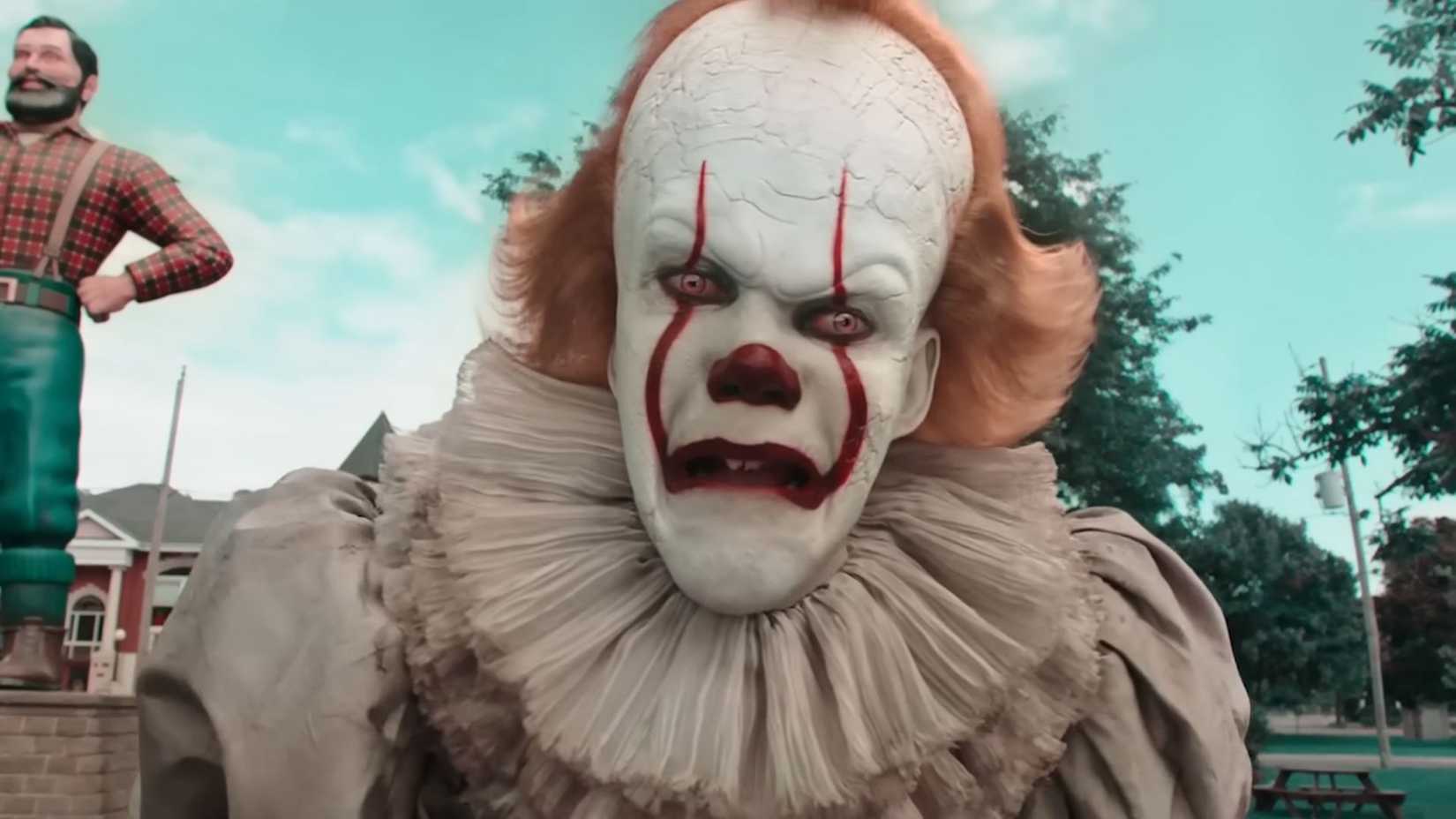
Ironically, Welcome to Derry also demonstrates exactly where IT Chapter 2 went wrong. One of the biggest criticisms directed at the sequel was its obsession with explaining mythology. King's novel contains cosmic elements involving the origins of It, the Ritual of Chüd, and the creature's larger place in the universe.
While these ideas work on the page, Chapter 2 often struggles to translate them into compelling cinema. As a result, the finale is packed with exposition and supernatural lore that was far less interesting than simply watching Pennywise terrorize Derry.
Welcome to Derry occasionally falls into the same trap. Some praised the show's deeper exploration of Derry's history, while others criticized its tendency to answer mysteries that were arguably more effective when left unexplained.
The difference is that the series usually has stronger foundations elsewhere. Its focus on the town's history, the Hanlon family, and Pennywise's cyclical influence over Derry gives the mythology a purpose beyond simply explaining lore.
By contrast, many of Chapter 2's weakest moments still revolve around CGI-heavy monster encounters and convoluted explanations. The criticism that its visual effects sometimes undermine the horror rather than enhance it has only become more noticeable with time.
In a strange way, Welcome to Derry highlights both the strengths and weaknesses of the franchise. When it focuses on atmosphere, character, and the corrosive effect Pennywise has on Derry, it thrives. When it starts over-explaining mysteries, it begins repeating mistakes that IT Chapter 2 made on a much larger scale. The difference is that the prequel usually recovers before those issues dominate the story, whereas the sequel built its entire climax around them.

- Release Date
- September 6, 2019
- Runtime
- 169 minutes
- Director
- Andy Muschietti
-

Pennywise
-

James McAvoy
Bill Denbrough
- Writers
- Gary Dauberman
- Producers
- Roy Lee, Bárbara Muschietti, Dan Lin
- Prequel(s)
- It
- Franchise(s)
- IT
KioskNews shows a cleaned-up reading view extracted from the publisher’s page — the original always lives on their site, not ours.