Singapore targets 7 companies over wildfires in Indonesia as toxic haze worsens
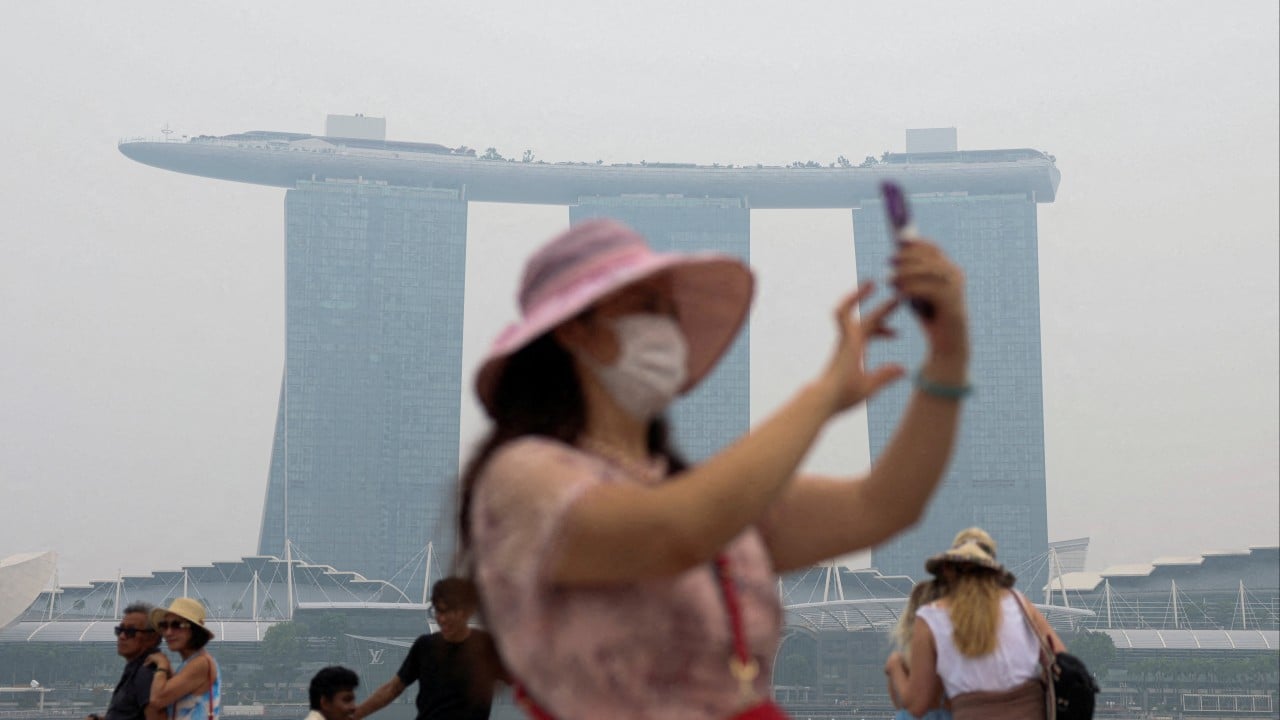
Singapore has identified seven companies it says were involved in wildfires in Indonesia that are choking the city state with haze, and plans to issue notices requiring them to take preventive measures, the Business Times reported.
The companies will receive notices under the Transboundary Haze Pollution Act requiring them to stop or refrain from burning and submit plans to prevent a recurrence, the newspaper reported, citing Sustainability and the Environment Minister Grace Fu at a Friday press conference. Fu did not specify whether they were Singaporean or Indonesian companies, and the government will make the list public on a later date.
Singapore and Malaysia have been blanketed for weeks by toxic smog from a severe wildfire season in Indonesia that has been exacerbated by a powerful El Nino weather pattern, bringing dry weather to the region. Singapore Prime Minister Lawrence Wong vowed on Thursday to investigate firms responsible for fires and warned those found culpable could face legal action.
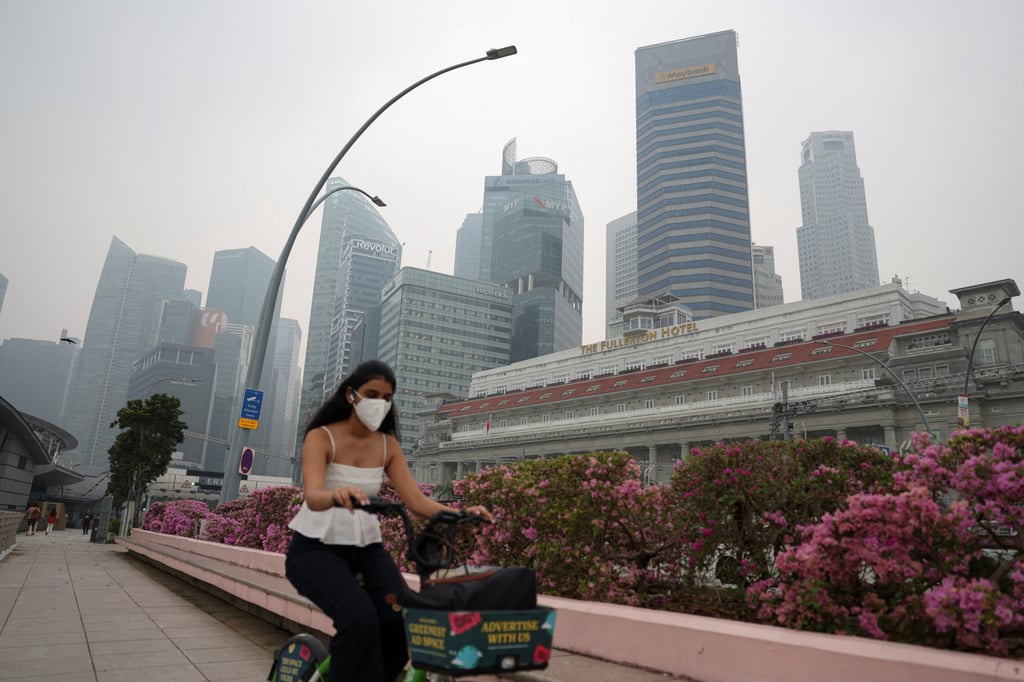
Blazes stemming from the use of slash-and-burn techniques to clear farmland have long been a feature of Indonesia’s dry months, and the situation has been exacerbated by a particularly intense dry season this year, with a blockbuster El Nino weather pattern threatening to break records.
The companies were identified by analysing satellite imagery and meteorological data on hotspots and smoke plumes from the fires, according to the Business Times report.
Singapore enacted the transboundary haze law in 2014, allowing it to fine companies as much as S$100,000 (US$78,000) per day of pollution. The city state tried to enforce it in 2015, but the environment ministry conceded at the time it was having difficulty getting information from its Indonesian counterpart on firms suspected of illegal burning. A decade on, four companies continue to be under investigation.
The law targets those responsible for causing or condoning fires when resulting smog keeps the pollutant standards index at unhealthy levels for at least 24 hours.
The 24-hour PSI ranged from 160 to 227 across the island as of 5pm local time on Friday. Air quality is considered “very unhealthy” when levels are 201 and above. A reading higher than 300 is considered “hazardous” and can trigger school closures.
KioskNews shows a cleaned-up reading view extracted from the publisher’s page — the original always lives on their site, not ours.