UK, EU seal food and youth deals, but are stuck on tuition fees
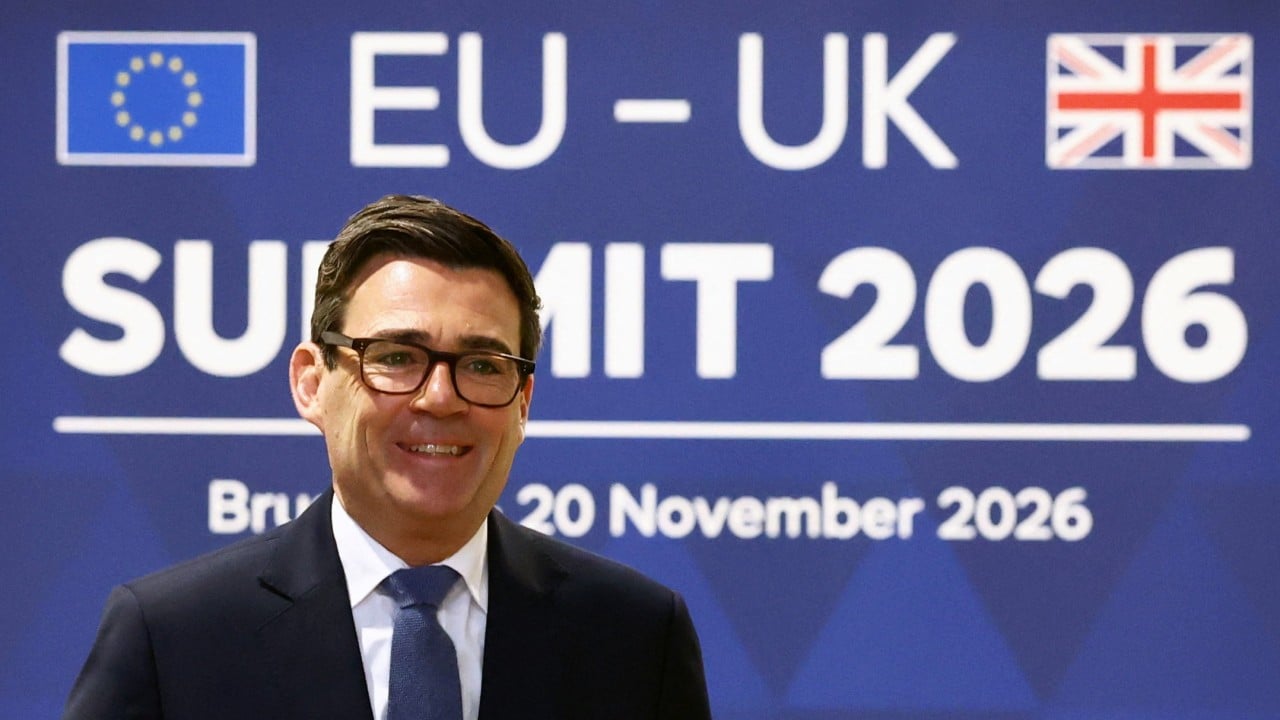
Britain and the European Union sealed deals on easing food trade and boosting youth mobility to reset ties at a summit on Friday, but pushed back an agreement on university tuition fees and left open broader discussions about their long-term relationship.
A decade after Britain voted to leave the now 27-nation bloc, rancour has faded and both sides have recognised the need for a closer alliance as the world order is reshaped by Russia’s full-scale invasion of Ukraine, US tariffs, China’s dominance of critical minerals supply chains and war in Iran.
“In a more dangerous world, we are stronger together,” British Prime Minister Andy Burnham said in a statement on the eve of the summit, a view echoed by European Council President Antonio Costa.
“We remain open to have the closest possible relationship between the European Union and the United Kingdom,” Costa told a press conference at the end of the summit.
The two sides concluded with agreements on food checks, youth mobility and an emissions trading scheme, but postponed for six months a deal on reducing university tuition fees, which the EU wants, but Britain has resisted.
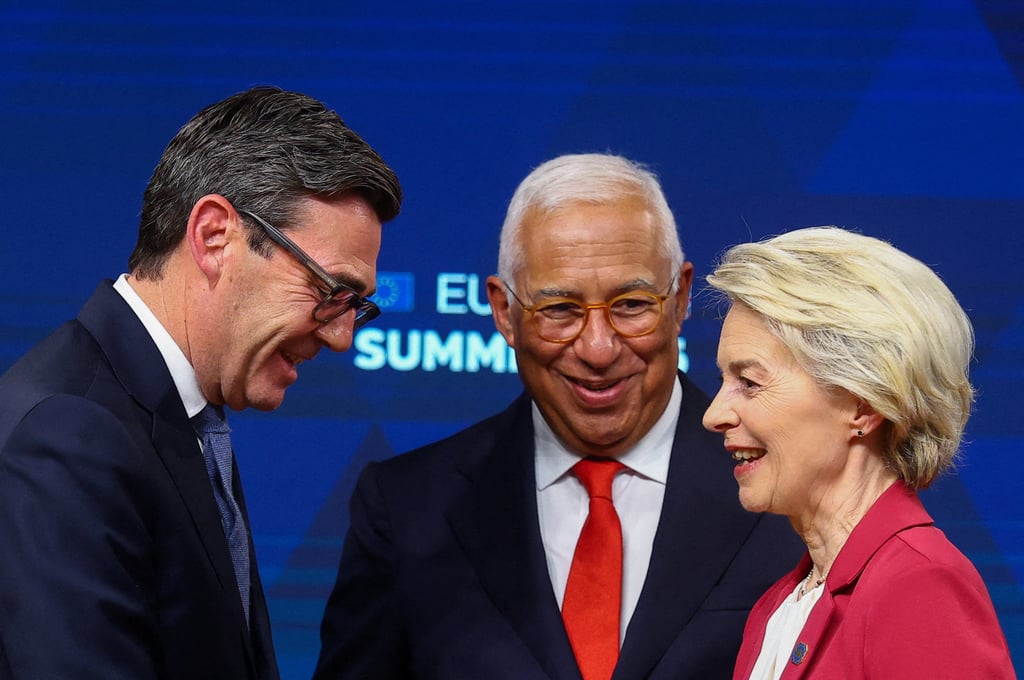
Burnham, who was greeted on arrival by a string quintet, has said Britain should consider options for its future relationship including rejoining the EU. On Monday, he said it was an “obvious truth” that Britain had lost more than it had gained from Brexit.
“I think we can all confidently say this is a good day for Britain and this is a good day for Europe,” Burnham told a press conference after the summit. “The agreement that we’ve reached together is a win-win,” he said, adding it would cut costs and benefit consumers.
At the summit, postponed from July after the resignation of Burnham’s predecessor Keir Starmer, the two sides addressed a small part of those Brexit losses with a package of agreements.
The most significant allows cross-border trade in animals, plants and related products, such as sausages or seeds, without the certificates and controls currently required. Britain has estimated this could add up to £5.1 billion (US$6.7 billion) per year to its economy.
A further agreement will link the emissions trading systems of Britain and the EU, which would exempt British and EU goods, such as steel, from each other’s border carbon levies.
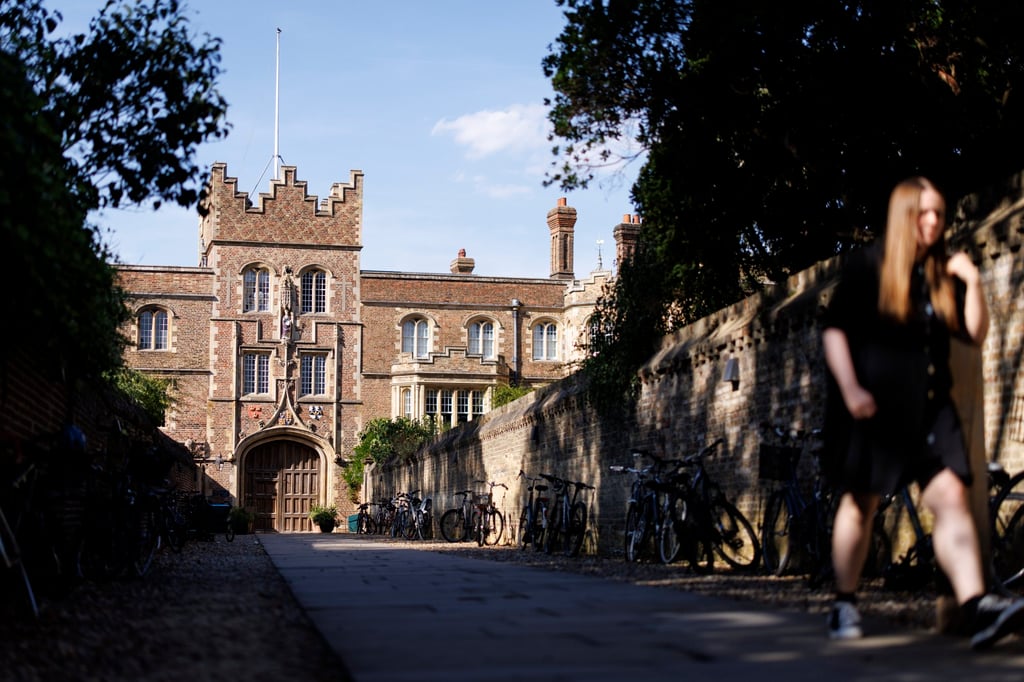
Each side is also set to allow the other’s young people in to work or study for three years, but here divergences are clearer. Britain, mindful that immigration was a factor in the Brexit vote, had proposed letting in only 50,000, but has agreed to 100,000, EU diplomats said.
Despite the agreements, some contentious issues remain unresolved, notably the cost of studying at British universities.
The two continue to differ over tuition fees, with EU countries wanting their students to be eligible for “home fees” at British universities, rather than the international rate, which is typically four times as much.
Britain prefers to offer only “significantly reduced” fees, and the aim is now to resolve the issue within six months.
The deals are to apply from 2028, with the first young people able to benefit from youth mobility by 2030, a joint summit statement said.
Then there is the topic of Britain accepting EU rules, a sensitive issue for opponents of EU membership.
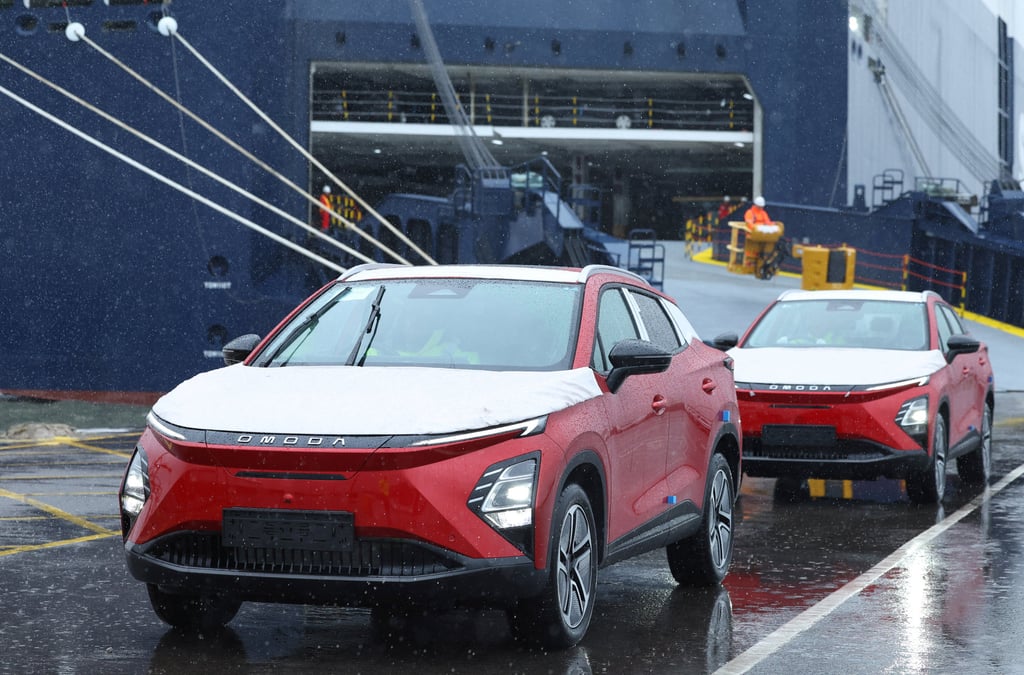
A key British demand is that the EU grant it special status under the bloc’s “Made in Europe” rules, notably for cars. The EU has indicated it is willing to grant this, but only on condition that Britain align with its policies, which restrict imports of Chinese electric vehicles.
The draft joint statement had featured conflicting lines from Britain and the EU about the extent of coordination.
The final agreed wording said that, in sectors where cooperation had been agreed, Britain would “ensure outcomes consistent with relevant EU measures” to protect sectors and guard against circumvention.
This seems to allude to a Franco-German proposal that EU public money could be spent on British cars, through public procurement or subsidies, if Britain agreed to dynamic alignment with EU trade protection measures.
That could mean Britain adopting measures the EU has taken to restrict imports of Chinese-built hybrid and battery-electric vehicles, which London has so far been reluctant to do.
KioskNews shows a cleaned-up reading view extracted from the publisher’s page — the original always lives on their site, not ours.