Rs 57 crore unspent: Delhi uses less than half of its tuberculosis budget in 2025
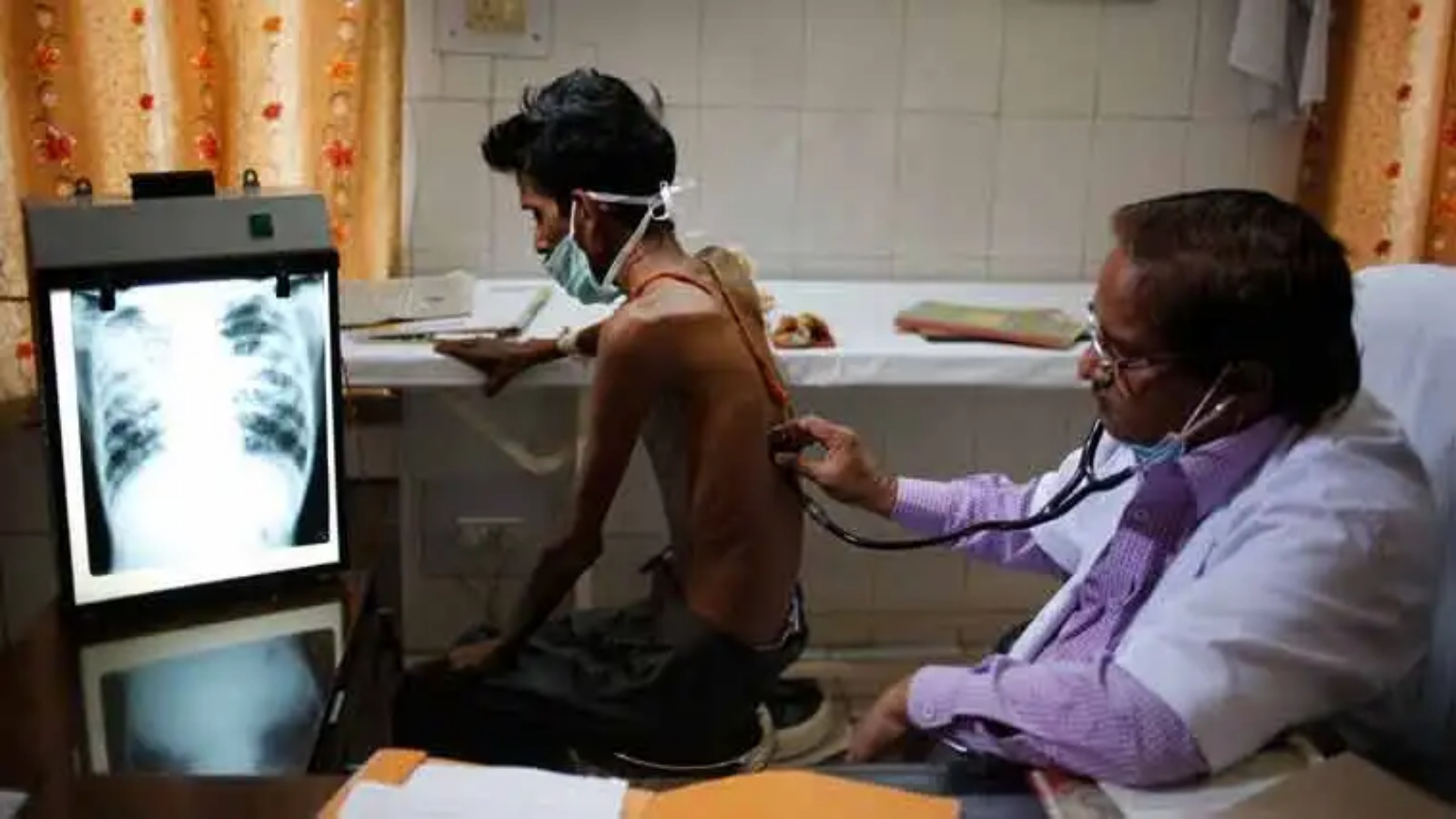
Delhi spent only 47.4% of the total funds allocated under the National Tuberculosis Elimination Programme (NTEP) last year, underlining significant underutilisation of funds.
According to the Directorate General of Health Services (DGHS) report of 2025-26, only Rs 51.32 crore of the Rs 108.27 crore approved under the NTEP was utilised, leaving Rs 56.95 crore unspent. This underspending comes even as 112,977 TB cases were notified in 2025 in the Capital, according to the Delhi State Health Mission (DSHS).
On the reasons behind this gap in expenditure, a Ministry of Health official told The Indian Express, “Funds allocated under the programme are distributed across several expenditure heads, with a significant proportion going towards Direct Benefit Transfers (DBT) to TB patients. Earlier, a number of beneficiaries did not have their Aadhaar numbers linked to their bank accounts, which affected the timely transfer of benefits. Gaps in digitisation and beneficiary identification contributed to this shortfall in fund utilisation. Similarly, some TB centres and research institutions have recorded lower expenditure due to delays in procurement and infrastructure development.”
Under the Ni-kshay Poshan Yojana (NPY), TB patients receive Rs 1,000 per month through DBT for nutritional support during treatment. The amount was doubled from Rs 500 in November 2024.
A doctor from the National Institute of Tuberculosis and Respiratory Diseases (NITRD), Mehrauli, said, “There could be multiple causes behind the unspent funds. These can include delayed releases in funds, administrative bottlenecks and lower utilisation by implementing agencies. Also, many DOT centers, and TB hospitals are poorly equipped.”
The mismatch between allocation and spending in the Capital’s TB budget is, however, a reflection of a national trend. According to the Union Health Ministry, the NTEP spent Rs 1,179.68 crore of an approved Rs 1,888.82 crore in 2023-24, or about 62.5 per cent. Likewise, in 2022-23, it spent Rs 910.83 crore against Rs 1,666.33 crore, or about 54.7 per cent.
The DGHS report highlights that, under TB Mukt Bharat Abhiyaan 2.0, 3.45 lakh people were screened in slums, shelters and other high-risk settings. This included 2.20 lakh chest X-rays and 76,590 NAAT tests carried out last year. Of those screened in vulnerable settings, 29,361 tested positive, which is approximately one in 12. In addition, since March 24 this year, healthcare and community efforts have provided preventive treatment to 12,467 household contacts, secured support from 3,842 Ni-kshay Mitras (patient mentors) and distributed 17,127 food baskets to patients.
Story continues below this ad
Shortcomings flagged
Earlier, the Comptroller and Auditor General (CAG) report of 2024 had also highlighted several deficiencies in the implementation of the NTEP in the Capital.
The report had pointed out that the government failed to run public awareness and education campaigns (IEC) even though it was given Rs 6.42 crore for the purpose.
Instead, it spent only a tiny fraction, Rs 16.10 lakh, over a five-year period (2016-21).
The audit also found that five of 25 chest clinics had not constituted district Drug-Resistant Tuberculosis (DR-TB) committees, only 13 of 32 prescribed evaluation visits were conducted, and supervisory visits were not carried out. Further, Rs 72.94 crore in nutritional support was pending for 2.60 lakh beneficiaries, 96 approved autoclaves had not been procured, and 2,587 drug-resistant TB patients had not received the prescribed post-treatment follow-up and feedback. In addition, the audit flagged staff shortages, lapses in drug storage monitoring and the absence of formal death audits in three selected chest clinics.
Story continues below this ad
Gaps in aid outreach
Highlighting shortcomings in Delhi’s TB management plan, the CAG audit had said, “The audit observed that payment of Rs 72.94 crore to 2.60 lakh beneficiaries was pending for the period 2018-19 to 2022-23 (as of November 2022). Further, at the NDMC chest clinic, New Delhi, of the 22,793 beneficiaries eligible for incentives for nutritional support, payments were made to only 13,241, and Rs 1.48 crore remained due to 9,552 beneficiaries. Similarly, in MCD chest clinic and hospital, Nehru Nagar, payments were made to 38,890 beneficiaries and payment of Rs 4.22 crore was still to be paid to the 38,272 beneficiaries (as of May 2022).”
Despite the shortfalls, NTEP, the renamed Revised National Tuberculosis Control Programme, had pledged to end TB in India by 2025, five years ahead of the global target of 2030. Its key components include early diagnosis and active case-finding, free, quality-assured treatment, and management of drug-resistant TB. Further, nutrition and financial support through the NPY, along with surveillance, remain significant facets of the programme.
A 2024 study in BMC Public Health examined the delivery of NPY support, drawing on National TB Programme data for 3.7 million patients in nine states between 2018 and 2022. It found that in Delhi, only 51.8 per cent of notified patients received even one instalment in 2022. Moreover, the median wait for the first payment was 136 days, the longest of the nine states. Nationally, more than half of beneficiaries waited over three months.
Global scale
At the global level, Sustainable Development Goal (SDG) Target 3.3 calls for the elimination of TB by 2030. Further, the WHO’s End TB Strategy and the UN’s SDGs aim for 80 per cent fewer cases and 90 per cent fewer deaths by 2030, relative to 2015 levels, and seek to ensure that no TB-affected household is pushed into catastrophic costs.
Story continues below this ad
However, according to the WHO, a major hurdle in the elimination of TB is finance, especially for middle- and low-income countries. The funding shortfall is also unevenly distributed across countries. Bangladesh, Ethiopia and Mozambique, for instance, struggle to find funds for TB elimination. Meanwhile, 97 per cent of India’s TB funding comes from domestic sources, whereas all of Pakistan’s funds come from global sources.
While the annual report of the DGHS highlights the gap in expenditure, it provides no component-wise expenditure, actual fund releases or explanation.
KioskNews shows a cleaned-up reading view extracted from the publisher’s page — the original always lives on their site, not ours.